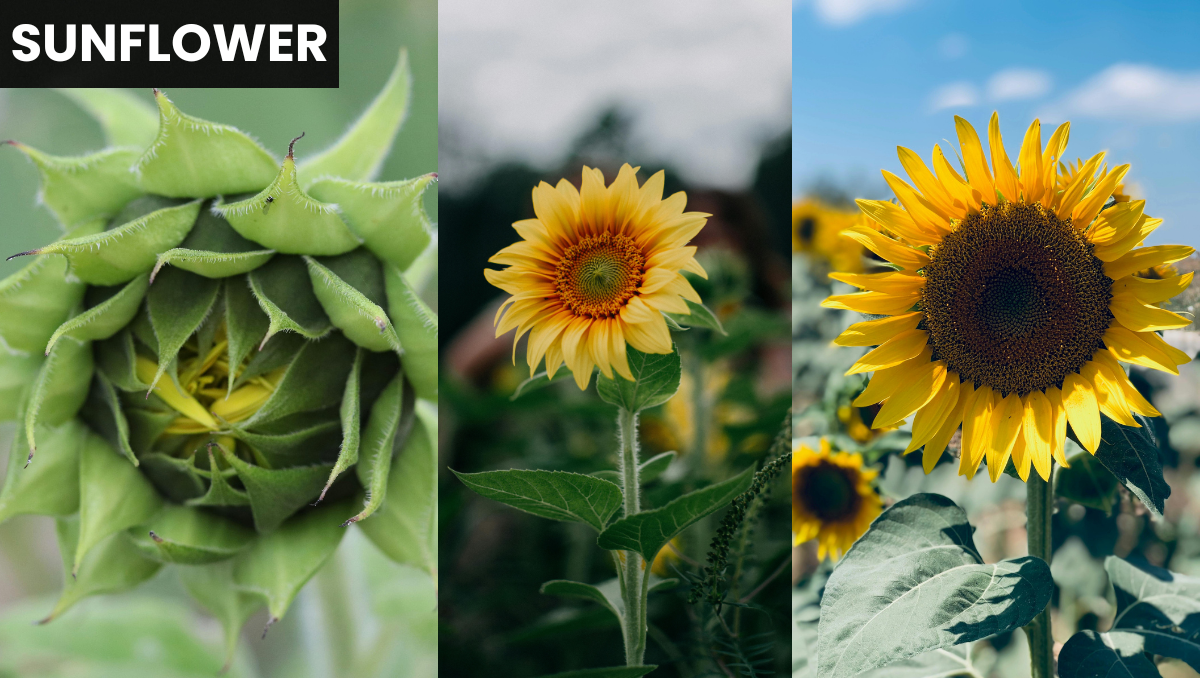
Sunflower plants are mainly cultivated in European and Asian countries. Sunflowers are one of the country’s favorite flowers. They are very famous for their yellow color, although in addition to yellow, they can also be grown in green, red, and white. Everyone wants to grow sunflowers in their homes for their beauty, but many people get frustrated due to many difficulties. With a little effort and attention, you can easily grow a sunflower plant at home and enjoy its colorful and attractive flowers.
We will give you a complete guide on how you can easily grow a sunflower plant in your home and enjoy its beauty.

Table of Contents
Key TakeAways
- Sunflower plants need six to eight hours of sunlight for optimal growth, so provide them with direct sunlight.
- The temperature of the place where you are planting the sunflower plant must be between 21 and 26 degrees Celsius.
- Sunflower plants thrive in well-drained, fertile soil with a pH of 6.5 to 7.5.
- Sow sunflower seeds one to two inches deep in the soil and space them six to 12 inches apart.
- Keep the soil well-drained, meaning keep the soil adequately moist but avoid overwatering.
- When the plant’s leaves are light, give them a moderate amount of nitrogen, but avoid giving them too much.
- It is essential to support tall stems to prevent sunflower seedlings from falling.
- Always protect your sunflower plants from birds and insects, they will damage them.
- Sunflower plants are a well-developed crop in 70 to 100 days with proper care.
How To Grow Sunflower Plants
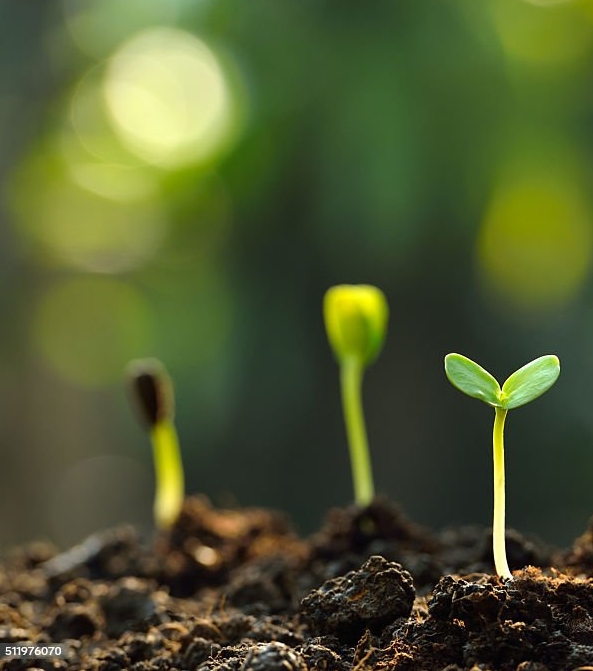
You can easily grow sunflowers indoors. To grow sunflowers, plant the seeds one to two inches deep in well-drained soil in the spring after the last frost, making sure they get six to eight hours of direct sunlight each day. Space the plants six to eight inches apart for short varieties and 30 inches apart for tall varieties. If you are growing sunflowers in pots, we recommend starting them in pots in March or early April. Fill a 3-inch pot or slightly larger with peat-free compost. Place one seed per pot in the compost, about a centimeter deep, and then cover with water.
Also Read: The Versatile Fern
Understanding Sunflower Basics Before Planting
There are many basic steps to grow sunflower plants indoors and outdoors. If you understand these basic steps easily, you can easily enjoy a good harvest at home. There are some basics that are helpful in growing the plants, which are as follows:
Types of Sunflowers (Choose the Right Variety)
Choosing the right type of sunflower will be extremely helpful in growing and improving the growth of your sunflower plant, whether indoors or outdoors, as different varieties grow to different heights and serve different purposes. Here are the main types that you should consider. Below are all the types.
Giant Sunflowers
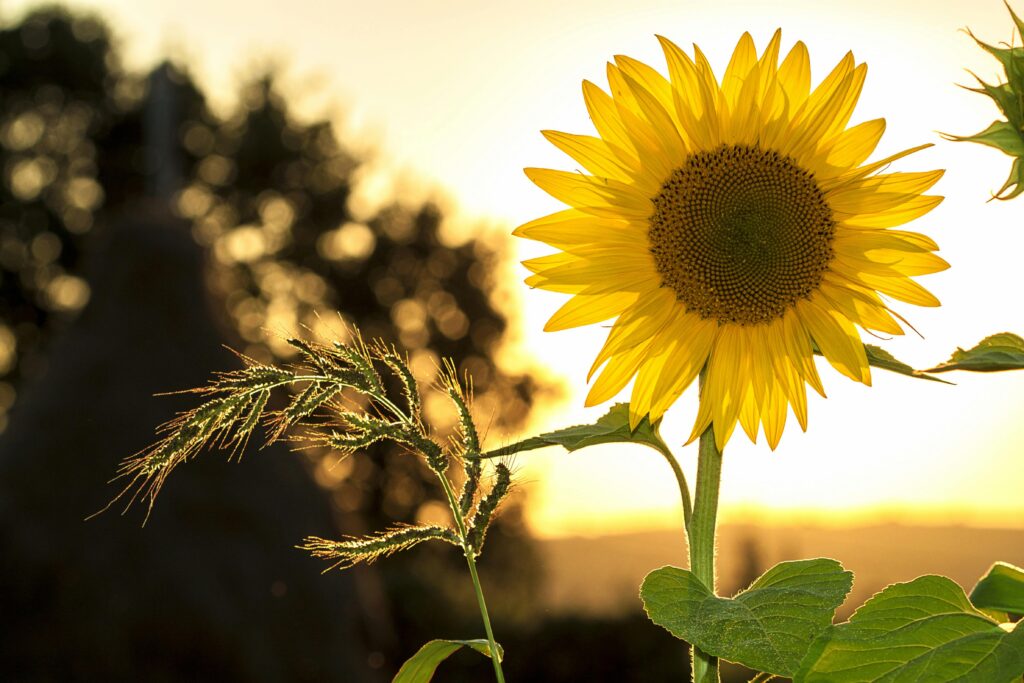
Giant Sunflowers This variety can grow to about 8 to 12 inches tall and can produce flower spikes. It is perfect for open areas in gardens where you want a dramatic look and this variety is very effective for growing outdoors in open gardens.
Dwarf Sunflowers

Dwarf sunflowers are a type of sunflower plant that grows from one to three feet tall and is ideal for containers, pots, and small gardens. They are easy to manage and are perfect for beginner gardeners to grow indoors.
Multi-branched Sunflower plants

Multi-branched plants are a type of sunflower. Instead of one large flower, they produce small fruits on each plant, making them perfect for continuous flowering and bouquets. This is a very attractive type of plant.
Pollen-Free Sunflowers

Pollen-free sunflowers are a type of sunflower that has been specially bred for indoor arrangements. These varieties do not leave behind pollen, keeping you clean and tidy, so they are considered a very useful variety to grow indoors.
Colored or Decorative Varieties

Colorful or ornamental varieties are considered a very good variety of sunflower plants because they come in shades of orange, bronze, or two-tone petals that add a unique beauty to your garden and are also very helpful in enhancing the beauty of your home.
Best Time to Plant Sunflowers
The best time to plant sunflowers is in the spring, usually April to May, once the danger of frost has passed and temperatures are at their lowest in May. For consistent play, you can plant them in two to three weeks until early summer.
How Long Do Sunflowers Take to Grow?
BBC Sunflowers generally take 80 to 120 days to grow from seed to maturity, about three to four months, although some fast-flowering varieties bloom in 55 to 70 days, and they usually sprout within seven to 14 days and reach full height in about three months.
Also Read: How to Plant a Peach Seed – Easy Step-by-Step Guide to Grow a Peach Tree
Step-by-Step Guide How To Grow the Sunflower Plants

There are many steps to grow a sunflower plant indoors or outdoors. If you follow all of them, you can enjoy a good and beautiful harvest and reap the benefits. Those steps are explained below.
Select High-Quality Seeds
While buying seeds, keep the following things in mind: never use damaged or hybrid ones and buy seeds from a reliable supplier, and also buy them by confirming the labeling and expiration date so that you do not face any problem later and always use high-quality seeds.
Prepare the Soil Properly
For the best growth of sunflower plants, make sure to always choose good light and fertile soil that is rich in nutrients as sunflower plants thrive in rich nutrient soil and loosen the soil to a depth of 10 to 12 inches to remove any weeds, stones or debris stuck to the roots. This helps the plant grow quite quickly and helps the plant fill in quickly.
Plant Seeds at the Correct Depth
For the best growth of sunflower plants, planting them correctly is very important and plays an important role. For strong plants, it is important to plant them at the appropriate depth. Plant the plants about one inch to two and a half centimeters deep in the prepared soil. Planting them too deep can prevent them from growing. Plant the seeds six to 12 inches apart, depending on the appropriate variety and to allow them enough space to withstand the elements.
Water Properly After Planting

To ensure full growth of sunflower plants, the right amount of water must be provided at the right time. Be especially careful about the amount of water.During these early stages of growth and development, the soil should be kept moist but not waterlogged. Water sunflowers once established. Provide occasional weekly watering, about one inch per week, deep near the base. Ensure a strong, deep root system and water container plants more frequently in hot weather. This will be sufficient for the plant.
Fertilize at the Right Time
Timely fertilization is very important for the plant. This means that never fertilize the plant immediately after planting because young plants are sensitive. These are not the ingredients that can harm them. Avoid fertilizing with too much nitrogen. Regular feeding during the growing season helps keep sunflowers strong, vibrant, and healthy. Make sure that by providing the right amount of fertilizer at the right time, your plants do not suffer any kind of damage.
Support Tall Plants with Stakes
Tall sunflower plants need extra protection to prevent them from bending or stretching, especially in windy conditions. Once your sunflowers are about three feet tall, tie a sturdy stake or stick to the soil near the base of the plant to keep it supported and the plant from leaning to one side. This is very beneficial for the plant.
Monitor Growth & Encourage Blooming
After planting the sunflower plant, monitor and observe it for its full development. To ensure proper growth and abundant flowering, it is very important to monitor the plants during the growing season and season to ensure flowering. A little attention and effort on your part will go a long way in keeping your plant safe from almost all kinds of diseases. Therefore, thoroughly inspect your plants daily or two to three times a week.
How to harvest Sunflower Plant
Sunflowers are harvested using specialized machinery designed to cut the stalk and separate the seed heads without damaging or scattering the seeds. The primary equipment used to harvest sunflowers on a large scale is a combine harvester equipped with a specialized sunflower header or platform. Sunflowers are typically harvested for seed in late summer to early fall, usually July or October. The best time to harvest is about 80 to 140 days after planting. The back of the flower head turns brown, the petals dry out, and the seeds are plump and black, often drooping downward.
Also Read: How To Grow Lotus Plants Indoors: Easy Tips For Stunning Indoor Water Gardens

Common Mistakes to Avoid
Many people face many difficulties and make many mistakes when growing sunflowers indoors and outdoors. Below are all the mistakes that you can avoid and enjoy a good harvest.
- Planting too early means planting seeds in cold or frost-affected soil, which can prevent germination. Wait until the soil warms up after the last frost. Never plant in the cold. This is a big mistake and can cause you a lot of damage. Always avoid it.
- Not providing enough sunlight is also a big mistake because sunflower plants need six to eight hours of direct sunlight for full growth, and due to insufficient light, they cannot grow and remain weak. Always avoid this mistake.
- Giving the plant too much water, or keeping the plant submerged in water, is also a big mistake. Always avoid this mistake. Too much water can cause root rot, while too little slows down growth. Keep the soil moist, but use well-drained, loose soil and avoid this mistake.
- Planting too densely means placing plants too close to each other and not giving proper spacing, which can cause competition for nutrients and sunlight, resulting in weak plants. People often fall prey to this mistake.
- Not providing support for tall varieties of sunflower plants is also a big mistake. Neglecting support can cause the sunflower plant to fall due to wind or rain. Use staking to quickly straighten long stems, this will benefit you greatly.
- Fertilizing plants excessively and prematurely is also a big mistake. Most people fall prey to this mistake. Excess nitrogen promotes leaf growth but reduces the size of the fruits. Use balanced fertilizer at the right stage and you will not face any problems.
If you avoid these mistakes, you give your sunflowers the best chance of growing tall, healthy, and full of vibrant flowers, and you can enjoy a good harvest.

Final Thoughts
Sunflowers represent more than just a vibrant and towering presence in the summer garden. They are a profound feat of natural engineering and resourcefulness and symbolic flexibility, and are known for their empty and tropical behavior. Despite their charming ephemerality, these plants symbolize hope, longevity, and unwavering faith. In addition to their brilliant yellow beauty, which acts as a beacon for pollinators like bees and butterflies, they also offer practical, nutritious seeds and oils for human consumption, making them a cornerstone of sustainable, multi-purpose gardening. They are among the hardy, low-maintenance, and fast-growing plants. You can easily grow them indoors or outdoors by simply meeting their basic needs.
How To Grow the Sunflower Plants at home easily?
To grow sunflower plants at home, plant seeds in well-drained soil, provide full sunlight (6–8 hours daily), water regularly, and ensure enough space for growth.
How long does it take to grow sunflower plants?
Sunflower plants usually take 70 to 100 days to grow fully, depending on the variety and growing conditions.
Can sunflower plants grow in pots?
Yes, sunflower plants can grow in pots. Choose a large container (at least 12–18 inches deep) and use nutrient-rich soil for best results.
How often should I water sunflower plants?
Water sunflower plants 2–3 times a week, keeping the soil moist but not soggy. Reduce watering once the plant matures.
What type of soil is best for sunflower plants?
Sunflower plants grow best in well-draining, fertile soil with a slightly acidic to neutral pH (6.0–7.5).