Houseplants redefine what a home can feel like. Managing light conditions, soil, humidity, and water transforms any indoor space, whether a compact apartment or a sprawling house, into a living, breathing sanctuary of healthy growth.
I’ve grown succulents right beside tropical philodendrons and slowly learned that every plant communicates through leaves, roots, and color. Understanding photosynthesis, drainage, temperature, and nutrients builds reliable instincts — not just guesswork — about plant health year-round.
Table of Contents
Light
Most beginners overlook how light shapes plant survival beyond growth. Bright indirect light suits foliage varieties well, while direct sunlight fuels flowering. Understanding native habitat helps position plants near windowsills or supplement with grow lights.
Dormancy cycles show light isn’t constant—winter shortens the photoperiod, triggering rest in many species. Stomata respond to intensity, affecting transpiration and metabolism. Rotating your planter pot corrects crooked growth habit and ensures balanced development.
Water / Watering
Overwatering silently destroys more houseplants than neglect ever does. Root rot begins in soggy soil long before wilted leaves appear. Always check moisture first—a finger an inch deep reveals far more than any schedule.
Flushing with warm water monthly clears calcium deposits and salt buildup. A saucer beneath catches excess runoff but should never hold pooled liquid—roots quietly reabsorb that trapped moisture, and the cycle invites root rot.
Soil

Potting soil quality determines plant success more than most realize. Well-draining soil mixed with compost and clay balances organic compounds against inorganic elements, providing roots with the right retention and aeration needed for sustained growth.
Repotting into fresh potting soil mix actively prevents both fungal disease and slowed growth. Adding calcium, magnesium, and micronutrients replenishes depleted nutrition. Always sterilize old containers using bleach and soap before reuse, protecting fragile seedlings.
Potting / Choosing a Container
Terra cotta and plastic pots always behave differently — one governs moisture retention and aeration, the other traps warmth. Choosing wisely between them determines whether your tropical varieties, cacti, or orchids genuinely flourish long-term indoors.
Drainage holes matter more than aesthetics. Pairing well-draining potting mix with the right container — sized just one pot size up — prevents fungi, mold, and pests while giving roots structured upright space to truly thrive.
Fertilizer / Feeding
Most gardeners underestimate how nutrients shape physiology—bloom intensity and growth consistency both depend on timely fertilizer use. During the growing season, compost and organic matter in your soil mix deliver bio-available fuel for perennials.
Spring triggers a shift in plant energy—organic-based fertilizer and plant spikes feed bulbs and vegetables steadily. Scaling back during the non-growing season keeps roots healthy, allowing summer bloomers to return year-after-year with remarkable vigor.
Humidity
Misting creates localized air moisture that helps transpire through leaf pores, reducing leaf curl risks. Tillandsia and air plants thrive when soaking replaces standard watering, especially in kitchen or bathroom spaces with natural humidity fluctuation.
Cold drafts near drafty windows consistently sabotage humidity balance, particularly harming prayer plants and Calathea significantly. A small fan promoting air movement beside pebble pots filled with water sustains localized ecosystems while deterring diseases effectively.
Grooming
Regular grooming keeps plants thriving by removing brown leaves, yellowing leaves, and shriveled growth that slowly drain energy. Wiping dust from well-formed leaves weekly improves air circulation while revealing hidden insect pests on older stems.
Droopy or mushy stems signal neglect — grooming teaches you to observe appearance changes early on. I treat mealybugs and scale insects on sight, before damage spreads and compromises otherwise vibrant growth across your indoor garden.
Pruning
Most growers underestimate how timely pruning redirects energy toward buds and well-formed leaves. Cutting back elongated stems on pothos reliably prevents spindly growth; snipping just above a node encourages compact, vibrant growth in any houseplant.
Rubber plants and Ficus elastica respond well to pruning during warm months, away from dormant states. Wiping cut ends with lukewarm water prevents milky sap hardening, keeping both the wound and surrounding well-anchored stems clean.
Repotting
Repotting demands more than just choosing a new terracotta pot — it’s a reset. Move one pot size larger, refreshing with perlite and potting soil to guarantee free draining conditions that prevent root rot and suffocation.
Drainage holes matter more than container aesthetics. I always rinse new terracotta planters with distilled water to flush salts first, then layer peat, vermiculite, and cocopeat for a lightweight, breathable mix that roots genuinely love.
Growing From Seed
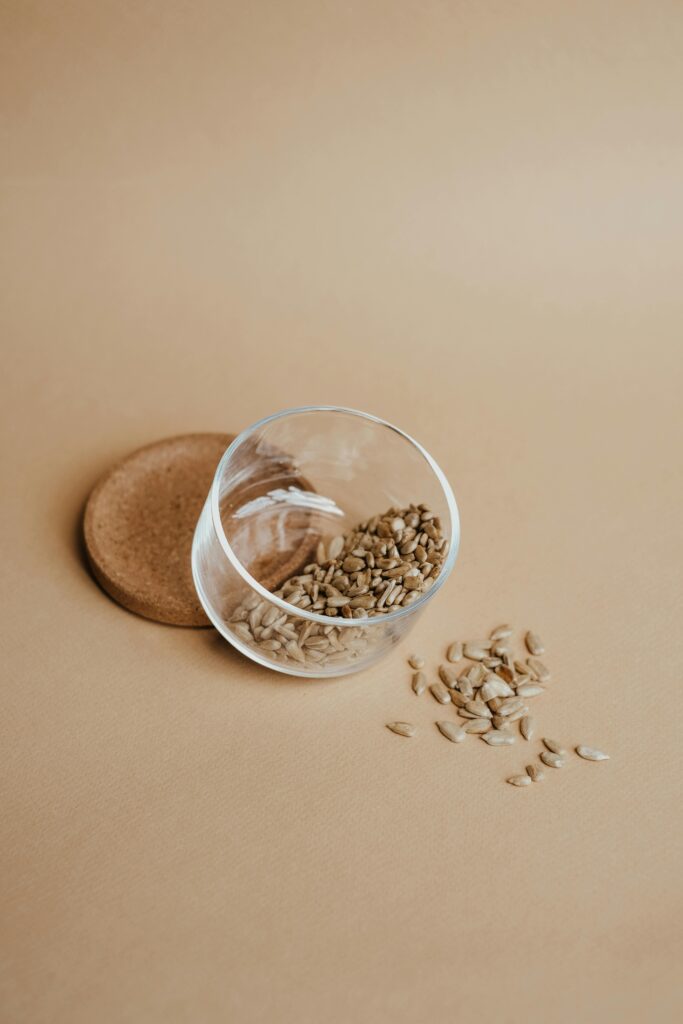
Seed germination is not passive. A seedling needs sterilized seed starting soil, not garden soil, to safely emerge. Humid conditions with steady warmth are the real triggers — not just a seed tossed into loose dirt.
Seed sowing in plastic flats reduces fungus gnats compared to open trays significantly. Seedling growth accelerates when you germinate seeds with consistent temperature and record keeping — logging every date a seed begins to crack open.
Choose Healthy Houseplants
Selecting healthy houseplants requires examining firm stems, lush foliage, and clean roots before buying. A first-time plant parent should skip finicky species and choose forgiving, easy-to-care-for varieties that naturally thrive with minimal care at home.
At the garden center, carefully inspect leaves for spider mites, yellow leaves, or sticky substances — clear early signs of infestation. A thriving, low-maintenance pick protects your indoor greenery and fills your space with genuine happiness.
Complement Your Decor
Houseplants radically transform home decor in ways furniture never could. Vibrant leaf hues of Chinese evergreen complement neutral walls, while Monstera’s bold green leaves elevate end tables into curated focal points of genuine lasting beauty.
Variegated arrowhead vine and purple tradescantia with lance-shaped foliage build atmosphere, introducing color and texture designers charge thousands replicating. Trailing peperomia on bookshelves or a dracaena bearing spiky, strappy foliage completes indoor decor vision effortlessly.
Air / Ventilation
Dry air quietly damages indoor plants before you notice it. Water vapor levels drop during winter months, causing leaf curling, yellowing, and even bud drop. Keeping the humidity range at 20-30% safeguards plant cells effectively.
Grouping plants together naturally boosts local evaporation, raising surrounding air moisture levels significantly. Place a humidity tray filled with pebbles or polished stones beneath pots — water evaporates steadily, mimicking tropical climates your plants truly crave.
Temperature
Plants native to tropical rainforests thrive between 60 and 85 Fahrenheit, or 18 to 21 Celsius. Sudden temperature changes stress roots long before any leaves show distress. Always choose draft-free spots to protect heat-loving genera.
Plants from southeast Asia slip into a dormant state when chilled below 65 Fahrenheit. Even minor drafts from cracked windows within just 24 hours can trigger dormancy. Consistently stable warm temperatures always prevent this entirely.
14 Easy Indoor Plants for Beginners
Monstera
The Swiss cheese plant or split-leaf philodendron develops heart-shaped leaves with vertical holes and slits as they mature. Install a moss pole for climbing support, give regular water, and a humid environment under medium light.
Spider Plant
Spider plant (Chlorophytum comosum) produces grass-like, cascading green foliage with arching stems and tiny star-shaped flowers. Baby plants resembling spiders readily root from cuttings to propagate in higher humidity under medium light or high light.
Pothos
Epipremnum pothos flaunts heart-shaped green and yellow leaves as quick growers. Take stem cuttings and get them rooted in plain water; direct sun can burn the foliage, so maintain low light to high light balance.
Philodendron
Philodendron surprises beginners with its diverse colors, sizes, forms, and leaf shapes. Vining cultivars effortlessly climb a trellis beside windows. Offer moderate water and high humidity — they tolerate low light or high light without complaint.
Rubber Plant
The rubber plant impresses with its bold oval leaves in deep green or rich burgundy. Keep evenly moist soil, maintain moderate humidity, and position in medium light to high light for steady, reliable indoor growth.
Chinese Evergreen
Aglaonema commutatum displays varied leaf patterns while staying true to its slow growing nature. Supply moderate water, sustain high humidity, and keep it in medium light — warmth above 80 degrees accelerates its richest coloring noticeably.
Prayer Plant
Prayer plants fold up each night like praying hands, making dramatic leaf shapes, vibrant hues, and decorative patterns compelling for any indoor grower. Sustain high humidity with regular water in low light or medium light.
Begonia
Begonia varieties, especially Begonia masoniana, produce lush foliage that captivates both seasoned growers and novice plant parents equally. Their spectacular leaf textures and easy adaptability make begonias a worthy addition to any indoor plant setup.
Nerve Plant
Fittonia albivenis, the nerve plant, rivals the polka dot plant with striking white, pink, and red leaf veining. Its creeping form needs moist high humidity — a terrarium under low light shields delicate leaves from burn.
Peperomia
Peperomia packs real personality through colorful leaves and a neat mounding form. Preferring medium humidity, it also adapts well to high humidity. Position in medium light to keep its compact, vibrant foliage at its sharpest.
Drop Tongue Plant
The drop tongue plant, known as Schismatoglottis wallichii, carries broad green shield leaves of an aroid growing up to 18 inches. A slow grower needing regular water, high humidity, and low light to medium light.
Arrowhead Vine
Syngonium podophyllum stands out through its beautiful arrow-shaped leaves ranging from fresh green and bold chartreuse to soft pink and white. Ensure high humidity, evenly moist soil, and place in low light or medium light.
Purple Tradescantia
Tradescantia, commonly called spiderwort, moves gracefully outdoors during warmer months, displaying its rich green, purple, and pink striped foliage. Indoors, it thrives under medium light or high light, making it a colorful, trailing statement plant.
Dracaena
Dracaena comes in striking green, burgundy, and red varieties that thrive well outdoors during warmer months when temperatures reach 80 degrees. Its bold architectural form transforms any indoor corner into an effortlessly dramatic, structured statement.
Conclusion
Growing house plants is far more than simply following a step-by-step routine daily. Whether you cultivate Epipremnum aureum under LED lights or tend bromeliads, every plant offers a life lesson worth embracing with quiet patience.
From managing overwatering to understanding phototaxis, every challenge sharpens your instincts. Even a seasoned black thumb can cultivate snake plants or pothos. Indoor gardening helps you grow, an ongoing, deeply personal practice worth fully embracing.
What Are the Easiest Plants to Keep Alive Inside?
The snake plant (Sansevieria) and ZZ plant thrive under benign neglect. Golden pothos and corn plant (Dracaena fragrans) survive harsh low-light interiors, making them the most trusted picks for any office or dim living space.
What Is a Good Starter Houseplant?
From my experience, beginner plant owners benefit most from low-maintenance, easy-to-grow varieties found at any plant shop. Vendors stock easy-care options with normal-sized growth, ideal for any budding houseplant enthusiast starting their first green collection.
How Many Houseplants Should I Start With?
Most green thumbs suggest five to six living things first — enough to grasp basics without overwhelm. Urban gardening beginners find it rewarding; avoiding a houseplant jungle while practicing simple steps builds lasting plant care confidence.