Marigold has always held a special place in my eyes, not only because of their vibrant yellow color, but also because of their flexible, resilient properties.They grow in spring and autumn, and in autumn they look even more beautiful and pleasing to the eye.Growing a MariGold plant in your garden is a very easy and straightforward process, and it will grow in about eight weeks and will fill your garden with beauty.The MariGold plant is a charming and eye-catching plant.And this plant is also great for your vegetable gardens because it also prevents pests from attacking.
In this article, I will tell you the complete method of growing Marigold plants, how you can grow it inside your home and enjoy its beautiful view.
Table of Contents
Why You Grow Marigold Plant
You might be wondering why the MariGold is such a popular plant among gardeners. It is so popular because it is so attractive and pleasing to the eye, and it is very easy to grow. It is great in your vegetable garden because it keeps pests away and it is known for its beauty and beautiful colors.
Ever since I have grown the MariGold plant in my garden, it has also reduced the number of pests in my garden. Sometimes I forget to water it or I am not able to take good care of it, but then this plant has been growing very well in my garden.
Also Read: Rose flower
Growing Marigolds in Containers
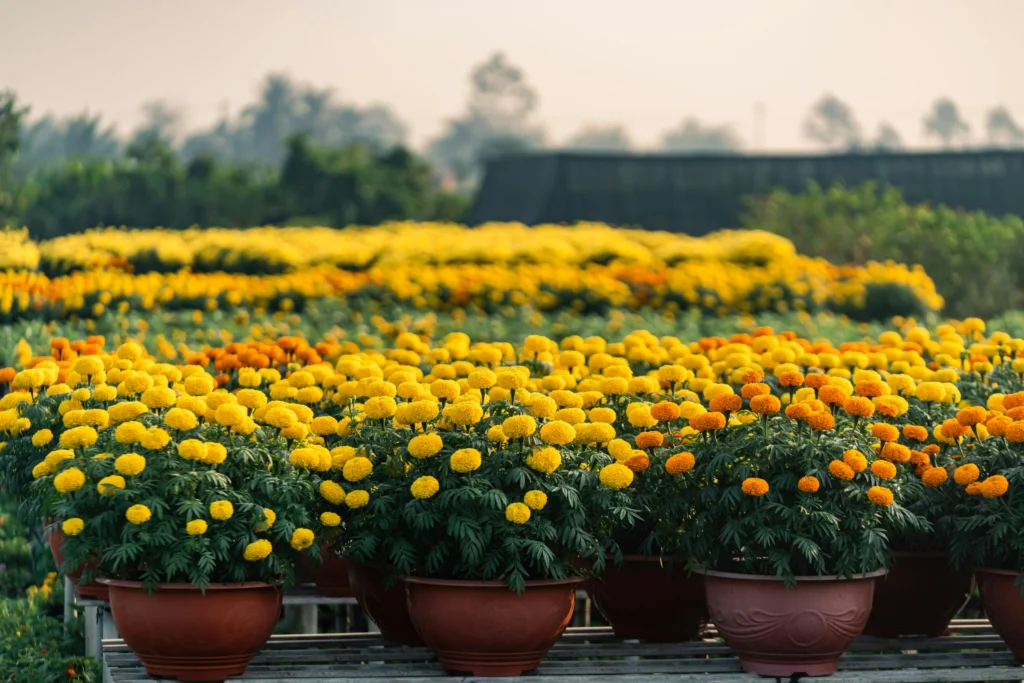
If you have limited space in your home or you want to plant flowers in your yard, you can grow it in a small pot and it grows very well in a pot too.
Below are some points that you can follow to grow your MariGold plant in your pot:
- Choose the Right Container: Use a 12-inch in diameter pot with good drainage holes so that water does not collect in the pot.
- Use Quality Potting Mix: Choose well-drained soil or you can mix a little sand into regular soil.
- Planting: You can put plant or sow seeds, and if you seed,cover them lightly in soil and sprinkle them with water.
- Watering: Potting soil usually dries out more quickly than outdoor soil, so keep check it. When the top layer of soil feels dry, lightly water it to moisten the soil.
- Sprouting: In warm weather, MariGold plants begin to sprout in about a week and flowers begin to bloom in about eight weeks.
- Fertilizing: In a pot, MariGold needs to be given a balanced amount of water and a little fertilizer every four to six weeks, which helps them grow.
- Placement: Always place your MariGold plant in a bright window that gets about six hours of sunlight a day.
The MariGold plant not only beautifies your home but also provides the flexibility to move your pots around.
Types of Marigolds
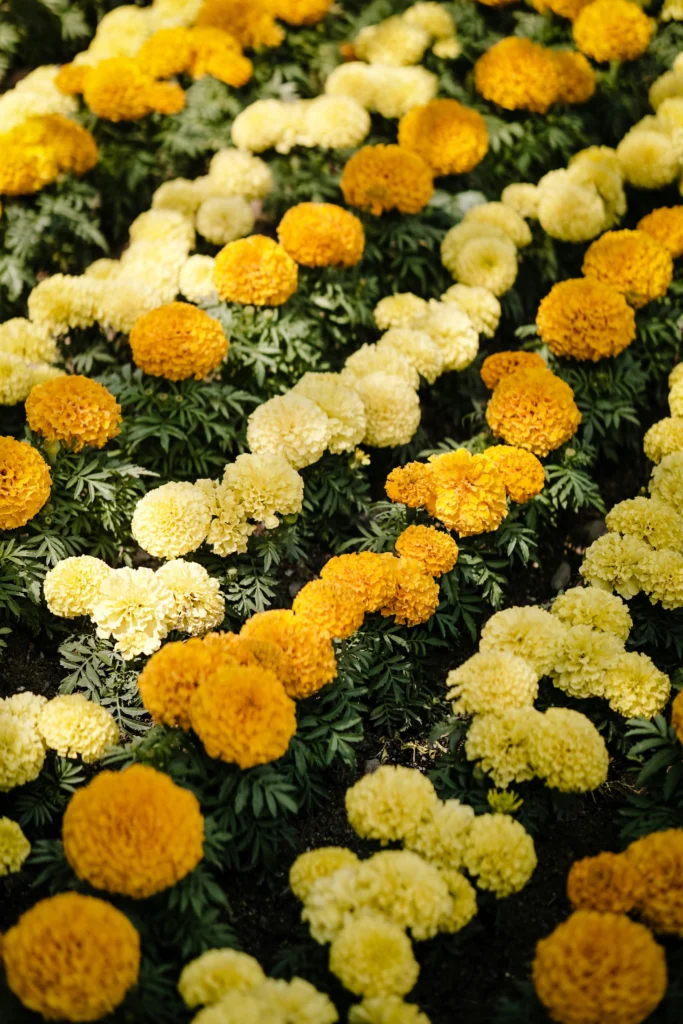
Now that we have decided to grow the MariGold plant at home, let’s talk about which varieties are best for growing at home. Each variety has its own characteristics. We will discuss some varieties here:
Dwarf Marigolds
This is a special type of marigold that is found in complex varieties that are best suited for container gardens and indoor pots. They require minimal space and are continuously blooming with proper care. They require very little maintenance to grow well.
African Marigolds (Tagetes erecta)
This variety of MariGold always grows in groups and its plants are about three feet tall and its flowers are large and yellow in color and beautiful and it likes dry temperatures and needs full sun to thrive.
French Marigolds (Tagetes patula)
French MariGold is more complex than the African variety. This variety usually has flowers that are 12 inches long and is bushy. Its flowers are small and range in color from yellow to deep red. French Marie Gold is very popular for its long blooms that can last well into the Autumn season.
Signet Marigolds (Tagetes tenuifolia)
Signet marigolds are slightly different in appearance and have attractive flowers that have a lemony scent and a mild lemon flavor. These marigolds are often used in salads because of their small, edible petals, which add spicy and citrus flavor.
When to Plant Marigolds
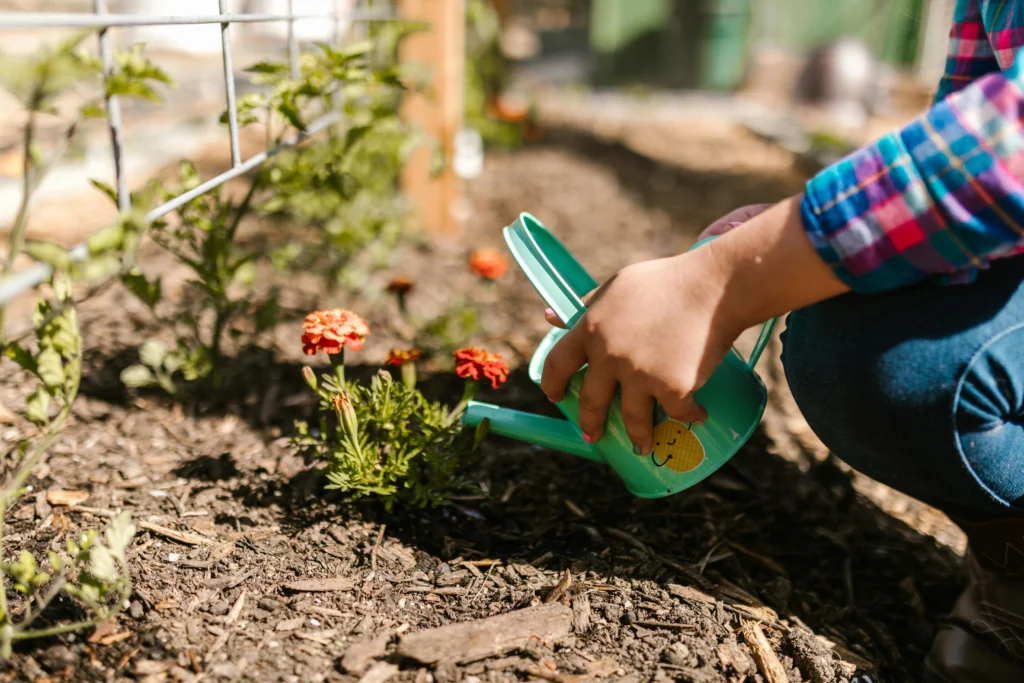
Good timing is everything when growing MariGold from seed:
Spring Planting
Marigold plants mostly bloom in late spring and should be planted in late spring. These flowers bloom in summer, so you can plant them in late winter, or if you live in a very warm area, you can plant them in early March, so you can enjoy the flowers of these plants in summer.You can start planting and sowing seeds of marigold in your home about four to six weeks before the frosts set in. This gives your plants a head start and allows you to enjoy their flowers early in the summer season.
Summer and Fall Planting
Planting MariGold seedlings in late summer and early autumn is also a great option and it also grows very well at this time, depending on your climate, but it depends a lot on your temperature and climate because at this time the soil is warm and the temperature is cool, which is ideal for growing MariGold and at this time the MariGold plant grows very well.
Where to Plant Marigolds
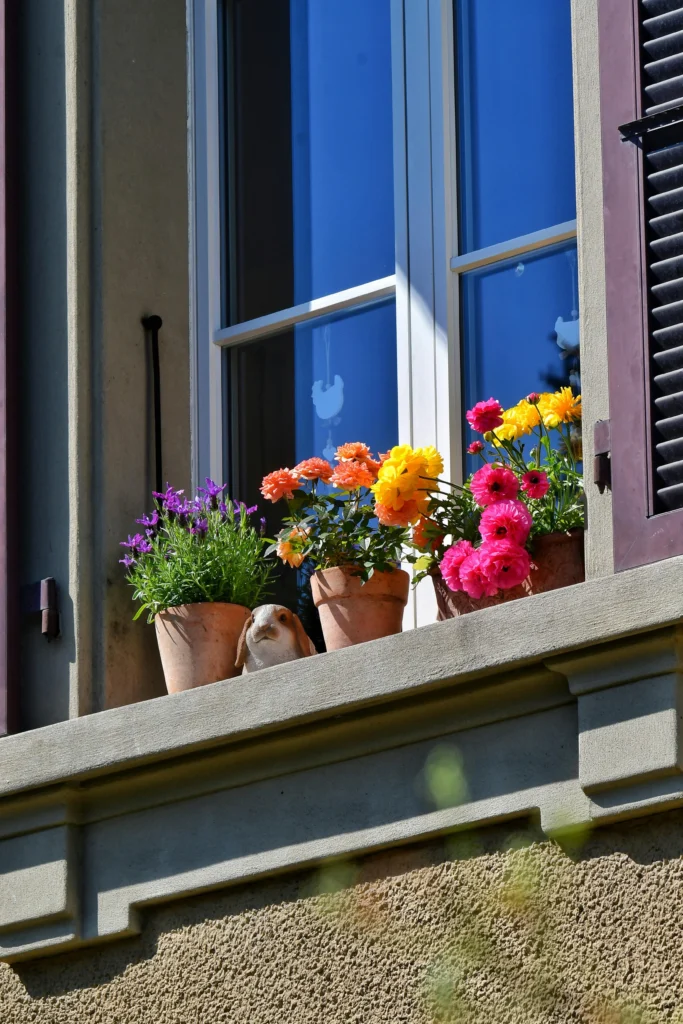
Choosing the right location for your MariGold plant also helps the plant grow and thrive. These flowers love the sun, so they should get about six to seven hours of sunlight per day.MariGold plants can tolerate shade but cannot tolerate direct, full sunlight.Good soil is also essential for the growth of MariGold plants because they grow best in good soil. If your garden has heavy or sandy soil, amend it by adding a little fertilizer because MariGold plants do not grow in heavy soil.
We mostly plant MariGold along the sides of our gardens. Here are some ideas on where you can plant them:
- Interplanting: The Marigold plant is often planted among your vegetables or plants and is especially suited to small spaces or raised pots.
- Rows or Clusters: MariGold plants are also planted on the sides of the garden, which prevents insects from coming around the vegetables or flowers planted in the garden because the MariGold plant prevents insects from getting close.
- Rotational Planting: The MariGold plant is an annual plant, so you can rotate them around your garden each year, focusing on different areas where pests may be a problem. This not only helps control pests but also adds variety to your garden design.
Step-by-Step Guide: How To Grow a Marigold Successfully

Select High-Quality Seeds or Seedlings
Choosing the right seed for growing a MariGold plant is very important because a healthy and correct seed helps the plant grow healthy and well.Avoid broken seeds and you can also get seeds from an online supplier or nursery. Make sure the seeds are fresh because fresh seeds produce good plants and the best growth.
Prepare Well-Draining Soil
Use soft soil to grow the MariGold plant. Avoid hard soil because the MariGold plant dislikes hard soil and does not grow in it.If the soil is hard, soften it and then sow the seeds of the Mari Gold plant in it. Soft soil helps the plant grow quickly and healthily.
Also Read: How To Grow Cashew Plants at Home – Easy Step-by-Step Guide for Fast Growth & Big Harvest
Plant Seeds at the Correct Depth
Many people make the mistake of planting seeds in the soil. They either plant the seeds too low or too high, which can make it difficult for their plants to grow. Plant the seeds about 0.5 cm to 1 cm below the soil and sprinkle a little water on them, which will help your basil seeds grow and thrive. Avoid planting the seeds either too low or too high.
Water Properly After Planting
Many people also make mistakes in watering. Let me tell you how to water the plant in the best way. When you have sown the seeds and the top one to two inches of soil feels dry, moisten it by giving it a little water. Avoid overwatering because the Mari Gold plant dislikes too much water.
Fertilizing for Continuous Blooms
Feeding the gold plant, i.e. adding fertilizer, is an important task that helps your MariGold plant grow quickly and well. You should add it to the water every four to five weeks by mixing good organic fertilizer, which will help your Mari Gold plant grow very quickly and grow well and produce more flowers. Avoid adding too much fertilizer because it can cause your plant to rot.
Marigolds in Pots vs Balcony (Quick Comparison)
| Factor | Indoor Pots | Balcony |
|---|---|---|
| Space | Small indoor area | Open space |
| Sunlight | Bright light (near window) | Full direct sunlight |
| Watering | Less frequent | More frequent |
| Growth | Slow | Fast |
| Flowering | Moderate | More flowers |
| Maintenance | Easy | Medium |
| Best For | Limited space | Best results |

Common Mistakes to Avoid
Many people make many mistakes when growing a Marigold plant at home. To avoid these mistakes, below are the mistakes that most people make. If you avoid these mistakes in a good way, you can easily and successfully grow a beautiful Marigold plant. Those mistakes are as follows:
- Planting your MariGold plant in a shady spot or near a building where it cannot get full sunlight. For MariGold plants to thrive, they need six to eight hours of direct sunlight per day. If you are planting a plant in a historic location, this is your biggest mistake.
- Overwatering the plant is the most common problem. It often damages the roots and causes many diseases. Water only when the top layer of soil is dry, then water again. Otherwise, do not water.
- Using too much heavy and non-porous soil is also a very important mistake. Most people fall victim to this mistake and then later they have to suffer losses. Always use light, fertile soil without stones to grow plants at home.
- Providing too much fertilizer is also harmful to the plant, and especially excessive use of nitrogen increases the rate of flowering throughout the plant and inhibits growth. Always use a balanced amount of fertilizer and avoid providing too much food. These are big mistakes. Always avoid this mistake.
- Do not remove dead flowers from the tree, as this reduces the plant’s nutrition. To prevent continuous plant problems, regularly pick and remove old and withered flowers. This will help greatly in increasing the vigor of your plant.
- Planting too many plants in a clump or in a distorted shape can also hinder plant growth because it prevents the plants from absorbing nutrients properly and it reduces air flow, which can lead to various diseases. Always avoid this mistake.
If you want to grow your plants by completely avoiding the mistakes mentioned above, it will give your plants a lot of strength and can save you from a lot of damage and get you out of future problems.
Also Read: How To Plants Tulips – Easy Step-by-Step Guide to Grow Beautiful Tulip Flowers at Home
Common Problems & Solutions
Many people have a Marigold plant at home or anywhere outside the house, but then they have to face a lot of problems and many people get disappointed seeing these problems. Below you have been given the solutions to all the problems. If you plant the plant while avoiding them, it will help you a lot.
- Yellowing of plant leaves is a common problem that most people face. It is caused by overwatering, poor drainage, and lack of nutrients. To make this apple tree look its best, let the soil dry out completely before watering it again. Make sure your pot has drainage holes and always feed it in a balanced amount and on time. If there is a lack of nutrients,
- Plants not producing flowers is a common problem and most people get disappointed when they see it. These plants produce lots of leaves but do not bloom. To solve this problem, provide them with six to eight hours of sunlight daily and avoid fertilizers with too much nitrogen. Remove any dead or wilted leaves immediately and allow new flowers to sprout.
- Root rot and plant rot are also common problems that most people face. They occur due to too much soil moisture. They also create a bad smell around the soil. To improve it immediately, reduce watering, give water in the right amount, and ensure good drainage. Remove the damaged plants immediately from the plants. This is the solution that will improve it.
- Insect attacks on plants are also a common problem that most people face. Many people get frustrated because of this, but there is a solution to this too. Spray the plants on time and choose natural ingredients, pesticides and mild soaps to prevent this disease.
How Long Do Marigolds Take to Bloom
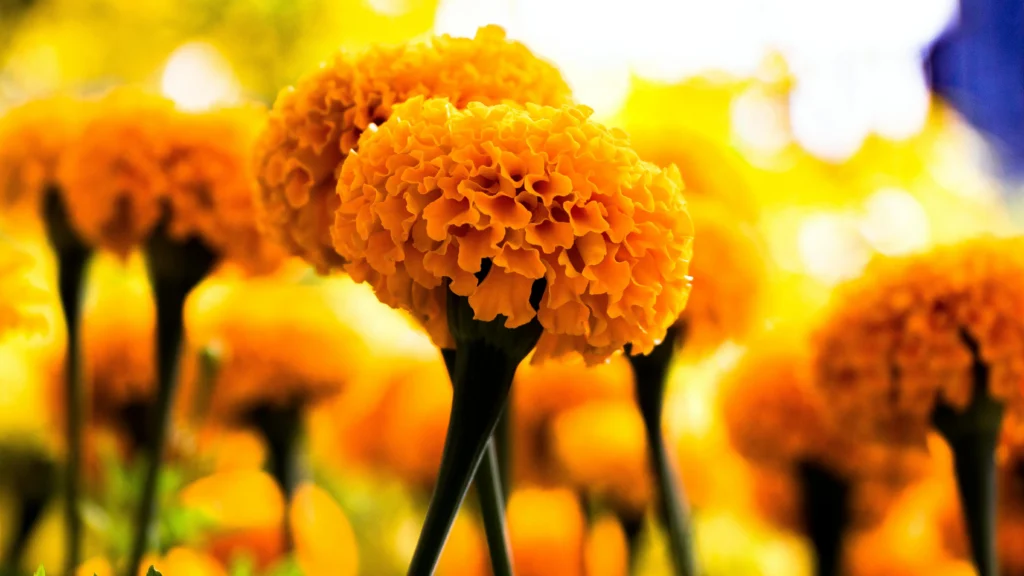
The MariGold plant is a very popular and long-lasting plant that keeps your yard looking beautiful from late spring until the first frost. It is adaptable to a variety of growing conditions and can bloom continuously for eight to 10 weeks or more.Francie Marie Gold is very popular for its large and beautiful flowers which often produce flowers well into the fall.
In addition to deadheading your MariGold plant, watering it regularly and occasionally feeding it will maintain the best fruit. With proper care, MariGolds will continue to provide a beautiful display for months, making them a wonderful investment for any garden.
Final Thoughts
Growing MariGold from seed is one of the easiest and most rewarding gardening endeavors you can undertake, whether you are an experienced gardener or a complete beginner. These flowers add color, beauty and even some pest control to your garden. With many varieties to choose from and seven to choose from for their straightforward care requirements, I believe MariGold are a must for any garden, so why not give MariGold a try this season, whether you plant them in a container or as companion plants. I am sure you will find them a delightful addition to your garden and they will look very attractive to you.
How long does it take for marigold seeds to grow?
Marigold seeds usually germinate within 5–14 days. Flowering starts about 8–10 weeks after sowing.
Can marigolds grow indoors?
Yes, marigolds grow well indoors if they get 6+ hours of sunlight or use a grow light.
How often should I water marigold plants?
Water once or twice a week, letting the soil dry slightly between watering. Overwatering can cause root rot.
What soil is best for marigold plants?
Well-draining loamy soil with a neutral pH (6–7) is ideal. Adding compost helps improve growth and flowering.
How do I make marigolds bloom more?
Deadhead spent flowers regularly, provide full sunlight, and fertilize monthly with a balanced fertilizer.