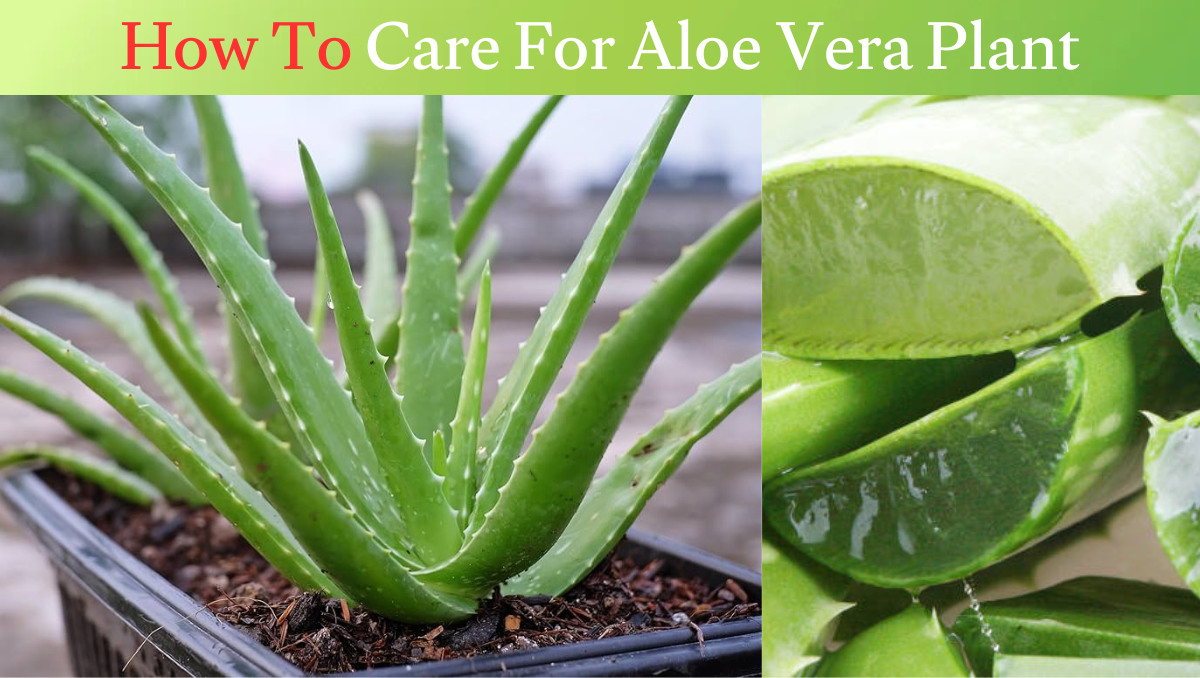
Taking care of an aloe vera plant seems easy, but it’s not. Many people give up when its leaves become soft and discolored. And yet, aloe vera is labeled as the least-maintenance plant, meaning that with a little effort, you can get a lot of benefit from aloe vera at home.Yet, due to lack of care, meaning lack of light, water and everything else, it gets affected very quickly and loses its shape.If you want to grow an aloe vera plant at home and get aloe vera, it is very important to know its basic requirements and the complete method of harvesting it.This guide will show you how to grow and care for aloe vera completely, so you can have aloe vera for a long time with little effort.And will explain the easy steps for you.
Table of Contents
How To Care For Aloe Vera Plant Properly
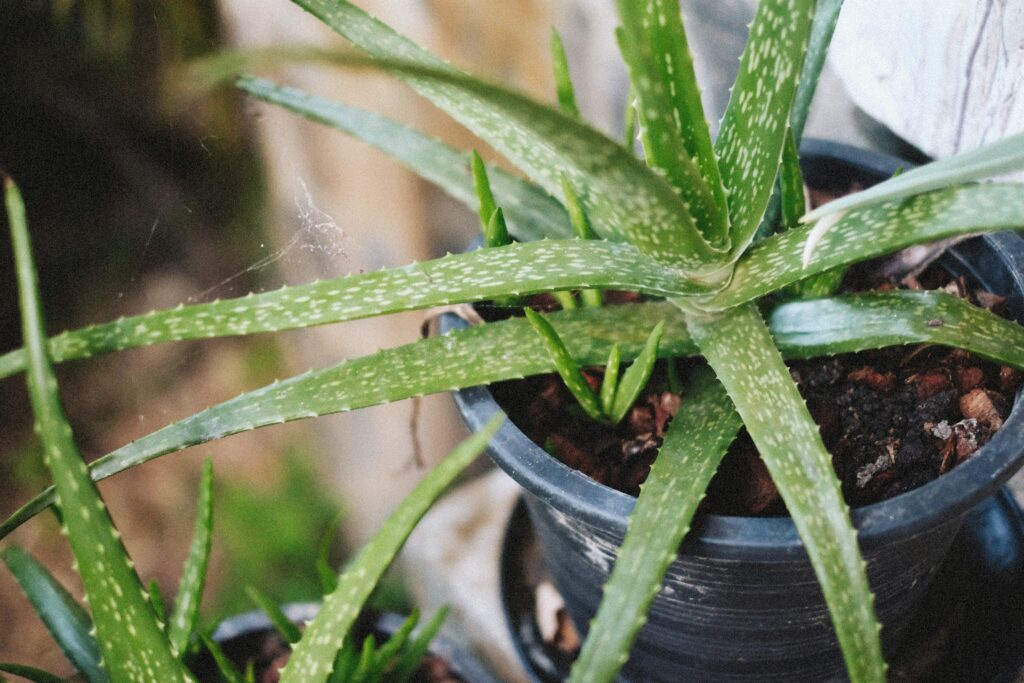
Complete care of an aloe vera plant means providing it with proper sunlight, temperature, water, and balanced fertilizer, which is why the aloe vera plant thrives.And when watering, prioritize letting the soil dry out first and use well-drained, perforated pots that minimize water stagnation.The aloe vera plant does not like cold weather and humid places and it cannot bloom much in this season, so it is best to keep it in a temperate climate.Minimal but consistent care is essential. The aloe vera plant provides you with good aloe vera with little care. This little care includes proper placement, temperature, and occasional feeding.Aloe vera plants can thrive both indoors and outdoors.With just a little effort and care from you.
Also Read: Cherry
Key Takeaways Of How To Care For Aloe Vera Plant
There are many tips for growing a aloe vera plant at home, some of which are as follows:
- Aloe vera is very easy to care for once its basic needs are met.
- Bright sunlight helps aloe vera grow and bloom faster.
- Water your Aloe Vera only when you know the top layer of soil has completely dried out.
- Use containers with good drainage and drainage holes. This will help reduce the time it takes for aloe vera to grow.
- The biggest mistake is to water an aloe vera plant in too much quantity.
- Aloe vera prefers very low humidity and high temperatures for optimal growth.
- With a little effort and attention from you, aloe vera will live for years.
Understanding Aloe Vera Plant Basics
The things needed to grow aloe vera are as follows:
What Is Aloe Vera?
Aloe vera is a succulent plant that stores water in its stems and leaves.It is famous for its fleshy and thick leaves that store water.It is used in many skin medications and various cosmetics products.Many people use aloe vera to apply to their mouths. It keeps your mouth fresh and moisturized.It is grown on a large scale in Pakistan for ornamental use.The gel found inside it, in particular, is used on a very large scale in Pakistan.Aloe vera is naturally adapted to dry climates, which is why it is grown in containers with good temperatures and good drainage, and in good, light soil.Due to its attractive appearance and hardy nature, aloe vera is popular for growing both indoors and outdoors.
Aloe Vera Growth Cycle
the Aloe Vera is naturally slow growing and its growth is very slow and late, especially when grown indoors.It emphasizes the development of strong roots first.Then as it grows, meaning it makes its own full place in the soil, it then produces thick leaves.Over time, aloe vera produces small offsets that can be lifted and replanted, and aloe vera slows its growth during the cold months.With proper care, you can enjoy the blessings of aloe vera in your home for a long time.
Also Read: How to Keep Pests Off Tomato Plants: 15 Proven Tricks Gardeners Swear By
Step-by-Step Guide to Caring for Aloe Vera Plant
There are a few ways to grow aloe vera plants at home. If you know those methods, you can grow aloe vera at home well. Those methods are as follows:
Provide the Right Light
Aloe vera grows, blooms, and thrives in direct sunlight.Ideally, place it in a west or south-facing window where it gets direct sunlight daily and its growth is not hindered.Low light helps the plant’s leaves expand, but it weakens the plant’s leaves.While too much sunlight can directly burn the leaves of an aloe vera plant, give it adequate sunlight so that it does not suffer any harm.For indoor aloe vera, meaning aloe vera grown at home, you can also use artificial light to grow it so that it does not affect the health of the aloe vera plant.
Best Light Setup for Indoor Aloe Vera
Sunlight plays an important role in the growth of aloe vera. During the growth of aloe vera plant, you should provide it with six to eight hours of direct sunlight every day. To provide sunlight, ideally place it inside a western window where it gets six to eight hours of direct sunlight a day and its growth is not hindered. But if you do not have sunlight available, you can also use LED light for the growth of the plant. You should place the LED light at a distance of six to eight inches from the plant where the light falls directly on it and it can get a standard temperature that helps it grow and bloom.And rotate the aloe vera plant container about once or twice a week so that all sides receive equal light.
Water Aloe Vera the Right Way
The aloe vera plant is a succulent that stores water in its stem and leaves.That is why it needs less water. Give it adequate water. Too much water is dangerous for it. Water it once every week or two. Clean the soil thoroughly while watering it,Just moisten the soil well and do not let water stand in the container. Use containers with good drainage and holes, as standing water all the time can damage the plant’s roots and cause the pots to rot quickly.Just follow a proper and good watering routine and you can achieve a healthy and strong Aloe Vera for a long time.
Use the Right Soil and Pot
To plant your aloe vera, always use a well-draining, open pot with holes in it so that its roots can grow freely. Never use a tight pot. A tight pot is always harmful to the plant.And always use soft, light, and good soil. To prevent root rot, always use open, well-drained containers in which the plants can grow freely.The container in which you are planting the aloe vera should be slightly larger than your plant, but not too large. This is also harmful because aloe vera prefers well-drained soil. If you follow all these things, you can get good and healthy aloe vera for a long time.
Maintain Proper Temperature and Humidity
Aloe vera ideally prefers warm temperatures and grows faster in warmer temperatures. Temperature range for aloe vera to grow is s 65–80°F (18–27°C), And it cannot tolerate cold weather. Always avoid keeping it near air conditioners and cold air.Especially in winter, which slows down its growth due to low temperatures, so give it moderate humidity in winter and keep it in a temperate climate, protecting it from excessive frost.If it ever gets foggy in winter, place it with other plants but avoid giving it moisture at all.Because too much moisture can bring fungal disease to the plant.
Fertilizing Aloe Vera Plant
The aloe vera plant requires minimal fertilizer to thrive, but it does need it.It is essential to thin the plant once or twice in the spring or summer and provide fertilizer, which will stimulate its growth.Be sure to use cactus or succulent fertilizer in particular and avoid fertilizing in the winter.Because the growth of the aloe vera plant, especially in winter, naturally slows down.Over-fertilizing causes the soil to accumulate more soft and rotted leaves, which prevents it from fully absorbing nutrients, thus slowing down plant growth.With light nutrition and occasional feeding, and without stressing the aloe vera plant, it can be enjoyed for a long time with a little attention.
Repotting Aloe Vera Plant
Reporting of a aloe vera plant begins when the aloe vera plant grows out of its container and produces offsets.Then choose a pot that is slightly larger than your current one.Which has excellent drainage holes and a complete arrangement for water flow.Then fill the container with light, good quality potting soil and then gently press the plant, including the roots, into the soil without damaging it. After pressing it into the soil, wait three to five days. Avoid watering it completely for three to five days because watering it during these first few days can have a negative effect on the plant’s roots.And after two to three years it becomes re-plantable and the plant always remains healthy and strong and has good growth potential.
Also Read: Can Aloe Vera Plants Grow Indoors In 2026 – Easy Tips for Healthy Indoor Aloe
Common Problems With Aloe Vera Plant and Solutions
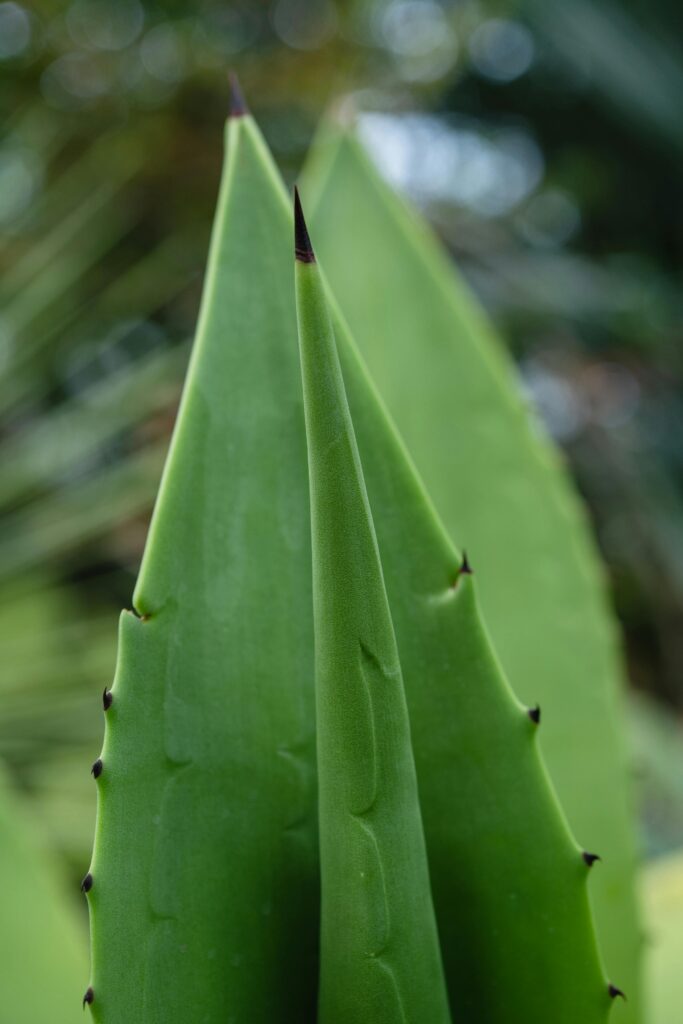
Many people find it very difficult to grow aloe vera at home due to common mistakes. The common mistakes that people make are Given Below.
Aloe Leaves Turning Brown
Softening or discoloring of the leaves of a aloe vera plant can often be caused by exposure to sunlight, lack of water, and temperature fluctuations.All of these things indicate stress on the aloe vera plant.Overwatering an aloe vera plant can also cause its roots to rot, so avoid overwatering.All of these things cause the leaves to become soft and change color.Too much sunlight can also burn the aloe vera plant, so avoid too much sunlight.The aloe vera plant cannot tolerate cold weather. Sudden changes in weather can also change the color of the plant.If your plant also falls victim to this disease, immediately adjust its water deficit and start taking full care of it, then your plant can completely return to its original state.Move the plant to direct sunlight immediately.And immediately remove severely affected leaves from the plant, this will prevent any problems in the growth of new leaves.All these things give the plant a healthy growth and it grows and blooms rapidly.
Soft or Mushy Aloe Leaves
Soft and flaky leaves are a direct sign of overwatering of the aloe vera plant.When the plant sits in waterlogged soil, it is unable to fully absorb nutrients and loses its vitality.So that’s why plants change their color.This problem often occurs in pots without drainage holes or holes in which water stagnates and does not dry out.To fix this, immediately remove it from the pot and later use a container with good drainage holes and avoid watering at all.Provide water only when you know the soil is completely dry.So that the health and strength of the plant can be restored.
Aloe Vera Not Growing
If your aloe vera plant is not growing, it is usually due to lack of sunlight, too much or too little water, not using pots with good drainage, and a lack of nutrients. This is why your plant’s growth stops.Your plant needs direct sunlight for its continued growth. It can survive in low sunlight, but it slows down its growth. Therefore, provide it with the appropriate temperature and sunlight so that it does not stop its growth and always give it the right amount of water because too much water can damage its roots and too much water can completely stop the growth of the plant.For the best growth of the plant, make sure to immediately move it to a place with the right temperature and give it adequate water and take full care of the plant. This will help your plant grow optimally. Use pots with good drainage and holes and provide the plant with diluted fertilizer once or twice a year. Then the aloe vera will slowly start to grow optimally.
Aloe Leaves Curling or Drooping
Curling or drying of aloe vera leaves usually indicates a lack of water or light. Waterlogging causes them to get more water. Excessive water can cause the leaves to curl because the aloe vera plant stores moisture, which makes the leaves heavy and curl. Too much sunlight can also curl the leaves. To fix this, first check the moisture inside the plant. If the soil is too wet, stop watering immediately. Do not water until the soil is completely dry. Make sure that the plant gets direct sunlight for 8 to 10 hours a day. Always use pots with good drainage and holes that allow water to flow. These basic things will help your plant maintain its growth and will help you straighten and strengthen the leaves.
Common Mistakes to Avoid
Here are some mistakes you should avoid while growing plants:
- Giving the plant too much water is also a big mistake.
- Using pots without holes or drainage holes is also a big mistake. Many people often make this mistake.
- Sowing the plant in heavy and poor soil is also a big mistake.
- Keeping the plant in low light and in a dark place is also a mistake.
- Exposing the plant to too much sunlight, especially in the summer sun, is also a big mistake as it burns the plant’s leaves.
- Keeping plant pots in cold weather and in rooms with air conditioning is also a big mistake.
- Applying fertilizer too quickly and too much can also be harmful to the plant. Always avoid this. This is a big mistake. Most people fall victim to this mistake.
- Re-shuffling the plant into a very large container is also a big mistake.
- Ignoring problems that arise in the beginning of a plant can lead to significant problems and damage to your plant. This is also a big mistake.
- It is also a big mistake to water the plant again immediately after re-shuffling.
Also Read: How to Grow a Mint Plant Indoors In 2026 – Easy Tips for Lush, Fresh Mint Year-Round!
Indoor vs Outdoor
| 🌞 Condition | 🏠 Indoor Aloe | 🌴 Outdoor Aloe |
|---|---|---|
| 💡 Light Type | Bright indirect light | Direct sunlight |
| ⏰ Daily Light Needed | 6+ hours | 6–8 hours |
| 📍 Best Placement | 2–3 feet from south/west windows | Open outdoor space with full sun |
| 🪟 Safe Window Option | East window (foolproof) | Not needed |
| 🛑 Direct Sun Exposure | ❌ Avoid strong afternoon sun | ✅ Required (after acclimation) |
| 🌡️ Temperature Impact | Glass can cause 110°F+ heat burn | Safe if above 50°F (10°C) |
| 🔥 Risk | Leaf burn, red tips, translucent spots | Sunburn if not acclimated |
| 🌱 Healthy Signs | Plump, green leaves | Compact growth, strong color |
| ⚠️ Common Mistake | Moving directly into harsh sun | Skipping gradual sunlight exposure |
| 🔄 Adjustment Method | Use sheer curtains to diffuse light | Start with 1 hour sun, increase daily |
| 🚨 Stress Signal | Stretching (etiolation) | Instant burn if moved too fast |
Final Thoughts
Growing an aloe vera plant at home is quite possible and easy, but only if you understand its basic needs well.And aloe vera plant care is quite easy, but it still requires a little care, such as always using good and light soil, using pots with good drainage and holes, and providing water in the right amount in a proper manner so that it does not have any adverse effect on the plant.Most problems are caused by too little water, too much water, and not providing regular or adequate sunlight.Therefore, focus on a more balanced diet rather than maintenance.If kept with consistency and proper care, the aloe vera plant is one of the fastest growing and most reliable plants that you can plant anywhere, indoors or outdoors.
How do you care for an indoor aloe vera plant?
How do you care for an indoor aloe vera plant?
Place in bright, indirect sunlight or artificial light. A western or southern window is ideal. Aloe that are kept in low light often grows leggy.
Aloe vera do best in temperatures between 55 and 80°F (13 and 27°C).
Water aloe vera plants deeply, but infrequently. To discou
How do I keep my aloe plant alive?
The biggest mistake most people make when caring for Aloe Vera is overwatering. Aloes prefer dry soil conditions, and should be watered sparingly, particularly in winter when sunlight becomes scarcer. Watering about once a week should be sufficient in warmer months, and about once every two weeks in winter.
Does aloe vera need direct sunlight?
Light is where many succulent gardeners fall short of the needs of their plants. It is critical that you place your aloe in a window where it will receive a minimum of six hours of sunlight per day. Without extended, direct light, your succulent will begin to stretch and lose its attractive, compact form.
Can I cut the brown tips off my aloe plant?
What should I do with the cut leaves on my aloe plant? If you prefer the look of the leaf being gone, you can totally just remove it! It won’t grow back, so depending upon where the leaf is you can cut it or leave it. Whatever you prefer aesthetically! You can just snip off the brown tips, they will be fine!
What are common aloe vera problems?
Your Aloe Vera is getting too much water.
This is probably the most common problem. Aloe vera has plump, fleshy leaves full of gel, and strong, thick roots that store water. Because of this, they’re very susceptible to root rot, especially when grown indoors.