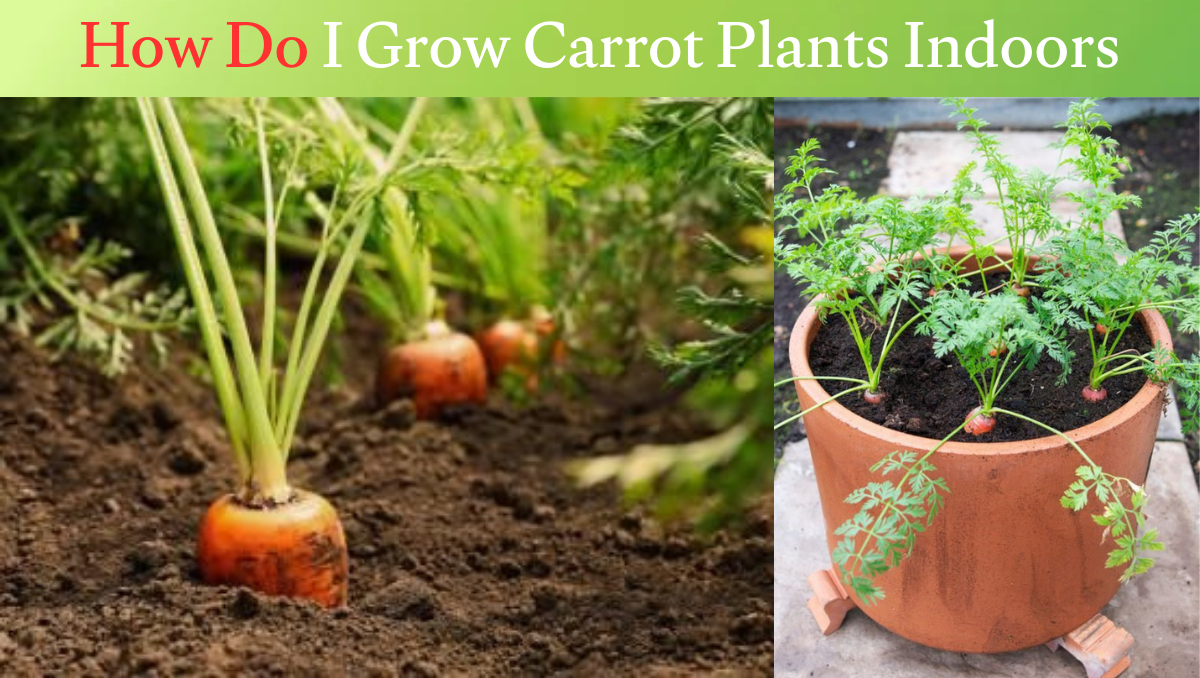
Use deep pots to grow carrots indoors. The container should be at least 10 to 12 inches deep with drainage holes. These holes should be filled with loose sandy potting mix. Plant the seeds about an inch deep in the soil. Keep the soil consistently moist and place in a sunny spot or under a grow light for 12 hours. Thin the plants to two to three inches apart and harvest in 55 to 80 days. Therefore, for indoor carrots and other long-day root crops, you need to maximize your light intensity during the short 12-hour photoperiod.
Table of Contents
How Do I Grow Carrot Plants Indoors
Choose shallow-rooted root crops such as beets and grow them in containers at least 8 to 12 inches deep with drainage holes and use a loose sandy potting mix. Plant the seeds one to four inches deep and keep them consistently moist. Provide 10 to 12 hours of sunlight per day and maintain a moderate temperature. This is most effective for the plant.
Also Read: Spinach
Key Takeaways
There are many ways to grow carrot plants at home that can benefit you greatly. Some of them are as follows:
- For best growth of carrots indoors, use a 10 to 12 inch deep, open container that is at least deep enough for the roots of the carrot plants to grow freely.
- To grow carrots at home, always choose a variety with small and round carrots so that you don’t have any problems later.
- When growing carrot plants at home, plant seeds directly in soil as most of them cannot be transplanted.
- Always plant carrot seedlings in a stone-free pot about four inches deep.
- For proper growth of carrot plants at home, provide it with six to eight hours of dappled sunlight, which will help your carrot plant gain a good amount of energy at home and improve its growth.
- Avoid keeping the soil in which the carrot plant is planted too wet. Just provide a little moisture. Provide the right amount of water. Always keep the soil moist at all times. Because excessively moist soil damages the roots of the plants, so avoid it.
- Always avoid crowding plants together. Thin seedlings to prevent root rot. Always avoid crowding plants. Keep adequate distance between plants.
- Many home-grown carrots mature and are ready to harvest in 60 to 80 days.
- Applying too much fertilizer can damage the plant. Always apply fertilizer in the right amount and at the right time, and always avoid applying too much nitrogen fertilizer, which can also damage the plant’s roots.
- With the right amount of everything, good soil, and space, you can enjoy a good carrot crop at home.
Understanding Carrot Growth Indoors
Easy Ways to Grow Carrots Indoors Growing carrots indoors requires a cool area at least 8 to 12 inches deep with consistent moisture and more than six hours of bright light or more than 12 hours of LED light and use a loose sandy potting mix. Sow seeds lightly and thin out plants to prevent crowding. They take 10 to 16 weeks to mature, so be patient.So that your sweet red and flavorful carrots are ready to ripen.
Step-by-Step Guide to Growing Carrot Plants Indoors
There are many easy ways to grow carrots at home, all of which are listed below.
Choose the Right Carrot Variety
Choose a carrot variety based on your soil type, container depth, and intended use. Choose a hardy variety like snip or peri-cnn for heavy or shallow soil. Choose knotties for deep clay and he king. Use a grower for storage and juice extraction. For higher yields in deep soil, use a grower. These are the best carrot varieties that you can easily enjoy a carrot crop of your choice.
Select a Deep Container
Choose a container that is at least 12 to 20 inches deep for growing carrot roots. Make sure it has adequate drainage holes to prevent rot. Ideal options include a five-gallon plastic bucket, large cloth grow bags, or deep planters. Use a light, well-draining potting mix to allow the roots to straighten out. This is quite beneficial for the plant.
Prepare Loose, Well-Draining Soil
Preparing loose, well-drained soil is the most important step in growing straight, thornless, and healthy carrots. Carrots need a deep, light, nutrient-rich soil of 12 to 14 inches so that their roots do not encounter obstacles like rocks or compacted soil and can grow easily.
Plant Carrot Seeds Properly
Now the question is how do I grow carrot seedlings? A guide to planting and caring for the seedlings. Plant carrot seeds directly in loose, rock-free soil, spacing them 12 to 18 inches apart, inches deep and one to two inches apart. Maintain consistent moisture for 10 to 21 days until they sprout. Often use mulch to cover the soil and keep it moist. Once they reach a height of two to five inches, thin them to two to three inches. This is a complete guide to planting them.
Also Read: How To Grow Coriander Plant Indoor – Secret Tips for Fast Growth & Huge Harvest
Provide Proper Light
Proper light soil, which means well-formed carrots and sweet carrots, requires specific conditions to grow. Basically, deep, loose loamy soil that is free of rocks and heavy clay. The plants thrive in full sun for six to eight hours a day and cool weather. For ideal growth, temperatures between 55 and 75 degrees Fahrenheit are essential for proper plant growth.
Water Correctly
Water carrots by keeping the soil consistently moist to prevent splitting and bitterness. Aim for one inch of water per week, increasing to two inches as the roots mature. Deep, occasional watering encourages root rot of long, straight roots, while overwatering causes stunted growth. Use drip irrigation or soak the rows thoroughly. This is the perfect way to water carrot plants.
Thin Seedlings Early
Thinning carrot seedlings early when they are two to three inches tall is essential to prevent overcrowding and spindly roots. Keep the initial spacing to one inch and then thin them a second time to two to three inches apart. Use scissors to cut the tops at the soil level so as not to disturb the roots.
Fertilizing Carefully
It is very important to fertilize carrots carefully because they are root crops that can become hairy or misshapen if overfed or given the wrong nutrients. It is essential for successful straight and sweet carrots. Keep nitrogen low, focus on phosphorus for roots, and potassium for flavor.
Harvesting Indoor Carrots
How to Grow Carrots Indoors in Flower Pots Indoor carrots are ready to harvest two to three months after sowing or when they start to develop a shoulder. Check for maturity by pushing away the soil to see the size of the root, up to an inch in diameter, and then gently twist and then pull upwards or use a small trowel to loosen the soil and avoid pulling the carrots, which will prove quite beneficial.Carrots in Pakistan are mainly harvested during the four-six day dry season from November to March, with the young being harvested from December to February and depending on the cool temperatures, harvesting is mostly done by hand 90 to 40 days after planting for best color and flavor. If loosening the soil by removing the roots is involved, the average yield is 10 to 18 tons per acre in Pakistan.
Common Problems When Growing Carrots Indoors
Many people face many problems when growing carrot plants at home. Below are the problems that most people face when growing carrot plants at home.
- Roots becoming short or stopping your Plants often happens when the container is too small or the soil is too compact. Your Plants needs deep, well-drained soil to grow well. It can be common to make this mistake and your roots becoming short and stopping your Plants
- Preventing your carrot plants from becoming spiny Carrots are usually overcrowded with rocks and soil clods. These become spiny and twisted and can cause the roots to change shape. Always avoid this mistake and because it can damage your plant.
- If the soil dries out between these stages, germination may be slow and uneven. Carrot seeds need constant moisture to germinate well. Never let the soil dry out. Always keep the soil moist to avoid any adverse effects on the plant.
- If you plant carrots and forget about them, meaning you leave them in the soil for too long, they will be exposed to more heat than necessary, and due to their constant presence in the soil, they will develop a bitter taste. Most people make this mistake. Always avoid this mistake and harvest your crop on time.
- Often, the roots of carrot plants grown at home get rotted due to inconsistent watering, so make a regular watering schedule, meaning provide water on time and in the right amount. First, let the soil dry out completely. Then water again when the soil is completely dry and water in the right amount. Drainage holes are a must for water flow.
Most of these problems are solvable, meaning they can be avoided by using deep fertilizer and preparing loose soil, thinning the plants early, and watering regularly, so your plant can grow well.
Also Read: How Do You Grow Cilantro Plants at Homezi? Easy Indoor & Outdoor Guide for Fast Fresh Harvest
Common Mistakes to Avoid
Many people make many mistakes while growing carrots at home, which lead to disappointment. Below are some of the mistakes that you should avoid.
- When growing carrots at home, using a good container means using a container that is at least 10 to 12 inches deep to allow the carrots to grow straight and full-sized roots. This will improve the growth of your plant and ensure you have a good carrot harvest.
- Always use good soil to grow the plant, meaning never use poor, heavy soil. Clay or rocky soil causes thorny, shriveled carrots. Always use fertile, well-drained soil.
- Avoid thinning out the plants. Crowded plants compete for space, resulting in thinned out plants. Remove underdeveloped roots to give your plants more room to grow.
- Allowing the soil to dry out completely means not watering the soil on time and not taking care of the watering routine can harm your plant. Always avoid this mistake.
- Using too much nitrogen fertilizer because carrots do not require that much fertilizer and nutrition to fill out, so use the appropriate amount of fertilizer and nutrition at the right time so that you do not harm your Plants.
- Not providing the plant with the right amount of sunlight at the right time can completely stop the growth of the plant and can make the roots bitter and the carrots can also become stunted. Therefore, provide the plant with the right amount of sunlight at the right time. If there is no natural light, use artificial light.
- Attempting to transplant the plant Carrots do not adapt well and may develop them, so transplant them properly on time so that there is no adverse effect on your plant.
If you avoid the above mistakes, you can enjoy a good harvest and a good carrot crop that will provide you with a very good and profitable harvest.
Indoor vs Outdoor Carrot Growing
You can easily grow carrot plants both indoors and outdoors, which is not difficult. The only difference is in the care. If you understand these things well, you can easily grow carrot plants indoors and houseplants outdoors.
Indoor carrot growing
Growing carrots indoors is a project that requires attention to soil depth, consistent moisture, and bright light. Because carrots are root vegetables that do not transplant well, they should be grown in their final container. Growing carrots indoors requires a container that is at least 12 inches deep. Dig holes that are filled with loose, airy potting mix and plant the seeds 1/2 inch deep. Space them 10-3 inches apart and keep the soil consistently moist. Provide 12 hours of light per day. Use a south-facing window or grow light from an LED light and expect to harvest in two to three months.
Outdoor carrot growing
Outdoor carrots thrive in full sun with loose, sandy soil free of weeds. Plant seeds 1/4 inch deep in early spring. Keep the soil consistently moist for seven to 21 days and thin the plants to two to three inches apart to help them germinate. Then plant them. Harvest in 60 to 90 days. Expect to harvest when they are about one to one and a half inches in diameter.
Light, Soil, and Temperature Requirements
Below you have been completely told about the light, soil and temperature that you need, which will be helpful for the best growth of your plant, and by following this method, you can grow and activate your plant in a good way.
Ideal Light Conditions
Carrots require full sun, typically six to 10 hours of direct sunlight per day for optimal root development, although they can tolerate partial shade. They are cool-season crops that prefer a variety of soil types and ideally require loose, sandy loam and well-drained soil with a pH of 6.0 to 6.8.
Root Size Differences
The size of the roots of carrot plants is determined by the variety and the spacing between plants, with a wide spacing of 45 cm and a large row allowing for roots. Planting at higher densities and 15 cm or less results in small, thin carrots which are often subject to harvesting as baby varieties. Common varieties include the long sweet and short stemmy snap or dino varieties, six to eight. Included.
Seasonal Flexibility Indoors
Growing carrots indoors offers superior seasonal flexibility, allowing for a consistent year-round harvest because you control the environment, bypassing the harsh spring and fall requirements of outdoor gardening. While carrots are a cool-season crop that thrives best in temperatures between 55 and 75 degrees Fahrenheit (13 to 24 degrees Celsius), indoor container gardening allows you to grow them anytime, with only a slightly longer ripening time, about 30 percent longer than outdoors.
Final Thoughts
Growing carrots indoors is a rewarding yet slow project that provides control over soil quality and moisture, making it ideal for protecting against pests and harsh weather. Although they can be challenging due to the light requirements and need for deep containers, the result is often a rewarding fresh crop. Above, you have been shown how you can grow carrot plants indoors and have a nice sweet and juicy harvest.