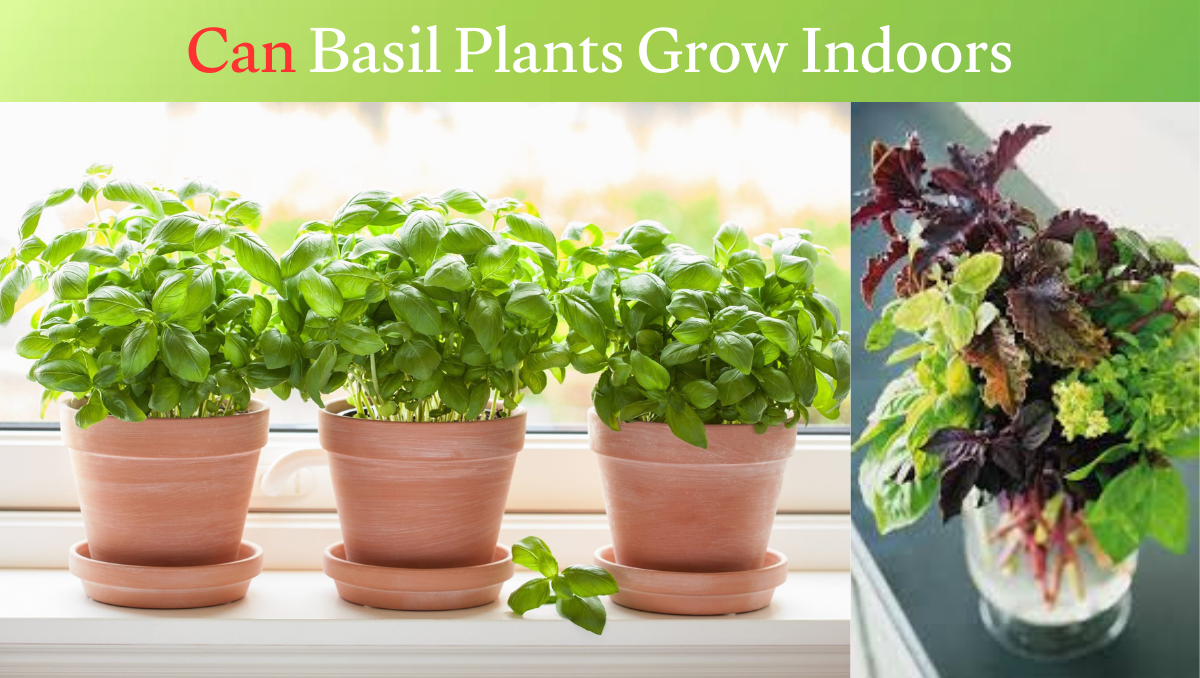
Can Basil Pants Grow Indoors? Basil Plants Growing Indoors is very simple, safe, sound, and easy by just following some of the easy steps until the plants turn leggy, stop growing, and die within weeks. If you brought the basil plants to just watch it struggle on the windowsill, you are not alone. The good news is that basil plants easily grow indoors successfully. You do not need gardening skills or a special gardener to do this. The growing of basil plants at home is very simple and easy. You just need a few basic steps to do this at home, and you just need the right setup and a few care habits to grow basil plants at home. This guide will completely clear up all of your confusions about watering, placement, and provide a complete guide on how to grow basil plants indoors without wasting all your efforts.
Table of Contents
Can Basil PLants Grow Indoors Successfully
This is the good news that basil plants grow indoors successfully when you meet all of their basic needs for growing the plants. Basil is a warm, lovely herb that does well in indoor environments, especially when it grows under a bright window or grow light. Direct sunlight plays an important role in growing basil plants indoors. Proper watering and maintenance of basil plants protect them from harsh weather and pests, which actually makes it easier than outdoor basil growing. With enough light and without overwatering, basil plants stay safe and strong and provide a fresh harvest all over the year.
Also Read: Basil
Benefits of Growing Basil Indoors
There Are Many Of The Benifits Of Growing Basil Plants Indoors but Some Are Given Below:
- The Main Benifits Of The Growing Indoor Basil Is To Provides You To Fresh Basil All Over The Year.
- There Is No Dependence Of Weathers Of Outdoors And Outdoor Seasons.
- There Is No Risk Of Pests And Any Diseases On Plants And This Is Also The Benifits Of The Scheme.
- The Directs Acess To The Fresh And And Flavourful Basil All Over The Years.
- The Basil Plants Growing Good In The Small Place Like Kitchens And In Yours Appartments.
- No Needs For Any of fertilizers And Chemical Pestisides its Helps In Providing The Chemical Free and Flavourful Basil All Over The Years.
- And Its For Begginers And The Home Gardeners And Growing Plants Is Easy And Its Is Very Easy To Maintains.
Challenges You Should Know in Advance
Growing basils indoors is very interesting and rewarding, but sometimes it may also create challenges and issues. There are many challenges and issues which you should know in advance. The biggest issue faced by many people is the insufficiency of sunlight, which may cause damage to indoor plants. Overwatering is also a common problem faced by many gardeners. Basil does not sit in wet soil because basil roots rot quickly in water, especially when the air is too dry or too cold, or especially near air conditioners and in cold weather. Within these issues, basil stops producing new leaves early. Understanding these issues helps to avoid all mistakes and helps in growing healthy and strong basil plants indoors.
Key Takeaways
There Are Many Of The keys Takeaways To Growing The Basil Plants Indoors But Somes Of The Givens Belows:
- Basil Plants Growing Indoors All Over The Years With The Proper Care Of The Plants.
- Direct And Bright Sunlight Is Need To Grow A strong Basils Plants.
- Overwatering Is One Of The Comman Reason To Damage The Indoors Basil Plants.
- Warms Tempratures Need And Direct Sunlight Need To Grow A basil Plants Indoors.
- Basil Plants provides The Fresh Leaves All Overs The Years.
- Simple Cares Of plants Makes More Easiers And Intresting For The Beginners Gardeners.
Best Conditions for Growing Basil Indoors
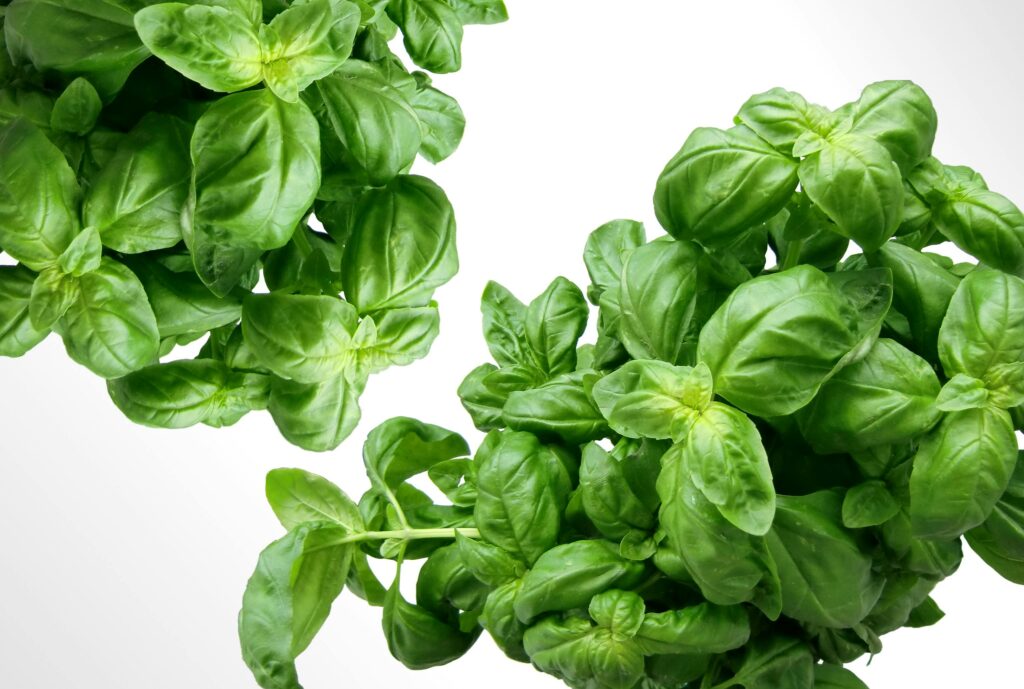
Basils plants grow best indoors when the natural environment matches your home and apartments. Basil plants need warm temperatures and direct sunlight to grow, either from windows or grow lights, to stay strong and healthy. It prefers warm and hot temperatures. Basil plants do not exist in cold weather. A pot with drainage holes is important to prevent root rot. Keeping the soil moist but not soggy—when all of these conditions are met—then basil plants grow stronger and more leafy.
Light Requirements for Indoor Basil
Light is the most important and basic need to grow basil plants indoors. Basil plants need 6–8 hours of direct sunlight daily to grow strong, healthy, and bushy. If natural sunlight is limited, then you can easily grow with an alternative method with enough light, but in this way the basil plants become tall, weak, and have smaller leaves with less flavor. Keeping the pot of the plants in direct sunlight helps to ensure even growth and stronger stems.
Best Grow Lights for Basil Indoors
For indoor basil plants, light and bright sunlight must be required for the growth of basil plants indoors. If natural sunlight is limited, then grow light and LED light are the first choice for the strong growth of basil plants because they are light-efficient and produce the right light spectrum for the growth of basil plants, so they will not burn your basil. Fluorescent lights (like T5 tubes) are the second option for the strong growth of basil plants in small containers. Place the light 6 to 12 inches above the basil plants and provide 12 to 14 hours of light daily for strong growth of basil plants indoors. Make sure the light is steady and even; this helps in making basil plants compact and flavorful instead of long, leggy stems.
Also Read: Can Jasmine Plant Grow Indoors In 2026 – Easy Tips to Bloom Your Indoor Jasmine All Year
Ideal Temperature and Humidity
Basil plants grow indoors in high and consistent warm temperatures. To grow basil plants indoors, the temperature should be warm. The temperature needed to grow basil plants indoors is ideally between 65–80°F (18–27°C). Basil does not exist in cold weather, so the pot of the plants should be kept away from windows and air conditioners. Sudden temperature falls can stop the growth of basil plants and also damage the leaves of the plants. Basil also grows well in moderate indoor humidity, but very dry air may cause leaf damage. If your house is too dry, then put the pot of the plants near other plants; this may help keep basil comfortable and healthy.
Soil and Pot Requirements
For the healthy growth of basil plants, the size of the pot and soil also play an important role in the growing of basil plants indoors. Always choose well-draining soil that holds moisture but is not soggy. For better drainage, the pot should have drainage holes on the bottom of the pot to prevent water from sitting around the roots, which may cause root rot. Always choose a pot that is 6 to 8 inches wide and deep so the roots have enough space to grow. Always choosing the right soil and pot size helps to produce stronger and more productive basil plants indoors.
Step-by-Step Guide to Grow Basil Indoors
There Are Some Of The Steps To Grows The Basils Plants Indoors These Steps Makes The Indoors Planting Easy:
Choose the Right Basil Variety
Choosing the right variety of basil plants makes it easier and more interesting for gardeners to grow basil indoors. Some special types of basil stay compact indoors and are ideal for pots. Sweet basil is one of the most popular types for beginners and indoor growing, and it is perfect for indoor kitchen cooking. Genovese basil is one of the most commonly grown basil plant types, known for its strong aroma and small leaves, and it is best for small spaces. It easily grows in small spaces because it does not spread too much. Picking an indoor-friendly variety helps to ensure healthier growth and is always best for harvesting.
Planting Seeds or Transplants Indoors
You can easily grow basil plants through seeds and transplants; both methods work well. When you plant basil seeds, fill the pot with moist and well-drained soil and sow the seeds ¼ inch deep. Always keep the pot moist and keep it in direct sunlight. With proper care of the pot, the seeds germinate within 5 to 10 days. If you are using transplants, gently place the plants in fresh soil and avoid burying the stems too deep in the soil. After planting, lightly allow the plants time to adjust to proper light and warmth, and basil quickly begins producing leaves.
Watering Basil the Right Way
Proper watering and care make basil plants stronger and healthier. Keep the soil evenly moist, but basil does not tolerate overwatering. Water the plants when the top inches of the soil feel dry and allow excess water to drain out from the bottom of the pots. Avoid letting the plants sit in standing water, and always water the basil plants on time. Overwatering can cause the roots to rot, and if water constantly stands in the pot, the leaves of the plant can turn yellow and wither. There is a complete method for watering basil plants that can make them stronger and more fruitful.
Pruning and Harvesting for Continuous Growth
Harvesting basil regularly and consistently is an excellent practice, which helps the plant grow and become more fruitful. Once the plant starts to grow leaves, harvest those leaves from the top, not the bottom. This does not weaken the plant; rather, new and stronger branches grow on the plant. Avoid removing more than a third of the plant at a time to prevent defoliation. Regularly prune the plant’s leaves and take full care of it. Pinch off the buds as soon as they appear on the flowers, as their flavor diminishes as they open. Continuous plant care and leaf harvesting is the best practice; this will ensure that you have basil throughout the year, and the plant will remain strong.
Common Mistakes to Avoid When Growing Basil Indoors
There Are Many Of The Comman Mistakes that May also stops the Growh Of The Indoor Plants Are As Given Below:
- The most common mistake people make is not providing the plant with the right amount of light during its growth, which causes the plant to rot.
- It is a big mistake to overwater a plant and keep the soil wet all the time.
- Using pots with no drainage holes is also a big mistake.
- And keeping the plant box in an air conditioner or cold place is a mistake that many people often make.
- Leaving the plant alone, not taking proper care of it, not watering it on time, and not pruning it.
- Using too much heavy and infertile soil can also be detrimental to the plant.
- Keep the container with the seeds in a very dry place or away from damp places.
- Do not rotate the plant container frequently for light, as this may stunt the plant’s growth.
- Ignoring yellow, dead leaves can also stunt growth.
Also Read: Can You Grow Strawberry Plants Indoors In 2026 – Easy Step-by-Step Guide for Juicy Berries All Year!
How Long Does Basil Last Indoors
Basil can last for four to six months indoors, which is the lifespan of the plant. If properly cared for, watered regularly, and the leaves harvested, basil can continue to produce fresh leaves for months. Basil is naturally a short-lived plant that may reduce its yield over time, eventually becoming woody. However, removing flower buds and watering it regularly can extend its lifespan. When the plant starts producing small leaves and stops growing, it is a sign that a new basil plant should be planted.
Indoor Basil Care Tips for Maximum Flavor.
The Indoor Basil Care Tips for Maximum Flavor Is Given Below:
- Keep the basil plant in direct sunlight and provide it with 12 to 14 hours of light daily.
- Basil plants need a lot of warm weather to fill out The Temprature Is Ideally Between 65–80°F (18–27°C) For Growth Of Plants.
- Water only when the top layer of soil is dry. Avoid overwatering.
- Always choose a good container with drainage holes for growing plants at home.
- Prune regularly and on time to promote bush growth and prevent leggy growth.
- Pinch the plant on time for good growth and to make it more flavorful.
- Feed your basil plant thoroughly every four to six weeks by mixing fertilizer into a balanced water.
- Rotate the plant container towards the sun occasionally to provide light.
- Always maintain a slight humidity. If the weather is dry inside, place it with your other plants.
- If you want the best aroma and taste of basil, then harvesting the leaves in the morning will prove to be very effective.
Final Thoughts
Growing basil at home is very beneficial and effective because it provides you with good-quality and fragrant basil all year round. It just needs a few requirements and your attention, so you can easily grow it at home. Even those who are skeptical about planting new plants can easily grow basil at home. Choosing the right variety of basil and giving it proper water and attention proves to be very effective and beneficial. By avoiding the mistakes mentioned above, you can grow basil at home very well. Basil creates a wonderful aroma and a great ambiance in the house. It will enhance the beauty of your home when placed indoors, and along with that, you’ll get to enjoy fresh basil for free throughout the whole year.
How do I keep basil alive indoors?
Yes, we can grow basil right inside our homes.
Can a basil plant live forever indoors?
If you grow basil indoors or in a climate where it can be grown outdoors year-round, it will live a lot longer.
Can you put a basil plant inside a house?
Basil is a wonderful addition to any container garden or planter, even for beginner gardeners.
Can I grow basil indoors without soil?
you can grow basil without any dirt
How long will a potted basil plant last?
However, if you want to extend the harvesting window and grow basil all year round, grow basil indoors and harvest fresh leaves from the plants throughout the winter months. When properly maintained, basil plants usually last about a year indoors, but they can sometimes live up to four years.
1 thought on “Can Basil Plants Grow Indoors in 2026? Beginner-Friendly Tips for Growing Basil Successfully”