How To Care For Basil Plants In 2026: The Complete Guide to Growing Fresh Basil Indoors
How To Care For Basil Plant

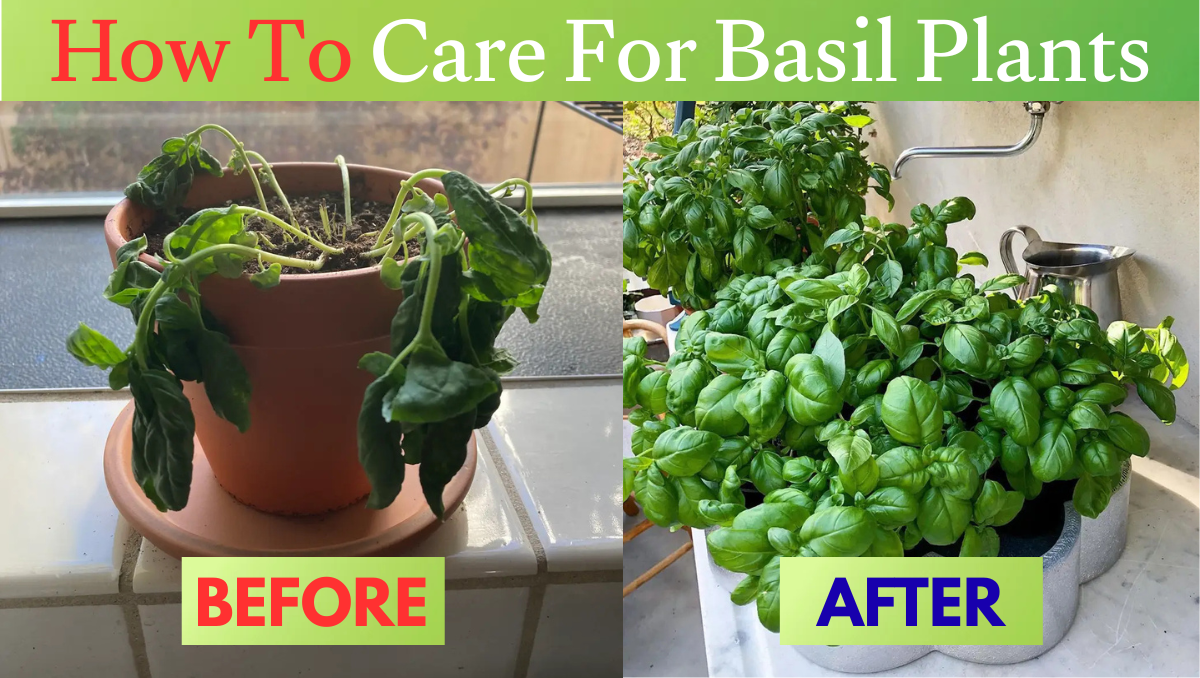
Many people feel confused about caring for basil plants.People stop caring for plants, especially when their leaves start to die and stop giving off fragrance.Many people believe that growing basil at home is not only difficult, but also impossibleBut the reality is not like that at all. It cannot grow unless it is fully taken care of and where it is not fulfilled. Whether you are growing a basil plant at home or outside in a garden, taking care of it makes a big difference.There is no difficulty in growing and caring for a basil plant. You just need to follow a few steps. Its steps have been divided to make its maintenance easy and practical.So that you can reap the fruits of your labor and have fragrant and good basil at home.And you can enjoy fresh and fragrant basil plants. How To Care For Basil Plants Properly If basil plants are properly cared for, provided they are provided with water, light, etc. on time, it is not at all impossible to grow basil plants at home.Basil plants need plenty of sunlight, moist soil, and timely and abundant water to grow and flourish.Periodically harvesting its leaves also proves effective.Which helps to accelerate the growth rate of its bushes.Whether the plant is grown indoors or outdoors in a large garden, always avoid overwatering it and keeping it cool.With just a little bit of attention, it is absolutely possible to grow a basil plant at home.This little attention also stimulates the growth of the plant and makes it bloom more.And this little attention makes it more fragrant and flavorful. Also Read: Strawberry Key Takeaways There Are Many Of The Key Takeaways To care Of The Basil Plants Some Are Given Belows: Understanding Basil Plant Basics There Are Many Of The Basil Plants Basic Need After Sow The Seeds Some Of Them Are Given Belows: Types of Basil Plants There are many types of basil plants, and they all have different uses and flavors.Sweet basil is used the most.This is the most common type of basil and is used most often in cooking and kitchenware.Genovese basil is also a type of basil whose leaves are very large, fragrant, and have a good flavor.These are very popular and suitable for pesto It is mostly used in food and kitchen items.Holy basil is a type of basil that is very popular.It is helpful and efficient in making most medicines.And at the same time, it is recognized for its unique flavor.The right choice of basil plant depends on what purpose you are using it for.But most types are easy to care for properly. Basil Growth Cycle Explained Basil’s Plants is formed after going through a simple and predictable cycle.It starts as a seedling and this is when its small leaves initially appear.And then the growth on the roots of the plant should be taken care of.And then this plant enters the maintenance phase.Basil produces more leaves and a larger stemWhen the leaves of a plant are regularly pruned, it becomes a shrub.Eventually, the plant reaches the flowering stage, after which it produces fragrant flowers.After the basil plant flowers, its growth slows down.And then the taste of the flowers also diminishes.Proper care, removing flowers and watering thoroughly, and providing sunlight, all of this makes it easier for it to go through all the stages.And proper care and all the methods I have told you about keep the plants healthy and strong. Also Read: Can Basil Plants Grow Indoors In 2026? Grow Fresh Basil at Home All Year with These Easy Tips Step-by-Step Guide to Caring for Basil Plants There Are Many Of The steps To Grow The Basil Plant With Care All Of The Steps Are Given Below: Provide the Right Light Sunlight plays an important role in making basil plants strong and healthy.To make the basil plant healthy, strong, and more productive, it should be provided with six to eight hours of direct sunlight daily.Sunlight is perfect for outdoor basil plants, but if it is grown indoors, it should be placed near a window where it can easily get sunlight.Due to lack of sunlight, the basil plant withers and the leaves turn yellow.Sunlight plays an important role in making the basil plant fully green and more fruitful. Best Light Setup for Indoor Basil Indoor basil needs a lot of sunlight, so a west or south-facing window is ideal.Because it is ideal in providing natural sunlight for most of the day.If sunlight is not available, using LED light also proves reliable.Place the LED light six to eight inches away from the growing plant.And provide the plant with 6 to 12 hours of continuous light each day.And after a few days, rotate the plant container, which helps it get more sunlight.As a result of all these things, you get a balanced and very good result, in the form of basil. Use the Right Soil and Pot To improve the growth of basil, it is essential to have the right soil and pot, otherwise growth may be stunted.Basil prefers light, moist, well-drained soil.Just a good quality pot, meaning a pot with good drainage and only slightly moist soil, is ideal.Especially when mixed with a little light and composite.Always choose a pot for growing basil that has drainage holes so that water does not stagnate and always use a pot that is six to eight inches deep so that the roots can grow freely and easily.A six to eight inch deep pot reduces root problems and helps the plant grow.All these things help to increase plant growth. Maintain Proper Temperature and Humidity Grows faster in much warmer and more stable environments than And the best temperature for it is 65–80°F (18–27°C),And the basil plant does not tolerate extreme cold.And always keep basil plants away from frosty windows and aircraft.Maintain adequate humidity, especially in winter, and protect it from excessive moisture and frost.If your house is very dry, you should wash the plant thoroughly so that it becomes moist, and … Read more
Can Basil Plants Grow Indoors in 2026? Beginner-Friendly Tips for Growing Basil Successfully

Can Basil PLants Grow Indoors

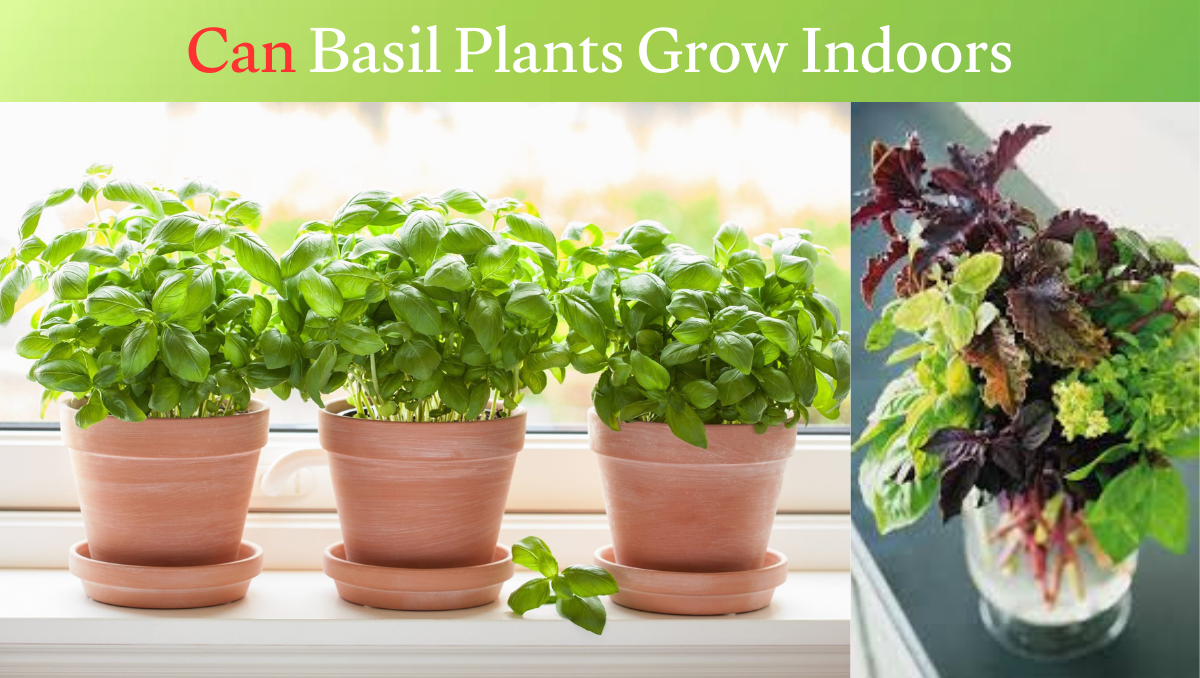
Can Basil Pants Grow Indoors? Basil Plants Growing Indoors is very simple, safe, sound, and easy by just following some of the easy steps until the plants turn leggy, stop growing, and die within weeks. If you brought the basil plants to just watch it struggle on the windowsill, you are not alone. The good news is that basil plants easily grow indoors successfully. You do not need gardening skills or a special gardener to do this. The growing of basil plants at home is very simple and easy. You just need a few basic steps to do this at home, and you just need the right setup and a few care habits to grow basil plants at home. This guide will completely clear up all of your confusions about watering, placement, and provide a complete guide on how to grow basil plants indoors without wasting all your efforts. Can Basil PLants Grow Indoors Successfully This is the good news that basil plants grow indoors successfully when you meet all of their basic needs for growing the plants. Basil is a warm, lovely herb that does well in indoor environments, especially when it grows under a bright window or grow light. Direct sunlight plays an important role in growing basil plants indoors. Proper watering and maintenance of basil plants protect them from harsh weather and pests, which actually makes it easier than outdoor basil growing. With enough light and without overwatering, basil plants stay safe and strong and provide a fresh harvest all over the year. Also Read: Basil Benefits of Growing Basil Indoors There Are Many Of The Benifits Of Growing Basil Plants Indoors but Some Are Given Below: Challenges You Should Know in Advance Growing basils indoors is very interesting and rewarding, but sometimes it may also create challenges and issues. There are many challenges and issues which you should know in advance. The biggest issue faced by many people is the insufficiency of sunlight, which may cause damage to indoor plants. Overwatering is also a common problem faced by many gardeners. Basil does not sit in wet soil because basil roots rot quickly in water, especially when the air is too dry or too cold, or especially near air conditioners and in cold weather. Within these issues, basil stops producing new leaves early. Understanding these issues helps to avoid all mistakes and helps in growing healthy and strong basil plants indoors. Key Takeaways There Are Many Of The keys Takeaways To Growing The Basil Plants Indoors But Somes Of The Givens Belows: Best Conditions for Growing Basil Indoors Basils plants grow best indoors when the natural environment matches your home and apartments. Basil plants need warm temperatures and direct sunlight to grow, either from windows or grow lights, to stay strong and healthy. It prefers warm and hot temperatures. Basil plants do not exist in cold weather. A pot with drainage holes is important to prevent root rot. Keeping the soil moist but not soggy—when all of these conditions are met—then basil plants grow stronger and more leafy. Light Requirements for Indoor Basil Light is the most important and basic need to grow basil plants indoors. Basil plants need 6–8 hours of direct sunlight daily to grow strong, healthy, and bushy. If natural sunlight is limited, then you can easily grow with an alternative method with enough light, but in this way the basil plants become tall, weak, and have smaller leaves with less flavor. Keeping the pot of the plants in direct sunlight helps to ensure even growth and stronger stems. Best Grow Lights for Basil Indoors For indoor basil plants, light and bright sunlight must be required for the growth of basil plants indoors. If natural sunlight is limited, then grow light and LED light are the first choice for the strong growth of basil plants because they are light-efficient and produce the right light spectrum for the growth of basil plants, so they will not burn your basil. Fluorescent lights (like T5 tubes) are the second option for the strong growth of basil plants in small containers. Place the light 6 to 12 inches above the basil plants and provide 12 to 14 hours of light daily for strong growth of basil plants indoors. Make sure the light is steady and even; this helps in making basil plants compact and flavorful instead of long, leggy stems. Also Read: Can Jasmine Plant Grow Indoors In 2026 – Easy Tips to Bloom Your Indoor Jasmine All Year Ideal Temperature and Humidity Basil plants grow indoors in high and consistent warm temperatures. To grow basil plants indoors, the temperature should be warm. The temperature needed to grow basil plants indoors is ideally between 65–80°F (18–27°C). Basil does not exist in cold weather, so the pot of the plants should be kept away from windows and air conditioners. Sudden temperature falls can stop the growth of basil plants and also damage the leaves of the plants. Basil also grows well in moderate indoor humidity, but very dry air may cause leaf damage. If your house is too dry, then put the pot of the plants near other plants; this may help keep basil comfortable and healthy. Soil and Pot Requirements For the healthy growth of basil plants, the size of the pot and soil also play an important role in the growing of basil plants indoors. Always choose well-draining soil that holds moisture but is not soggy. For better drainage, the pot should have drainage holes on the bottom of the pot to prevent water from sitting around the roots, which may cause root rot. Always choose a pot that is 6 to 8 inches wide and deep so the roots have enough space to grow. Always choosing the right soil and pot size helps to produce stronger and more productive basil plants indoors. Step-by-Step Guide to Grow Basil Indoors There Are Some Of The Steps To Grows The Basils Plants Indoors These Steps Makes The Indoors … Read more

Can Jasmine Plant Grow Indoors In 2026? How to Keep Indoor Jasmine Plants Blooming All Year

can jasmine plant grow indoors

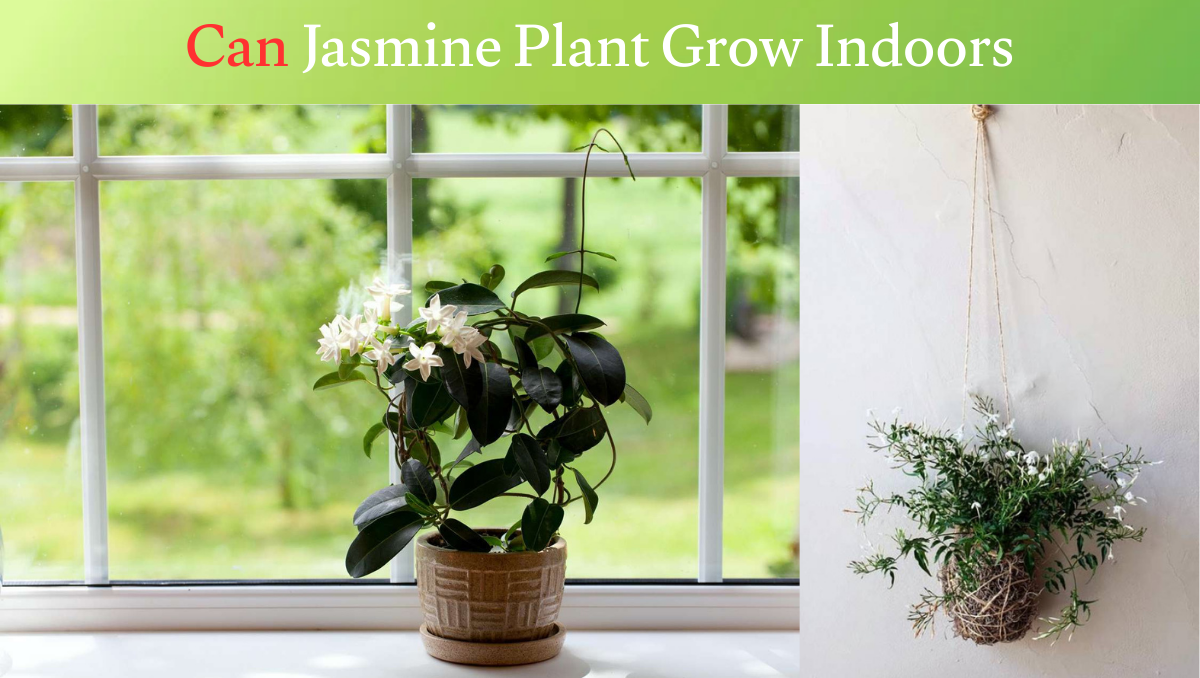
Can Jasmine Plant Grow Indoors? Many people think that jasmine plants do not grow indoors. This is completely wrong. The truth is that jasmine plants grow very well and in the best way indoors. Jasmine plants look great indoors as long as the plant does not wither, does not turn yellow, or does not look sad in the corner of the house. There are many benefits to growing this plant. It spreads fragrance inside your house and looks very good indoors. Many people wonder what is needed to grow it. To grow it, you need excellent light, water, and a little patience. And you can grow it indoors. Jasmine is one of the most popular plants.You can grow it indoors with a little care, whether you live in an apartment, a small house, or even your own home. If your home has low light, you can grow it indoors. How To Grow A Jasmine Plant Indoors​ – What You Need to Know First Can Jasmine Really Thrive Indoors? Yes, jasmine can flourish indoors, but only if you meet its basic needs. Now what are its basic needs? Its basic needs include good light, water, and a little patience and long-term care. Many people fail to grow jasmine in their homes because they think that it does not need much light, which is not the case at all. Jasmine needs a lot of light and air and it loves it. Jasmine grows very well indoors, but it grows a little slower than outdoors. And it is not that it will be less healthy than outdoors. It will be healthy and will give good flowers if you take good care of it. Also Visit: Jasmine Benefits of Growing Jasmine Indoors There are many benefits of growing Jasmine indoors, such as Jasmine enhances the beauty of your home and it also provides oxygen to your home along with its beauty. Jasmine also spreads fragrance throughout your home and if you keep it in your bedroom or wherever you sit, it spreads fragrance there and it looks very peaceful lying in the house and a person gets happy by looking at it.Jasmine plants are soothing to look at. Jasmine also adds a touch of greenery that instantly enhances interior spaces and brings fragrance, beauty, and comfort to your home all year round. Key Takeaways – Quick Summary for Busy Gardeners Those who don’t have enough time to read the entire article can get the guide here: If you are growing a jasmine plant and you take care of these things, your jasmine plant will grow perfectly indoors. Best Jasmine Varieties for Indoor Growing Arabian Jasmine (Jasminum sambac) The Arabian variety is the best variety for growing jasmine indoors and it adapts to the home environment and it grows indoors. It is much better than the outdoor variety because it grows indoors in your bright window and has a very nice fragrance and produces white flowers with yellow leaves. Its flowers are small and it prefers warm temperatures, constant light and light pruning which makes it ideal for beginners and it will grow indoors with just a little care. Common Jasmine (Jasminum officinale) Another type of jasmine is the common jasmine. It also grows well indoors. It is a vine that grows outdoors, but with a little effort and patience, it can be grown indoors in a small pot. Its flowers are soft and light, and its fragrance is pleasant. This jasmine can be grown indoors.Common jasmine may bloom less frequently than Arabian jasmine indoors, but regular pruning, good lighting, and good care can improve flowering. Don’t mind paying more attention to it. Dwarf & Compact Jasmine Types The Dwarf and compact jasmine varieties are a great option for indoor gardeners and can grow in a small space. If you are short on space or prefer low-maintenance plants, this is a great option for you as they do not require much maintenance. These varieties are bred to stay small, making them ideal for apartments, homes, and window sills.If you are new to growing plants and you want to grow them in a small space without requiring much care, then dwarf and complex varieties are a great choice for you. Also Read: Can You Grow Strawberry Plants Indoors In 2026 – Easy Step-by-Step Guide for Juicy Berries All Year! Step-by-Step Guide to Growing Jasmine Plants Indoors Follow these points to grow jasmine plants at indoors: Step 1 – Choosing the Right Pot and Container Choosing the right pot and container can go a long way in growing jasmine plants. Always choose a pot that is small and has good drainage because the soil inside a large pot can remain wet for a long time, which can cause the roots to rot and your plant may fail to grow. Therefore, always use a pot that does not hold water for a long time, has good drainage, and uses less soil so that the soil does not remain too wet and the plant can grow optimally in your home. Ideal Pot Size The pot plays a very important role in growing indoor jasmine. You do not need a pot that is too big or too small, but a medium pot because a pot that is too big holds water for a long time, which can cause the roots to rot, and a pot that is too small does not allow the roots of the jasmine plant to spread, which can hinder its growth. Therefore, try to get a pot that is 8 to 10 inches wide and deep, in which the jasmine plant can grow well. When your jasmine plant starts to fill up, you can also shift it to a larger container for one to two years. Importance of Drainage Holes To grow jasmine plants indoors, your pot should have drainage holes that help drain excess water out of the pot because excess water can rot the roots of your plant and cause problems with the … Read more

Can You Grow Strawberry Plants Indoors In 2026? Step-by-Step Guide for Indoor Strawberry Success

can you grow strawberry plants indoors

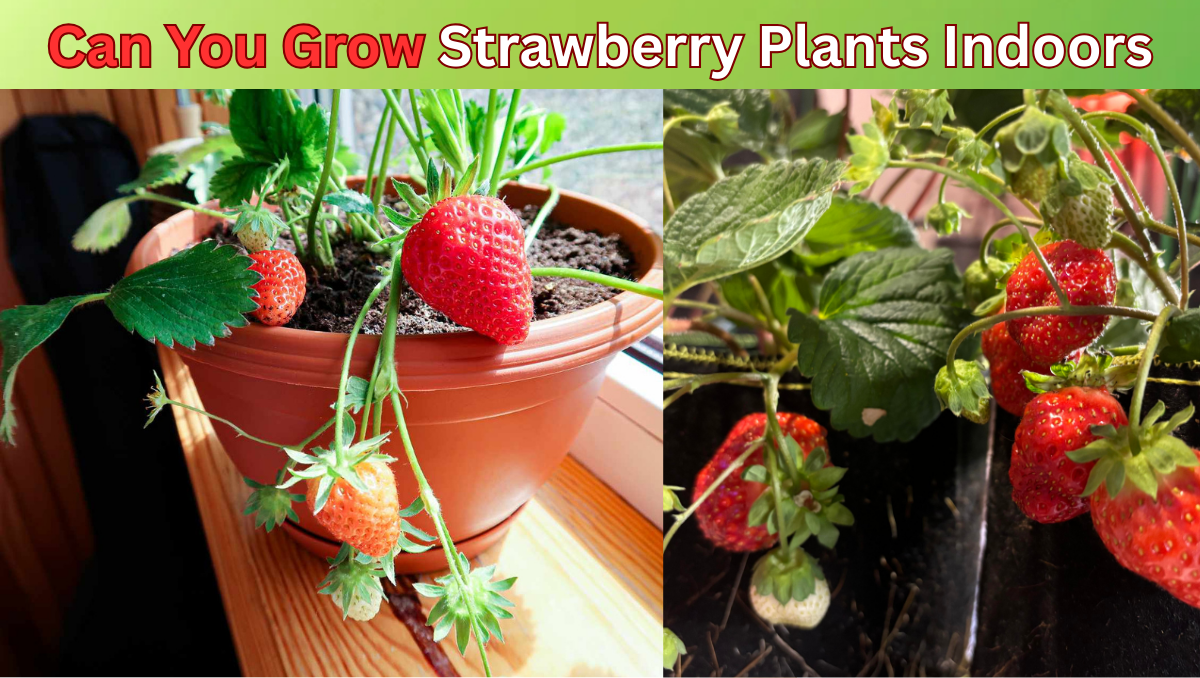
Many people hesitate to grow strawberries at home or are afraid that strawberries do not grow indoors and that it requires a lot of effort. But the good and happy thing is that there is no need to work hard and hesitate to grow strawberries because you can easily grow strawberries indoors. If you do not have any experience in planting strawberries, you can still grow them in your home with great satisfaction. To grow them, you will only need a little patience, a little method, a little friendliness and light. You can grow strawberries indoors very easily and enjoy strawberries all year round. And strawberries grow very sweet indoors. Can You Grow Strawberry Plants Indoors Successfully? Yes, you can grow strawberries indoors and in your home very easily. Many people do not have a garden or space outside, so they can grow strawberries in the kitchen or bathroom, but wherever there is good light. And strawberry plants are quite adaptable and can thrive indoors when they get enough light, adequate water, and a suitable container. Many people have grown strawberries indoors in apartments and houses, and it is quite possible that you can also grow strawberries indoors. Also Read: Strawberry Plants Key Takeaways – Quick Answer for Busy Readers Below are seven key points that if you follow, you can grow strawberries at home easily and in a better way. Best Strawberry Varieties for Indoor Growing Day-Neutral Strawberry Varieties (Best Choice) Day-neutral varieties are the best for growing strawberries at home. They grow very easily indoors, do not require much care, and do not bloom in any particular season. Rather, they bloom all year round. If you give them water, light, and natural food, they will grow very well in your home and will continue to bear fruit all year round.These types are very good for indoor environments. Everbearing Strawberry Varieties Everbearing strawberry varieties are a great option for growing indoors, especially if you want to have multiple harvests throughout the year. These plants typically bear fruit in two to three main cycles rather than continuously like day-neutral varieties, but with proper indoor care they still perform well and provide you with strawberries all year round. Why June-Bearing Strawberries Are Not Ideal Indoors June strawberries are not a good option for growing indoors because they require a longer period of light, water, and nutrients to grow, which can be difficult to achieve indoors. These varieties require long periods of light and are sensitive to seasonal temperature changes and winter frosts, making them difficult to grow indoors. What You Need to Grow Strawberry Plants Indoors Choosing the Right Container Strawberry plants grow well indoors if you choose the right container. Strawberry plants have shallow roots, but they still need a lot of space. If the container or pot is too small, the strawberry plant may have difficulty growing and it may be difficult for water to reach its roots, limiting its growth. Therefore, try to use a large pot in which water can easily reach its roots so that the strawberry plant does not face any obstacles in its growth and can grow indoors with good aroma and good fruit. Ideal Pot Size and Drainage The best container size for growing healthy indoor strawberries should be six to eight inches wide and tall because it helps the strawberry grow more. This size provides enough space for the roots to spread out without crowding, which helps the plant produce stronger leaves and better fruit. If you want to plant more plants in a container, be sure to plant one plant six inches away from the other because it spreads its roots, which can cause the roots of both to become tangled. Hanging Baskets vs Floor Pots Hanging baskets and floor pots are both great options for growing strawberries indoors, and both have their own advantages and disadvantages. Hanging baskets are a great option if you don’t have space underneath, so you can opt for raised baskets. This helps the plant grow better and more evenly. It protects the plant from insects or any damage that may come down from below, and the light falls directly on the plant. If you keep the plant in a window, it may be a little obstructed, but if you plant it in a raised basket, the light falls directly on the plant. On the other hand, if you are choosing both above ground, this is also a great option. It is easier and more efficient for watering and is great for strong root development. Floor pots also make it easier to rotate the plants for light exposure. If you are new to growing strawberries indoors and are just starting out, floor pots are often the safest and easiest option. However, if you want to save space at home or don’t have space at home, you can also choose hanging baskets, which are also a great option. Best Soil Mix for Indoor Strawberries Choosing the right soil is very important for growing strawberry plants because if you are growing any plant indoors, its health, growth and fruiting system depend on the soil. The better the soil, the healthier the plant and the more fruit it will produce. Strawberry plants prefer well-drained, slightly acidic soil with a pH between 5.5 and 6.5. A simple and effective soil mix can include: Also Read: How to Grow a Garlic Plant Indoors In 2026 – Easy Tips for Fresh Garlic at Home Soil texture and drainage needs Soil texture and drainage are important for healthy growth of indoor strawberry plants. Strawberries need light, loose soil and good drainage. They prefer well-aerated soil to thrive. Heavy or compacted soil can trap water and suffocate their roots, increasing the risk of root rot and diseases. So try to choose a good soil and choose light, soft soil, sandy soil, and soil that can stay moist for a long time. Store-bought vs DIY mix Growing strawberries indoors is indeed possible. When it … Read more

How to Grow a Garlic Plant Indoors In 2026: Easy Method to Harvest Garlic at Home

how to grow a garlic plant indoors

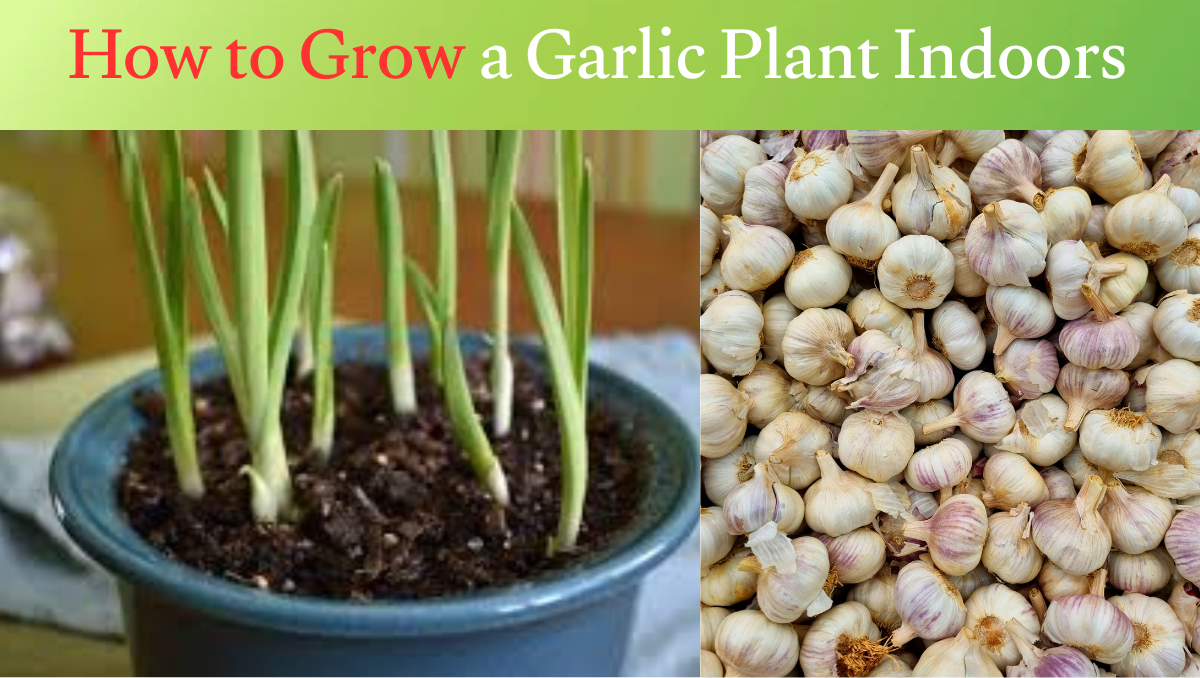
Many people want to Know how to grow a garlic plant indoors. Many people think that growing garlic at home is very difficult. It does not grow at home. It requires a large space or good sunlight and good care and skill. But this is wrong. The good thing is that garlic is one of those plants that does not require much care and much effort to grow. You can grow garlic in a limited space in your home with limited light and limited skill. It is very easy to grow. You can grow garlic in a pot. You can also grow it in a small pot. You can also keep it in your kitchen window and balcony. If you want to grow more garlic, growing garlic at home is very easy. How to Grow a Garlic Plant Indoors In 2026 (Complete Beginner Guide) Growing garlic at home is quite easy because you don’t need any fancy tools or skills to grow it. They can be grown indoors quite easily and if you get them started right, they can take care of themselves. Growing garlic at home also has the advantage that you can pick fresh garlic when you want to add it to your food. It grows on its own slowly but steadily over a long period of time. To get started, all you need is a healthy clove of garlic, a pot with drainage holes, loose potting soil, and good light. Carefully separate the cloves, keeping the papery skin intact, and plant them pointed side up in the soil about an inch or two deep. Place the pot near a sunny window or under a grow light, and give it a light watering whenever the soil feels dry on top. Remember, garlic doesn’t like water at all, but if you feel the soil is dry, give it a light watering. Also Read: Garlic Can Garlic Really Grow Indoors Successfully? Garlic is a hardy plant that can grow in very small spaces. Garlic can be successfully grown at home.Garlic is a hardy plant that doesn’t require much space, so it can grow indoors, on a balcony or window sill, where there is good light, and it will continue to grow inside your home without any major problems. Garlic is a warm-season plant that grows easily and well, and it is quite possible to grow it indoors. It is also possible to grow full-sized garlic bulbs indoors, but the bulbs are usually smaller than those grown outdoors because of the limited space and light inside. However, with patience and good care, indoor garlic can still be a healthy, productive and very rewarding plant, especially for home cooks and indoor gardening enthusiasts. Best Garlic Varieties for Indoor Growing Choosing the best garlic varieties for growing garlic at home is very important. Not all varieties of garlic perform equally well in containers or indoor conditions, so starting with the right variety helps ensure better germination and fewer problems. Generally, garlic that is well adapted to limited space and warm temperatures will grow well in containers or indoor conditions. Softneck is a type of garlic that usually grows very well indoors. This variety does not require much cold. It can also grow very well in pots at home. It produces flexible stems, ripens quickly and handles indoor temperatures better than other varieties. Hardneck can also be easily grown indoors, but it prefers marginal conditions and more space, which can make it difficult for beginners. If your main goal is to grow fresh garlic, both types work well, but if you want to easily and successfully grow garlic in your home, go for the softneck variety. It grows very easily indoors. Softneck Garlic (Best for Indoors) Softneck garlic is considered an excellent option for growing indoors, especially for beginners. This variety adapts well to warm indoor temperatures and does not require a long cold period to grow properly. Softneck garlic also has shorter, more flexible stems, making it easier to manage in pots and containers.Softneck garlic grows very easily at home and does not require much care and continues to grow. Hardneck Garlic (When It Works Indoors) Garlic can be grown indoors, but to grow it, you need to have a little bit of skill and you need to know a little bit about it. Growing it indoors requires a little more attention to thrive. Unlike the softneck varieties, hardneck garlic prefers cooler temperatures and is a little tougher than the ones that generally require exposure to cold to fully develop. That’s why you should grow softneck indoors. It grows very easily indoors. It doesn’t require much care. It takes care of itself. Key Takeaways – Quick Indoor Garlic Growing Summary What You Need Before Planting Garlic Indoors So before you start growing your plants indoors, it’s important to have the right ingredients and setup. Preparing in advance makes the process easier and ensures that your plants are healthy and safe. Here’s what you need. Choosing the Right Garlic Cloves To grow this garlic plant indoors, use strong, healthy cloves. Organic garlic or cloves that have already started to sprout are ideal as they establish roots quickly. Avoid soft, cracked cloves as they are unlikely to grow well indoors. Carefully separate the clove from the bulb, keeping the papery skin intact, and plant it in another pot. Plant only one clove in each pot, with the pointed end of the clove on the bottom. Best Containers and Pots for Garlic Garlic needs plenty of space to spread its roots, so the best pot for planting garlic is a six to eight inch pot, and try not to make the pot too small. A wide pot is great for garlic and is the best option. Avoid overwatering.When the soil is dry, you can now check and add a little water so that the soil becomes moist and there are small holes in the soil that can deliver water to their roots. Best Soil Mix … Read more

How to Grow Ginger Plant Indoors In 2026: Smart Indoor Gardening Tips for Better Yield

How to Grow Ginger Plant Indoors

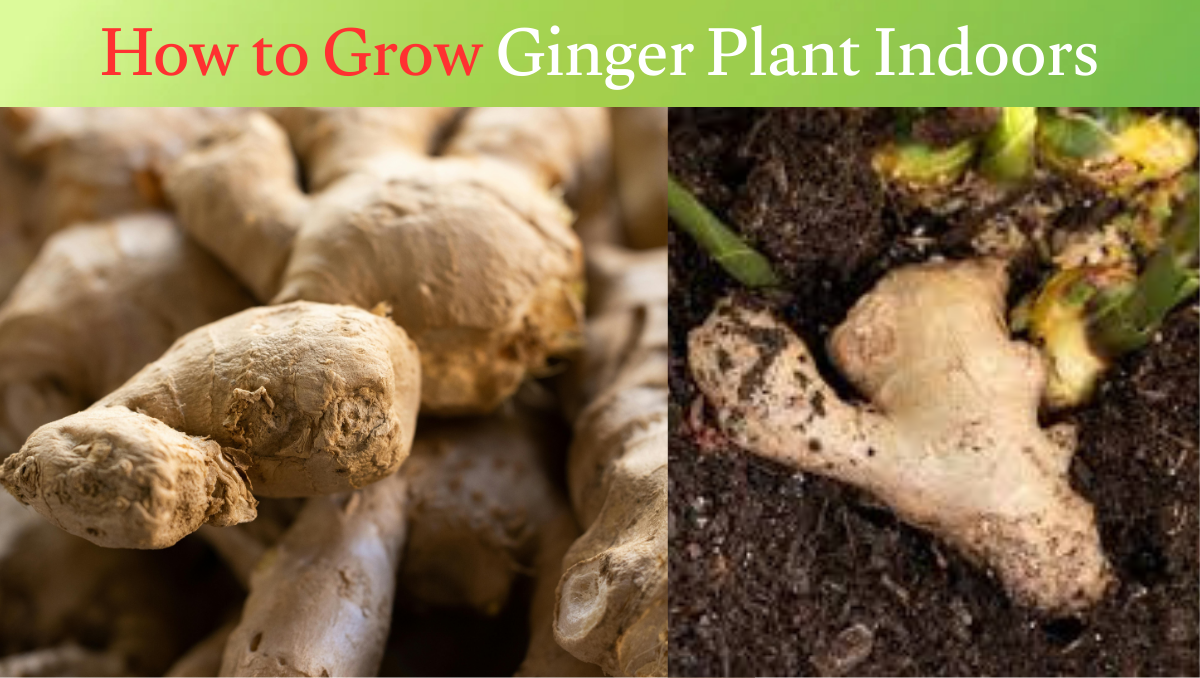
Many People want to know How to Grow Ginger Plant Indoors? Growing The Ginger Plants Indoor Is Very Easy, and It is an Excellents Way To Enjoy The Ginger around All over The Year. Ginger Is a Tropical Plants, Which Widely Used In Cooking And Herbal Remedies, and the Ginger plants Also used In the making the Tradational Medicines. The Good News is, You Donot Need A large Garden to Grow The Plants Of the Gingers. Ginger Can Thrive Indoor In pots, And With The Proper Care, You Will completely Learn How To Grow Ginger Plants Indoors, Including the Pot Size and Soil, and All others Details, And Sunlight, Watering, And Comman Progblems Faced By The People, And Harvesting Tips, And All of the other details. This Article Proves As the Help For the beginners And Home Gardeners. Why Planting Ginger Indoors? Growing Ginger Indoor Have The Several Benifits Including: Indoor Ginger Planting Are The Low Mantainance And Making Them Excellent Choice For The Beginners. Also Read: Ginger Best Time to Grow Ginger Indoors The Gingers Plants Is Planted indoor Almost All year Round about As long. When The Temprature Remains Constant And Stabe. Things You Need to Grow Ginger Indoors Before Planting Ginger Indoor Make Sure You Have The Following: Fresh Ginger Rhizome To planting the Ginger Plants At Home Always Choosing The Fresh and Organic Ginger rhizome Is a first Step To growing The Healthy And Indoor Plants For Plumps Firms Pieces Of ginger With The Smooth Skins And Eyes Or The Small bumps These Are The Main Growthy Points To Growing The Ginger Plants AT Home That Will Sprout Into The New Shouts Avoid That Rhizome That Are Shriveled Soft and moldy and rhizome They Are Unlikely To Grow Before Planting The Ginger Rhizome Soak It Into the Water For Fews Years Even wake up And You Can Cut The Largers Pieces Into The Section Making Sure That The Each Of The Section has Atleast One Eyes This Careful Selection Gives You Indoor Gingers And The Best Start For The Healthy Growth Of the Gingers Pre‑Planting Prep Before Planting your Ginger plants at home A little preps Works Can Make Big Difference How its Growth THe Ginger plants Its Is Started By The Soaking rhizome aian the warm water for few hours Evens Mid night To encourage Spourting If the Piece Of the Ginger Is Larger You Can Cut Off Into The Smaller Section Making Sure That Each Of The Ginger Has A Atleast One Healthy Eyes Or bud let the cut peices of the Ginger dry for few hours So the cut edges with the protective callus Whichs Helps to prevents Rotting Once Planted This Simple pre planting Routine Has Gives Your Ginger stronger and healthy And set the stage For the lush Growths Indoor. Step‑by‑Step Guide to Growing Ginger Indoors Pick the Right Container Picking up the Right container is main key To helping your ginger plants At home, And also heping in your ginger healthy growthing. Choose a swallow rather Pot Then the deep one, because Because the Ginger Spread Out Horizentally More then its growth downwards. Before planting the Ginger, Make Sure that the pot has the Good drainage Holes, So excess Water Can escape. Ginger Does Not Exist In the Soggy Soil. You can use the clay, ceramic, and plastic pot, But Just be sure Its sturdy Enough to hold the soil and the growing of rhizome. A slightly bigger pot Then the size of the ginger Peices Gives Rooms to expands the Roots of the plants, making it easier for your plants to produce the flavourful rhizome. Prepare the Ideal Soil Mix preaparing the ideal soil mix for the indoors planting plants is a essencial components to Produce a Strong and healthy plants. Gingers Grow healthy and strong. Its prefer loose well draining, Thats stayed slightly, But does not exist in soggy. A good mix combines pooting soils withs somes of the others Components, and cocunuts ciors, For the water retention, Plus mixing a bit of sand, To improve drainage. This balance of components helping in For the roots breathe, while still keeping for the steady Growth. Be avoid from the solid clay, That can trap water, and cause of the roots rod. With the right solid mix, your ginger will leave the prefect home, sprout lush greens shouts, and devolping a flavourful roots. Planting Technique Planting Ginger indoor is very simple and Easy, just you need to follow the some easy steps. First of all, starting by filling up you pot with the ideal mix soil, leaving the couple of inches at top. Leaving the couple of inches at top. Place your ginger rhizome with the eyes facing up, About 1-2 inch about the soil surface. Gently Covered the rhizome of the Ginger with soil, And press lightly to support it, But dont Compact it too much, because root also need air to spread. After planting, Give water to lightly settled it, and place the pot with warm, and keep away from the direct sunlight. With these setup, the Your ginger will slowly Sending the sprouts to shoots, and devolping healthy roots under Ground The Soil. Watering Schedule Watering Ginger After Planting Is all over the keeping soil moist without doing. After planting, Give The a gentle a soggy. From there, Water lightly Whenever the top inch of the soil Feels to Dry To touch, the usally Once and twice in a week, Depending upon your indoor temprature and humidity. Be careful the water did not sit in the saucer and the roots of the plants. If air is dry, to mantain Humidity. Following Routine Helps Your plants of the Ginger Grow Up fast and Strong Roots, And Lush Green Shouts. Light & Temperature Requirements Ginger Grow in the warm and the humid temprature, with the plenty of the indirect sunlight. Place Your Indoor Ginger plant near to the window of the room, thats gets the filtered air. Use … Read more

Can You Grow A Tomato Plant Indoors in 2026? Discover the Easiest Way to Grow Tomatoes at Home

can you grow a tomato plant indoors

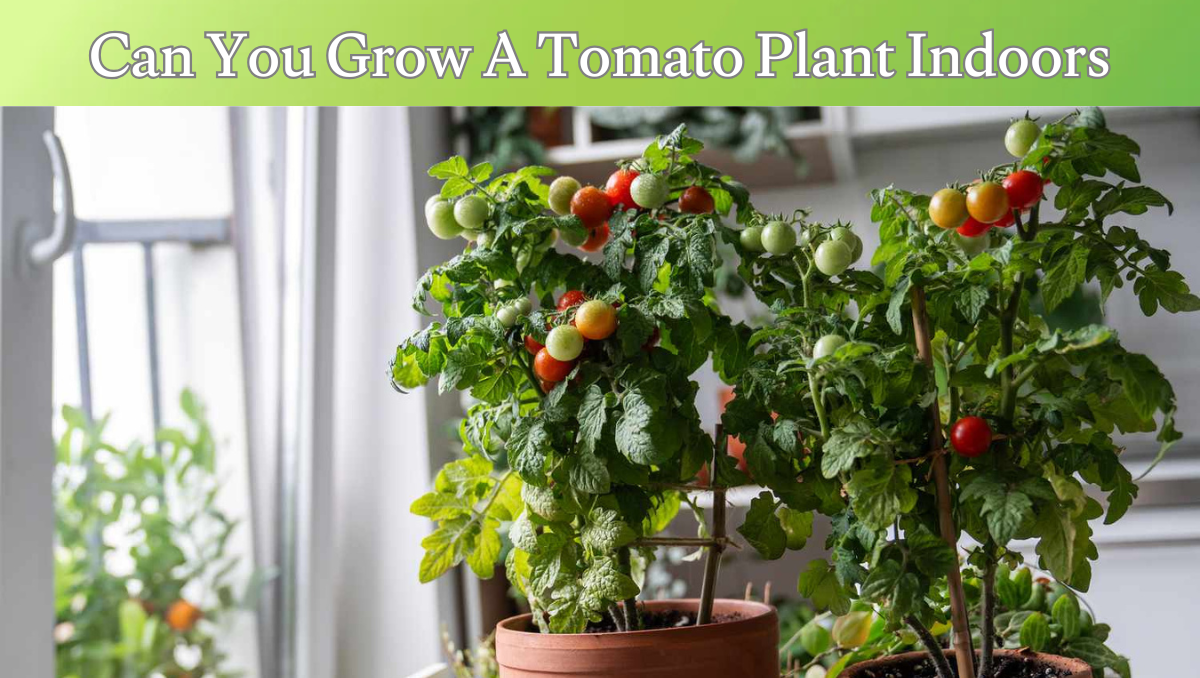
Can you grow a tomato plant indoors? Yes, you can definitely grow a tomato plant at home and it is very easy to grow, but to grow it, you need to know a few ways to grow it. The tomato method grows very well indoors as well, but it has a special procedure through which it grows. For this plant, you have to provide it with a specific temperature for this plant, a specific pot for this plant, and a specific food for this plant. Then this plant grows. If you also want to grow tomatoes, either you do not have any outdoor space to grow tomatoes or you want to grow indoor tomatoes so that you can use fresh tomatoes from your home all year round. If you live in a cold area, then you can definitely grow tomatoes in your home. If you do not want to grow crops on a large space like outdoors, you want to grow crops on a small level, then you can grow them in your home without a garden or without any place that is a field, but rather a garden or pot, etc. Key Takeaways: Indoor Tomato Growing at a Glance can you grow a tomato plant indoors? Tomato plants can grow indoors, but to grow them, you need to keep some of their key points in mind, and they can grow easily in your home. What are their key points? First of all, this plant needs a lot of light. You need to keep this plant in a place where there is a lot of light, such as a window with direct sunlight, or if you have an open garage, keep it inside the garage or keep it in a place in your home where there is direct sunlight. This plant needs a lot of water. You need to keep giving it plenty of water and you need to take care of the food of this plant. You should grow smaller and more complex tomatoes at home, which grow easily in pots. There should also be good air circulation to keep the plant healthy, because there are no insects inside the house to help in pollination, so you need to shake the plant lightly to make it grow tomatoes or flowers. Sometimes indoor-grown tomatoes or seedlings are weaker than outdoor plants. Indoor plants generally produce fewer tomatoes than outdoor plants, but with the right care they can still give you fresh homegrown fruit year-round. Also Read: Grow Ginger As a Houseplant Why People Struggle With Growing Tomatoes Indoors Many people struggle to grow plants indoors but fail because the indoor environment is so different from the outdoor environment. The biggest problem is usually the lighting, as the light coming indoors is not as strong as a strong tomato plant needs. Tomato plants need strong and long-lasting light, which is not possible indoors. That is why very few people plant tomatoes or plants indoors and very few grow. And the bigger problem is the water, because the water in the pot at home dries up quickly, so too much water is very harmful to the roots and is damaging to the plant. Many people do not even realize that tomato flowers need help with pollination indoors, which is why many flowers come but no fruit. Choosing tomato varieties that fill in quickly is also a problem because they quickly overgrow the available space. When these small but important requirements are not met, the plants look weak and grow slowly or fail to produce tomatoes. May fail or produce fewer tomatoes. Best Tomato Varieties for Indoor Growing The best tomato varieties for growing indoors are small and compact plants that don’t require a lot of space or heavy pruning. Dwarf and bush tomato varieties are great because they grow to a manageable size and do well in containers. Cherry and grape tomatoes are especially popular for growing indoors because they produce fruit more readily than larger, boxed tomatoes. Varieties designed for pots or containers usually adapt well to indoor conditions and still produce a good harvest. Avoid large tomato plants because they can be difficult to control indoors and need a lot of light and support. Starting with the right variety makes growing tomatoes indoors much easier and more successful, especially for beginners. Determinate vs Indeterminate Tomatoes (Which Works Indoors?) There are two types of tomatoes to grow at home, one is determinate tomatoes and the other is indeterminate tomatoes. If you know the difference between these two tomatoes and find out which tomatoes grow well at home, then you can grow those tomatoes at home. What are determinate tomatoes? Determinate tomatoes are tomatoes that are produced in a short period of time, which are small plants and can be grown very easily indoors, and indeterminate tomatoes are tomatoes whose plants are large, they are like vines and they produce more fruit for a long time, but they need more care than determinates to grow. They need constant light and they have to be taken care of a lot. So, in my opinion, determinate tomatoes are the right choice for you to grow at home. Best Dwarf & Compact Tomato Varieties Dwarf or complex tomatoes are the perfect choice for growing at home. Dwarf or complex tomatoes grow very easily at home because they are small and very easy to grow plants. They can be planted in pots in front of a bright light at home or under grow lights. They produce very well at home. They do not require much pruning and do not require much care. This is an easy-to-grow tomato. There is no need to plant it in a large container. It can also grow inside a small pot at home because it uses very little space. They are also less likely to become weak. They are mostly cherry or salad-sized tomatoes. Step-by-Step Guide: How to Grow a Tomato Plant Indoors Successfully Step 1: Choose the Right Container … Read more