Grow Stunning Sunflowers: The Ultimate Easy Guide

Most gardeners overlook how forgiving sunflower seeds truly are. From soil preparation to selecting varieties, every choice shapes results. Whether you prefer dwarf or tall branching types, these plants reward patient growers with brilliant blooms. Sunlight exposure, watering frequency, and smart fertilizer choices define whether your garden genuinely thrives or struggles. I’ve personally witnessed breathtaking summer blooms emerge from warm soil — proof that timing seeds correctly makes all the difference. Types of Sunflowers Sunflowers are genuinely versatile, spanning categories from towering 15 feet giants down to compact 2 feet varieties. Understanding the right type for your garden truly transforms how you plan your summer succession plantings more effectively. Most experienced growers discover that sunflowers split into single stem, branching, types focused on oilseed production, and confection groups. With roughly 70 varieties, selecting by color patterns and sizes shapes a truly aesthetically appealing garden. Also Read: How To Grow Banana Plants Indoors Single Stem Single stem sunflowers produce one remarkable bloom per plant, sometimes reaching 6 feet tall in a single summer season. They perform best when direct sown and spaced around 18 inches apart in fertile, well-drained soil. These annual plants are informally called ‘once and done‘ — they flower, set seed, then complete their natural lifecycle. As a key food source for birds and pollinators, single stem varieties are remarkably easy to grow. Branching Branching sunflowers genuinely challenge the notion that one bloom per plant is ever enough. With multiple branching stems, these types consistently produce multiple long-stemmed blooms over weeks, making them exceptional for floral arrangements throughout summer. Pinching the growing tip early triggers branching types to develop fuller, far more productive growth. Practicing succession planting from May through August delivers fresh blooms every 10 to 14 days, extending your summer display beautifully. Oilseed Sunflowers Oilseed production varieties rose to prominence across Europe in the 1970s, becoming a profitable crop grown for sunflower oil. These hardy annuals thrive in fertile, well-drained soils and dominate the world’s largest sunflower fields today. Originally native to the United States, oilseed types were bred for yield, not ornament. Commercially harvested using combines fitted with platform heads and catch pans, these cultivars minimize seed loss across extensive growing fields efficiently. Confection Varieties Unlike oilseed cultivars, confection varieties are grown primarily as a food source for humans, featuring thick-shelled, edible sunflower seeds. These beautiful, ornamental plants also attract pollinators, making them genuinely versatile in any productive garden setting. From personal experience, these summer blooming, heat loving types genuinely thrive when sown directly in late April or early May. Their cheery, bright heads make growing sunflowers a wonderful fun activity for the whole family. Soil Requirements Sunflowers are particular about soils. The ideal pH level sits between 6.0 and 7.5 — slightly acidic to neutral. Working compost into the ground with a pitchfork creates the loose, well-aerated structure their deep roots demand. Before planting, I always prepare the garden bed by incorporating peat-free compost to significantly improve drainage. Adding a slow-release fertilizer rich in nitrogen helps seedlings become established, vigorous plants that handle dry spells with ease. Sowing Seeds (When & How to Plant) Most experienced growers know that late March through April marks the ideal window for sowing. Starting indoors gives seeds a head start, especially in containers or pots when outdoor frost still threatens germinated young plants. Sow at 1.5cm depth in a seed tray with compost moist soil, allowing 10 to 21 days for emergence. A north facing window is not ideal; sunny locations with east-facing light suit best months perfectly. Also Read: How To Grow Rosemary Plants Indoors Sunlight Requirements Most growers underestimate how sunlight duration shapes the outcome. As a heat-loving crop, six to eight hours daily in a warm position or exposed garden from spring through early summer is non-negotiable for vigorous performance. What surprises many is how sunflower seedlings respond structurally to shade — tall but weak. A sheltered position from wind, paired with full direct sun, determines actual height gains and stem strength across the growing season. Fertilizing Most growers over-fertilize, damaging root systems and reducing bloom vigor. Prioritize fertility through aged compost over chemical feed. Balanced soil nutrients naturally support sturdy stalks without risking inhibit growth — especially during critical early growing stages. Testing pH level before fertilizing matters more than most realize. Sunflowers peak at 6.0 to 7.5. Work a pitchfork through rich soil — or clay loam and silty clay — before planting sunflowers to maximize nutrient absorption. Watering Watering young sunflowers demands more precision than most gardeners expect. Established plants tolerate drought, but seedlings need consistent moisture around their root zone, roughly 1 inch per week, applied deeply rather than frequently, encouraging roots downward. Overwatering creates more damage than dry spells ever could. I always water at the base, avoiding foliage entirely, using a slow trickle method that penetrates 12 inches deep, keeping soil evenly moist without waterlogging the root system unnecessarily. Pests & Problems Harvesting Sunflowers Most gardeners harvest too early — that’s the quiet mistake nobody warns you about. Watch the fall of the back petals; when the flower head droops naturally and seeds darken, your sunflower signals it is genuinely ready for collection. Cut stems during dry morning hours, leaving enough length for handling. Hang bundles upside down in a ventilated shed for curing. Fresh food-grade seeds need two weeks of drying before storage — these tips protect quality and prevent devastating mold development. Companion Planting Companion planting with sunflowers creates a thriving garden ecosystem where plants mutually benefit each other. Experienced growers understand that strategic placement reduces pests while attracting beneficial insects, making every planting area naturally productive and beautifully balanced. Sunflowers act as a natural trap crop, drawing squirrels, snails, and slugs away from vulnerable plants. This protective role, combined with attracting bees and butterflies, transforms your garden into a self-regulating, wildlife-friendly growing environment that benefits surrounding plants tremendously. Pinching Branching Sunflowers (Growing On / Care Tips) Most gardeners overlook pinching as a technique, yet it … Read more
Grow Your Own Peach Tree From a Tiny Seed (Easy!)

My experience germinating peach seeds started with a ripe peach from a local farmers’ market. After eating the fruit flesh, I chose to plant that pit rather than discard it, beginning an unexpectedly rewarding journey. Understanding cold stratification and the germination process can transform a peach seed into a truly thriving peach tree. Being patient matters, since producing fruit typically requires 3 years to 5 years of dedicated, consistent care. How to Extract / Prepare the Seed from the Pit The peach pit hides a delicate seed beneath its tough hard outer husk. Carefully crack it open using a nutcracker, exposing the extracted seed. This critical step keeps peach seeds undamaged and ready for planting. Once the inner seed is freed from its shell, rinse off all remaining fruit residue. Wrap it in a damp paper towel, then seal inside a sealed plastic bag — an essential move before cold stratification. Also Read: Right Way To Grow Tulips Plant At Indoor Cold Stratification Cold stratification replicates the natural winter dormancy that every peach seed demands before it can germinate. Wrap your stratified pit in a damp paper towel, seal it, and refrigerate for 4–8 weeks until sprouting begins. Insufficient stratification time is the top reason seeds fail. Keep the environment consistently cool, check for seed drying out, and ensure the inner seed stays intact. After 4 weeks, a small root may already emerge. Planting the Peach Seed After the cold treatment phase, once a white root appears, carefully plant the stratified peach seed into well-draining soil about an inch deep. Keep the container somewhere warmer and brighter to encourage early seedling development. Most gardeners miss this crucial step: germination rates improve significantly with moist peat moss mixed into potting soil medium. Position the radicle tip downward, cover lightly, and avoid waterlogged conditions that rot the seed kernel. How to Plant Peach Seeds (Step-by-Step) Crack open the hard outer shell using a nutcracker or vise, carefully exposing the almond-shaped kernel inside. Then refrigerate it in moist sand at 34–42°F for 8 weeks before transferring to potting soil for germination. Once your seedling reaches several inches, transplant to the ground in full sun using well-draining soil at pH 6.0 to 7.0. Water deeply, then begin staking the young tree for support its first growing season. How Long Does It Take for a Peach Seed to Sprout / Germination Timeline After cold stratification for 12 weeks inside a refrigerator, the peach pit slowly begins to germinate once exposed to warmth. This chilling period effectively breaks dormancy, mimicking winter conditions so the embryo can sprout naturally. Once sprouted, the seedling needs a warm area with bright indirect light and consistently moist conditions. Depending on variety and temperature, the germination window spans a few weeks, so monitor moisture levels and check weekly. How Long Until a Peach Tree Bears Fruit Most peach trees grown from seed require patience — from 3 years to 5 years before producing fruit. Unlike grafted trees, starting from seed extends timelines but builds a healthy, productive tree for long-term backyard success. Nursery-bought grafted trees typically fruit within 2–3 years, outpacing seed timelines quite significantly. For those experimenting with new varieties, the extended wait remains rewarding — consistency in caring and preparation eventually yields a juicy, ripe harvest. Will the Fruit Be the Same as the Parent Tree? Most seed-grown peach trees will ultimately disappoint orchardists expecting identical fruit matching the parent tree — seeds carry cross-pollinated genetics. Each named cultivar planted from a pit risks producing smaller, tarter, or unexpectedly delightful varieties altogether. Grafted nursery trees guarantee predictable fruit quality, but grown from seed, outcomes will always vary. Hardiness and vigor often improve. Seed-grown peach trees sometimes yield sweeter, unexpected harvests — bearing fruit true-to-type remains entirely nature’s decision. Caring for Peach Trees Sandy loam soil paired with proper air drainage drastically reduces frost risk near your planting site. I’ve seen blossoms destroyed overnight by late spring frosts simply because airflow was completely ignored around the peach tree. Mature trees demand 1 inch of water per week during the growing season, but young trees thrive with deep watering once or twice a week. This steady rhythm builds drought resilience before fruit-bearing age arrives. Also Read: How To Grow the Sunflower Plants Peach Seedling Care True leaves emerging on a seedling signal the shift from bare survival to healthy growth. Keep the sunny spot consistent and soil consistently moist — never waterlogged — to encourage the strong root development proper care demands. Before transplant to a permanent outdoor location, I always wait until outdoor temperatures fully stabilize past the last frost. Adequate sun — at minimum 6 hours of direct sunlight daily — separates thriving seedlings from struggling ones. Types of Peach Peaches broadly split into freestone and clingstone varieties. Freestone types are preferred for backyard growing since the flesh separates easily. Clingstone peaches, sweeter and juicier, dominate commercial production but prove harder to harvest by hand. Low-chill varieties suit warmer climates, especially zones 8–9, requiring far fewer chill hours. Grown locally, peaches adapted to your area outperform grocery-store peaches in flavor, while spanning USDA hardiness zones 5 through 9 very reliably. Growing Conditions Peach trees demand full sun — 6 hours to 8 hours of direct sunlight daily. Well-drained soil is non-negotiable; soggy roots invite rot. During the growing season, consistent water keeps young trees establishing strong, productive foundations. Mature trees tolerate dry spells better but still need regular watering — roughly 1 inch per week. Planting in early spring in a spot with good air circulation reduces disease pressure and supports new growth effectively. Common Pests and Diseases How to Harvest Peaches Harvesting peaches from a well-pruned tree structure rewards careful attention to color and fragrance. When fruit yields gently to pressure, it signals peak ripeness — sweet, ready, and worth every patient season of nurturing and care. Freestone types release flesh cleanly; clingstone varieties grip slightly tighter. Thinning excess fruit in late spring produces larger, healthier peaches. … Read more

Grow Lush Ginger Indoors: The Ultimate Easy Guide

Most people think ginger belongs only in kitchens — chopped or grated into food. Yet this remarkable plant, deeply rooted in tropical rainforests, thrives surprisingly well indoors, rewarding careful growers with rhizomes and balanced moisture discipline. I first attempted indoor ginger during a bitter winter, skeptical it could survive. Knowing its preference for warm and humid conditions, plus a trusty portable container, transformed my windowsill into a thriving tropical locale garden. When to Grow Ginger Most gardeners overlook timing entirely. Ginger, a tropical plant, thrives only when warm, humid conditions align with sprouting potential. Indoor cultivation smartly bypasses frost restrictions, making early spring the most ideal start for perennial growers. Rhizome activity slows naturally during autumn. Growth begins once temperatures stabilize around 75 to 80 degrees, demanding patience. Starting in a pot before dormancy ends gives ginger its best window for a productive growing season. Also Read: Grow Hop Plants Fast: Ultimate Guide How to Plant Ginger Root Selecting a firm, plump ginger root from nurseries or garden centers matters far more than beginners realize. Those small nodules — budding eyes and nodes — signal active growth buds, determining how well your plant establishes indoors. Buds pointing upwards, place fat chunks about 5 inches apart in a shallow wide pot with drainage holes, covering them with 2 inches of potting mix. Filtered indirect sunlight keeps early roots developing without stress. Step One – Buy a Rhizome of Ginger Sourcing a plump, firm rhizome matters. Skip conventional ginger from the supermarket — chemicals and growth retardant coatings cripple eye buds. Instead, choose organic ginger root from seed companies or local farms for reliable sprouting indoors. Step Two – Soak Them in Water Soaking your organic ginger root overnight in lukewarm water helps flush out pesticides, fungicides, and any growth inhibitor coating conventional ginger. This activates dormant nodules, priming the rhizome for vigorous, healthy sprouting within a day. Step Three – Break Your Ginger into Pieces Breaking the ginger rhizome into small pieces with a sharp knife ensures multiple buds stay intact. Each chunk placed in separate pots should have clear sprouting buds visible, guaranteeing every division has strong growth potential. Step Four – Place in a Pot or the Ground Settle sprouting buds in a shallow wide pot filled with rich potting mix, covering with 2 inches of potting mix. Position near a south-facing window where filtered indirect sunlight best supports steady rhizome development underground. How Long Does It Take to Grow Ginger? Ginger is a slow grower by nature. Under optimal conditions with proper soil temperature around 75°F, shoots emerge in 2 to 4 weeks. Any cold setup easily delays the sprout, pushing timelines toward 50 days. From sprout to harvest, expect 8-10 months for mature ginger or 4-6 months for baby ginger. The growing period relies on warmth, humidity, and growing conditions — factors determining whether rhizomes develop fully beneath the soil. Caring for Your Growing Ginger Root Filtered sunlight and indoor light give ginger what it needs. Keep soil moist but not soaking to avoid root rot from overwatering. Spider mites thrive in dry air — water lightly and maintain consistent moisture always. Foliage yellowing signals cooler weather stress or waterlogged soil. Use a humidity tray, check drainage, and reduce watering during colder months. New growth resumes once soil temperatures stabilize — minimal care keeps your container ginger healthy. Also Read: How to Grow Plants Indoor Top Tips Common Problems You May Face How To Harvest Ginger sharp scissors at the edge let an established plant continue growing while you remove pieces from the outer edge; I favor a partial harvest after 3-4 months, then re-cover the rhizome and leave the stalk for quick recovery time.After lifting, dry the roots, peel if needed, and store them in a sealed brown paper bag or refrigerator. For long-term storage, use freezer, airtight wrapping, or freeze unpeeled pieces; they stay fresh for several weeks and many months. How To Grow Ginger Root At Home Successfully Ginger polytunnel setups can create the optimum growth environment for this crop. I’ve found that steady warmth, not fuss, leads to a successful harvest; even inedible ginger stays safer when you guard moisture carefully. A greenhouse supports vigorous growth by mimicking a tropical environment with balanced moisture and controlled climate. Indoors, I keep the rhizome near light, then wait patiently as the plant responds with strong, usable shoots and cleaner flavor. Also Read: Grow a Cashew Tree Indoors? That’s Nuts! Growing Ginger As A Year-Round Houseplant For How Long Does It Take for Ginger to Sprout? I usually expect 2-3 weeks, though 8 weeks happens too; the first shoots popping up depend on warmth, medium, and the rhizome’s freshness. For How Often Should I Water My Indoor Ginger? I let the soil feel dry, then mist to recreate a tropical environment using a spray bottle. For What Kind of Pot Is Best for Growing Ginger Indoors?, choose wide pots that accommodate growth; ceramic, 1 gallon, or self-watering planter options work if they allow horizontal spread. Conclusion Though the ginger plant grows slowly, patience rewards you with fresh harvests every few months. In my warm indoor light, I’ve watched leaves fade before growth resumption, signaling another harvest time and renewed sense of pride. I keep compost, water regularly, and move indoors as autumn temperatures drop. Even in warmer months, my off-grid homestead kitchen fills with delicious aroma, reminding me how farmers once cultivated this humble root vegetable through ancient civilisations with deep care and attention.

Grow Hop Plants Fast: Ultimate Guide

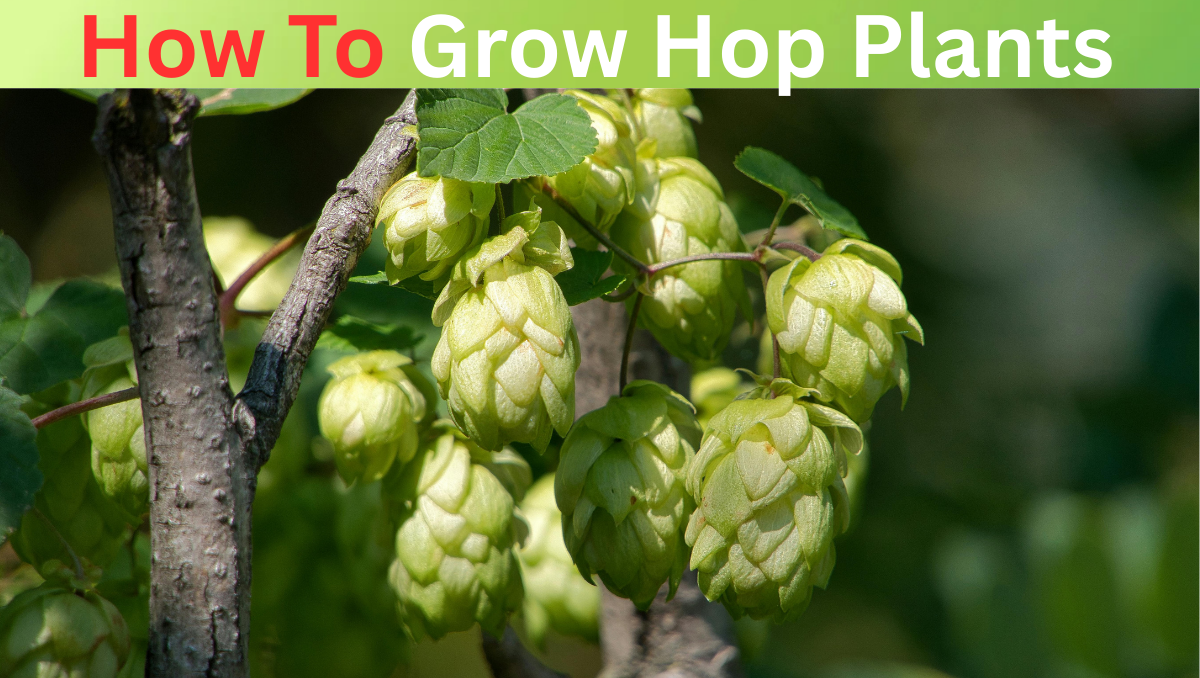
Most gardeners overlook that Humulus lupulus is a dioecious plant — only female plants produce strobiles used in brewing. Truly understanding this perennial plant’s biology, from rhizomes to crown, shapes every key decision in successful cultivation. Before selecting a variety, consider your growing region, soil type, and full sun availability. Hop production demands patience — first year bines rarely impress, but by year three, vigorous growth and flavor complexity become genuinely remarkable. What Are Hop Plants? Humulus lupulus, a perennial plant from the Cannabaceae family, grows as bines across North America and western Asia. These vigorous growing climbers naturally produce seedless cones long used in beer and alternative medicine for decades. The female plant develops papery hop bines that reach 20 feet, thriving well in USDA zones 3 to 8. Each crown survives frost at -20°C, storing energy underground and fueling reliable harvests through early September. Also Read: How to Grow Plants Indoor Hop Varieties Cascade, Centennial, and Saaz remain essential picks among homebrewers worldwide. Aromatic varieties such as Willamette and Mt. Hood balance bittering with rich aroma, while Chinook and Nugget consistently thrive across craft breweries and home gardens. Dwarf variety options suit small footprint gardens well. Mildew-resistant and disease-resistant cultivars like the American Cluster variety deliver high productivity when started from same-cultivar hop rhizomes sourced reliably from a reputable supplier across different varieties. Location / Where to Grow Growing hops demands full sunlight — at least six to eight hours daily. Regions like the Pacific Northwest, Oregon, Vermont, and New York offer mild summers and cool winters that naturally support a long growing season. Vines require substantial vertical space, ideally near a sturdy trellis system or wooden beams. A well-drained, loamy site with reliable irrigation system access keeps roots sufficiently moist without creating swampy conditions that harm plant vigor. Soil Preparation Loose soil ensures roots spread freely—something commercial growers rarely discuss. Work in well-rotted organic matter, compost, and manure before planting. Adequate drainage prevents waterlogging, while balanced nitrogen, phosphorus, and potassium levels prime the ground. A narrow trench dug into well-drained soil with pH around seven creates ideal conditions. I add one inch compost annually. Sandy bases need extra organic matter to retain soil moisture and support root system development. Planting Rhizomes planted carefully in early spring thrive best in well-draining soil enriched with organic matter. Space them 5 feet apart, 1 foot deep, beneath a sunny spot that receives at least 12 hours of daylight. Place each rhizome horizontally with buds facing up, then carefully cover with compost and a thick mulch layer. This supports root growth while nutrients from well-rotted manure fuel the season’s top growth toward the trellis. Fertilization / Feeding Rich soil alone won’t sustain heavy bines. Spring nitrogen drives prodigious growth, while well-composted organic matter replenishes depleted ground. Many growers overlook potassium’s crucial role in alpha acid yield and cone quality during late summer. Nutrient uptake depends heavily on pH level — keep it between pH 6.0-7.5 for optimal absorption. Sandy loam feeds differently than clay; adjust your feeding schedule based on soil test results and growing season demands accordingly. Growth Training & Trellis Support Rambunctious vines need daily guidance onto trellis wire and twine. Train each shoot to climb clockwise, using tiny hairs to naturally grip. Vertical space of 20 feet keeps side arms spaced and air circulation optimal. Commercial hop yards set rows at 1.50m spacing, with 6 m tall structures overall. Vine extension reaches overhead by mid-summer. Each charismatic climber grips vertically, directing lateral growth and ensuring full productivity throughout growing vines. Watering Deep irrigation once weekly suits most hop gardens, but warm dry weather forces more frequent cycles. Watch the soil surface closely — established plants signal drought stress through wilting leaves long before crowns show underground damage. Good draining soil paired with two inches mulch regulates moisture around hop roots. Wet weather invites fungi and disease in moist zones, so ensuring drains well conditions prevents rotted crowns — something organic mulches handle effectively. Common Diseases & Pests Most growers underestimate how rapidly disease development escalates once mildew grips a dense hop canopy. Proactively selecting mildew-resistant varieties remains the smartest early defense in humid growing regions where diseases quietly devastate entire seasonal harvests. Caterpillars, butterfly larvae, and moth feeding typically cause cosmetic damage rather than critical harm. Still, disease prone plants face compounded vulnerabilities — tackling pest pressure alongside airflow improvements remains how seasoned growers effectively prevent diseases year-round. Harvesting Hops Experienced growers learn to trust the vines instinctively — true harvest readiness shows when moist inner cones compress and bracts rebound firmly. That late August window produces a harvest bounty of freshly-picked hops with brittle perfection. Testing each cone at its central stem using the fold in half method — listen for that definitive snap. Measured yield often reaches one to two pounds per bine, confirming the plant’s natural flavor stabilizer potential. Drying & Storing Hops When dried cones feel papery and snap cleanly, the oast has done its job. Lupulin glands preserve resins and oils that define your homebrew — rush this step, and you’ll sacrifice every trace of yellow powder. Sticky dried hops sealed in a plastic bag with expelled oxygen store remarkably well. A refrigerator preserves scented resins far longer; skipping this invites a rancid, pungent smell that ruins your dry hopping additions permanently. Also Read: How to Grow Tulips: Planting, Care, and Tips for Vibrant Spring Blooms Hop Vine Care Pruning lower leaves within the lowest four feet dramatically boosts light penetration and air circulation. Lateral branches left unchecked invite mildew, stunting masses of flowers. Smart hop canopy management separates mature plants from stunted ones. Two or three shoots per main stem are trained clockwise on trellis wire during budding, never left to creep. Clearing side branches protects foliage, and managing secondary shoot growth sustains robust vine performance each season. Winter Care Hardy hops enter dormancy after dying off above ground, yet the underground stem stays alive. Even at -4°F, extensive root structure … Read more

How to Grow Plants Indoor: Ultimate Easy Guide for Healthy, Lush & Thriving Plants

Houseplants redefine what a home can feel like. Managing light conditions, soil, humidity, and water transforms any indoor space, whether a compact apartment or a sprawling house, into a living, breathing sanctuary of healthy growth. I’ve grown succulents right beside tropical philodendrons and slowly learned that every plant communicates through leaves, roots, and color. Understanding photosynthesis, drainage, temperature, and nutrients builds reliable instincts — not just guesswork — about plant health year-round. Light Most beginners overlook how light shapes plant survival beyond growth. Bright indirect light suits foliage varieties well, while direct sunlight fuels flowering. Understanding native habitat helps position plants near windowsills or supplement with grow lights. Dormancy cycles show light isn’t constant—winter shortens the photoperiod, triggering rest in many species. Stomata respond to intensity, affecting transpiration and metabolism. Rotating your planter pot corrects crooked growth habit and ensures balanced development. Water / Watering Overwatering silently destroys more houseplants than neglect ever does. Root rot begins in soggy soil long before wilted leaves appear. Always check moisture first—a finger an inch deep reveals far more than any schedule. Flushing with warm water monthly clears calcium deposits and salt buildup. A saucer beneath catches excess runoff but should never hold pooled liquid—roots quietly reabsorb that trapped moisture, and the cycle invites root rot. Soil Potting soil quality determines plant success more than most realize. Well-draining soil mixed with compost and clay balances organic compounds against inorganic elements, providing roots with the right retention and aeration needed for sustained growth. Repotting into fresh potting soil mix actively prevents both fungal disease and slowed growth. Adding calcium, magnesium, and micronutrients replenishes depleted nutrition. Always sterilize old containers using bleach and soap before reuse, protecting fragile seedlings. Potting / Choosing a Container Terra cotta and plastic pots always behave differently — one governs moisture retention and aeration, the other traps warmth. Choosing wisely between them determines whether your tropical varieties, cacti, or orchids genuinely flourish long-term indoors. Drainage holes matter more than aesthetics. Pairing well-draining potting mix with the right container — sized just one pot size up — prevents fungi, mold, and pests while giving roots structured upright space to truly thrive. Fertilizer / Feeding Most gardeners underestimate how nutrients shape physiology—bloom intensity and growth consistency both depend on timely fertilizer use. During the growing season, compost and organic matter in your soil mix deliver bio-available fuel for perennials. Spring triggers a shift in plant energy—organic-based fertilizer and plant spikes feed bulbs and vegetables steadily. Scaling back during the non-growing season keeps roots healthy, allowing summer bloomers to return year-after-year with remarkable vigor. Humidity Misting creates localized air moisture that helps transpire through leaf pores, reducing leaf curl risks. Tillandsia and air plants thrive when soaking replaces standard watering, especially in kitchen or bathroom spaces with natural humidity fluctuation. Cold drafts near drafty windows consistently sabotage humidity balance, particularly harming prayer plants and Calathea significantly. A small fan promoting air movement beside pebble pots filled with water sustains localized ecosystems while deterring diseases effectively. Grooming Regular grooming keeps plants thriving by removing brown leaves, yellowing leaves, and shriveled growth that slowly drain energy. Wiping dust from well-formed leaves weekly improves air circulation while revealing hidden insect pests on older stems. Droopy or mushy stems signal neglect — grooming teaches you to observe appearance changes early on. I treat mealybugs and scale insects on sight, before damage spreads and compromises otherwise vibrant growth across your indoor garden. Pruning Most growers underestimate how timely pruning redirects energy toward buds and well-formed leaves. Cutting back elongated stems on pothos reliably prevents spindly growth; snipping just above a node encourages compact, vibrant growth in any houseplant. Rubber plants and Ficus elastica respond well to pruning during warm months, away from dormant states. Wiping cut ends with lukewarm water prevents milky sap hardening, keeping both the wound and surrounding well-anchored stems clean. Repotting Repotting demands more than just choosing a new terracotta pot — it’s a reset. Move one pot size larger, refreshing with perlite and potting soil to guarantee free draining conditions that prevent root rot and suffocation. Drainage holes matter more than container aesthetics. I always rinse new terracotta planters with distilled water to flush salts first, then layer peat, vermiculite, and cocopeat for a lightweight, breathable mix that roots genuinely love. Growing From Seed Seed germination is not passive. A seedling needs sterilized seed starting soil, not garden soil, to safely emerge. Humid conditions with steady warmth are the real triggers — not just a seed tossed into loose dirt. Seed sowing in plastic flats reduces fungus gnats compared to open trays significantly. Seedling growth accelerates when you germinate seeds with consistent temperature and record keeping — logging every date a seed begins to crack open. Choose Healthy Houseplants Selecting healthy houseplants requires examining firm stems, lush foliage, and clean roots before buying. A first-time plant parent should skip finicky species and choose forgiving, easy-to-care-for varieties that naturally thrive with minimal care at home. At the garden center, carefully inspect leaves for spider mites, yellow leaves, or sticky substances — clear early signs of infestation. A thriving, low-maintenance pick protects your indoor greenery and fills your space with genuine happiness. Complement Your Decor Houseplants radically transform home decor in ways furniture never could. Vibrant leaf hues of Chinese evergreen complement neutral walls, while Monstera’s bold green leaves elevate end tables into curated focal points of genuine lasting beauty. Variegated arrowhead vine and purple tradescantia with lance-shaped foliage build atmosphere, introducing color and texture designers charge thousands replicating. Trailing peperomia on bookshelves or a dracaena bearing spiky, strappy foliage completes indoor decor vision effortlessly. Air / Ventilation  Dry air quietly damages indoor plants before you notice it. Water vapor levels drop during winter months, causing leaf curling, yellowing, and even bud drop. Keeping the humidity range at 20-30% safeguards plant cells effectively. Grouping plants together naturally boosts local evaporation, raising surrounding air moisture levels significantly. Place a humidity tray filled with pebbles or polished … Read more

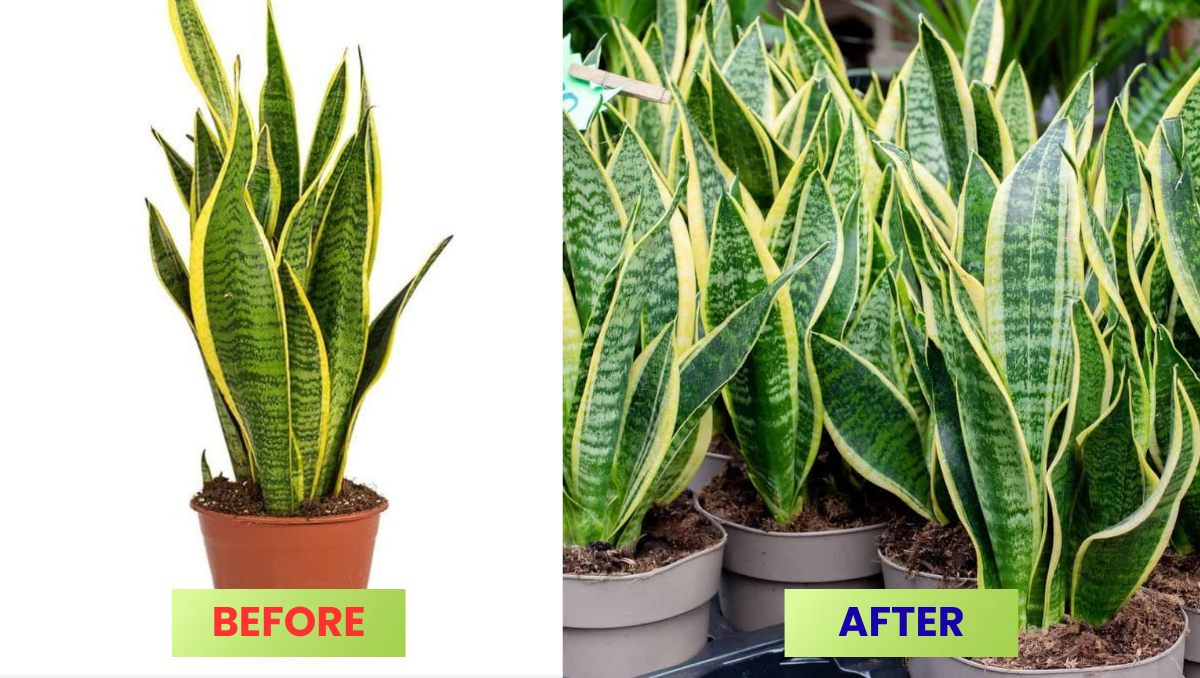
How To Grow Snake Plant At Home – The Easiest Indoor Plant Anyone Can Grow!

How To Grow Snake Plant At Home

Will You Know How To Grow Snake Plant At Home? Having a snake plant in your home should be at the top of your list. They are great for beginners because they grow well in any lighting conditions and don’t need to be watered frequently, usually two to three times a week. Grow snake plants indoors in bright, indirect light with good drainage from pots of potting mix and occasional watering only when the soil is completely dry. Low maintenance, drought tolerant and thrives in above-average temperatures. Easily propagated by leaf cuttings or by dividing the plantlets in soil or water. Here’s The Gist Of It Below is what you really need to know to maintain a healthy snake plant. Also Read: Mango Tree Care Guide: Tips for Growing Healthy Mango Trees in Your Garden Why Snake Plants are the Absolute Coolest Snake plants, often referred to as drag queens by their new genera, are widely considered to be among the best and most versatile houseplants. They are loved for their stunning, architectural sword-like foliage that fits perfectly into modern decor while offering incredible low-maintenance and health-boosting benefits. Snake Plant Varieties There are many types of snack plants, here are some of my favorite types: Black Gold Or Black Jac Black Gold and Black Jack are the most common types. When you think of snake plants, many people usually think of the types that wilt with a yellow flush on the outer edges of the leaves. Black Robusta Or Futura Robusta The Black Robe Star and Phytora Robe Star are a type of dark green snack plant with light stripes running horizontally through the leaves. Golden Hahnii Four bird’s nest sizes are a different type of family of succulent plants where the small leaves bend back and take the shape of a bird’s nest, which is why it is also called bird’s nest size. Cylindrica Plants Cylindrica snake plants are very cold hardy, the leaves are thick, round and very strong with a hard skin, and they themselves come in a few different varieties. Anatomy of a Snake Plant Snake plants are known for their long blade-shaped leaves. The green color on them is usually muted and when they are healthy they stand upright in the air. They always remind me of Honeysuckle the Kid because they look like large blades of grass. The roots of snake plants are called rhizomes. This means that there can be several root systems at once. They are easy to divide and will spread when planted outdoors. The roots are very shallow, especially considering how tall the plant can get. Also Read: How To Grow Hop Plants – Why Hop Plant Can’t Grow! Soil For Your Snake Plant They don’t worry too much about what kind of soil you use. You don’t need to plant them in indoor potting mix or soil. In fact, you can probably grow whatever you have outside and it will be fine. However, I like to mix half garden soil and half potting soil with rocks to create a great natural drainage system for the plant and it is extremely beneficial for the plant. Sunlight For Your Snake Plant Snake plant is a very low maintenance houseplant. It is a drought tolerant plant like crickets and watering is infrequent and only when the top two inches of soil are bone dry. Can you water it again? I check every two weeks. Water with a room temperature water to avoid scaring the leaves. Plants, like humans, need nutrition. The best fertilizer you can use is Happy Happy House Plant Plant Food. This is life changing. It comes in a cute bottle that you can keep on the counter and you water it outside as you use it over and over again. You will never forget to feed it because it is so consistent and it is an absolute miracle. The new growth is so much. Potting Your Snake Plant When it comes to snake plants, smaller pots are better. They grow quickly in a small pot because they like a crowded root system. Most plants will come in fairly thin black plastic pots. As the root systems become more developed, they can break and even break the plastic pot. If you need to remove the plastic pot from your plants without damaging the roots, take a pair of scissors and cut the pot away from the root system. Pruning Tips In some cases, you need to prune the snake plant. It grows too much and grows out of control and its leaves start to turn brown. In these cases, it is necessary to prune it regularly. Here are some tips for pruning: When you cut the Stalk, it will ooze a little and this goo is mildly poisonous, avoid eating it. Cut damaged or dropping leaves near the base of the plant. Don’t throw these cuttings away!! They can be propagated into new snake plants!  Comman Mistakes To Avoids You should avoid the following mistakes when growing snake plants at home: Also Read: Why Marigold Plant Can’t Grow At Home – Easy Guide To Grow Marigold Plant Final Thoughts Snake plants are one of the most resilient houseplants that are often neglected and neglected, ensuring that they not only survive but actually thrive and grow. The ultimate idea for their care is to mimic their native dry environment. Above, you have been told how to grow a snake plant in completely simple terms. You can easily follow them and grow a snake plant at home and enjoy this unique hobby that you will find quite enjoyable.By providing adequate water, light, and proper care, you can easily grow a snake plant indoors or outdoors.

How To Grow Hop Plants – Why Hop Plant Can’t Grow!

how to grow hop plants​

Yes, today I will tell you the easy way to how to grow hop plants​. When I started growing a hop plant at home, I started by providing it with adequate sunlight, adequate amount of soil, fertilizer, proper nutrition, and proper care and attention. And in return, I got a very good, healthy and strong hop plant. Hop plants are actually considered low-maintenance and low-maintenance plants. When I grew your plant at home, I had to give it very little care and attention. That’s why they are initially very friendly to grow indoors. When you get their basic care right and provide them with the right light, adequate water, well-drained soil, and the right type of fertilizer at the right time, and with a little attention to temperature and humidity, you can enjoy a healthy, green, flowering plant that will help you enhance the beauty of your home to a great extent. Growing Hop Plants From Seed To grow a hop plant at home, it is very important to choose a healthy and strong seed. One of the important factors is the process. First of all, choose good seeds. This will have a great impact on the growth of your plant. Get seeds from a reliable supplier or get a labeled seed packet from a reliable nursery or a labeled seed packet.Always use good quality seeds. Good quality seeds improve the growth of your plants. Always buy seeds from a reliable supplier or nursery and check the company label on the seed packet. Be wise when buying seeds. Buy seeds that are not damaged. Choose the Right Plant Variety Choosing a location plays an important role in the optimal growth of the hop plant, and location is very important for the optimal growth of the plant.Hop plants come in many varieties with different shapes, leaf sizes, and numbers of blooms. Some varieties grow in complex, bushy clumps, while others are beautiful in hanging baskets.When I grew a hop plant at home, I chose a home-grown variety, which proved to be very good for my plant and excellent for growth.When you grow a hop plant in your home, always choose the best and best variety that can be grown indoors so that you don’t have to face any problems. Select the Perfect Location Hop loves indirect light, meaning partial shade, and doesn’t grow well in too much direct sunlight, so avoid placing it near a south-facing window. Although a little direct sunlight is fine, it likes the soft morning and evening sun, which helps the leaves grow. If the leaves start to droop, become smaller, or the plant’s growth slows, it may need more light. If the leaves are looking very yellow, they may need less light. A little extra attention to your green friend will help it to spread out and flourish. Also Read: https://www.hopkinsmedicine.org/health/wellness-and-prevention/ginger-benefits Use Well-Draining Soil Peperomia Hop isn’t super picky about its soil. Choose a well-draining mix to prevent root rot and overwatering. We recommend mixing PLNTS potting soil with perlite and some organic matter like coconut fiber. This helps with air circulation around the roots and keeps the soil lightly moist. Peperomia isn’t too sensitive about soil pH but grows best with a pH of 6.0-7.5. Water Properly (Avoid Overwatering) Hop plants don’t need a lot of water and prefer to dry out a bit between waterings. Make sure the top two to three centimeters of soil is dry before watering again. This helps prevent rotting and root rot. Watering once a week is usually enough. Check the soil with your finger between waterings. If it’s dry, water it. If it’s still damp, wait a little longer and make sure there’s no water left in the pot. Hops go into a kind of hibernation in the winter, so they need less water right now. Maintain Ideal Temperature & Humidity Hop plants do not need very high or very low temperatures for optimal growth. They are always happy in moderate temperatures and grow best. They are usually happiest at normal room temperatures between 16 and 24. They do not like extreme temperatures that are too hot or too cold, so keep them away from drafts. Always avoid placing them near an open window or in a cold bedroom. As a forest plant, they enjoy high humidity. Place a small cup of water on your radiator and occasionally mist your plant with a spray bottle to treat your green friend. Misting your hop will help reduce dry air and prevent it from developing brown edges and spots or curled leaves. It also helps to keep dust out and fight insects. In addition, regular misting sessions are very helpful in making the plant look shiny and is a very important process for hops. Here is how it has worked for me all along.Always avoid placing the plant in too much sun or too much shade and never place the plant near a shady building where it will experience any obstruction to light. Always place it in the right amount of light where its growth is optimal.Always avoid direct sunlight as it causes the leaves of the plants to burn. Fertilizing for Healthy Growth Fertilizing your grow-up plant at home plays an important role in keeping your plant healthy and strong. Fertilizing is important, so it should be done properly. During the summer months, apply a balanced amount every four to six weeks and thin it out until it is strong. Do not let too much fertilizer accumulate. This can cause the plant to turn yellow and face many problems, and the growth of your plant may also slow down. Always provide the right amount of fertilizer at the right time and mix it well so that the plant gets the nutrients it needs to bloom and does not hinder its growth. Pruning & Repotting If you are growing a poppy plant at home, timely pruning is one of the important factors. When I grew my poppy plant at … Read more

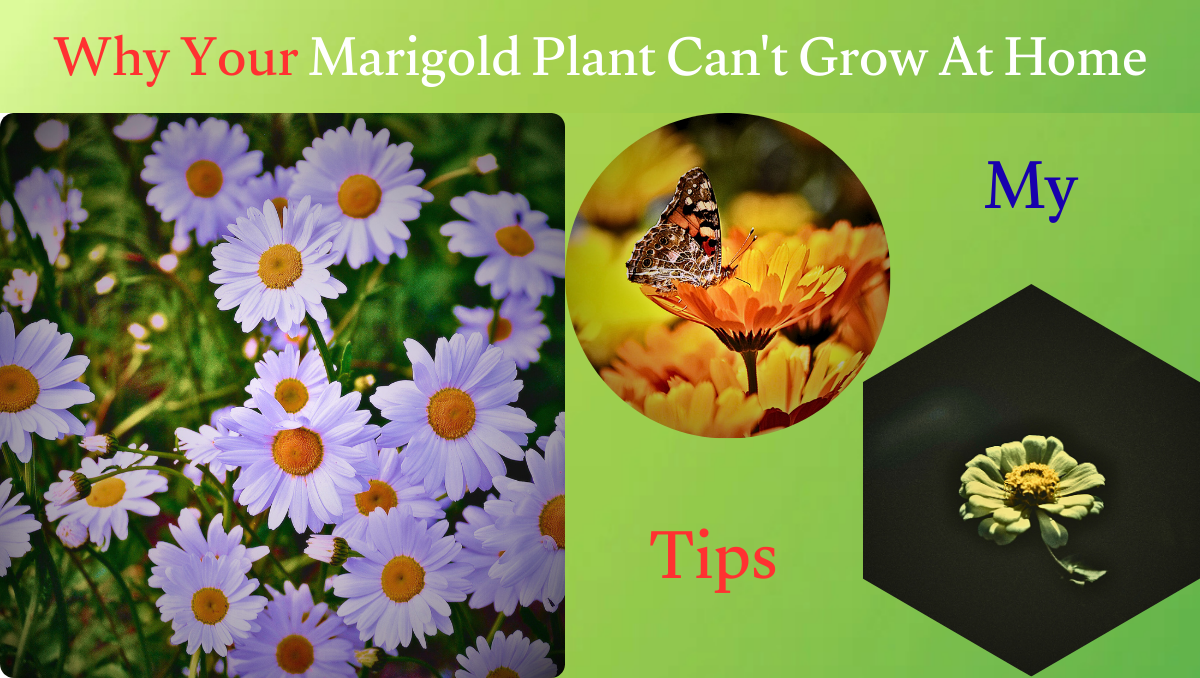
Why Marigold Plant Can’t Grow At Home – Easy Guide To Grow Marigold Plant

Why Marigold Plant Can't Grow At Home

Marigold has always held a special place in my eyes, not only because of their vibrant yellow color, but also because of their flexible, resilient properties.They grow in spring and autumn, and in autumn they look even more beautiful and pleasing to the eye.Growing a MariGold plant in your garden is a very easy and straightforward process, and it will grow in about eight weeks and will fill your garden with beauty.The MariGold plant is a charming and eye-catching plant.And this plant is also great for your vegetable gardens because it also prevents pests from attacking. In this article, I will tell you the complete method of growing Marigold plants, how you can grow it inside your home and enjoy its beautiful view. Why You Grow Marigold Plant You might be wondering why the MariGold is such a popular plant among gardeners. It is so popular because it is so attractive and pleasing to the eye, and it is very easy to grow. It is great in your vegetable garden because it keeps pests away and it is known for its beauty and beautiful colors. Ever since I have grown the MariGold plant in my garden, it has also reduced the number of pests in my garden. Sometimes I forget to water it or I am not able to take good care of it, but then this plant has been growing very well in my garden. Also Read: Rose flower Growing Marigolds in Containers If you have limited space in your home or you want to plant flowers in your yard, you can grow it in a small pot and it grows very well in a pot too. Below are some points that you can follow to grow your MariGold plant in your pot: The MariGold plant not only beautifies your home but also provides the flexibility to move your pots around. Types of Marigolds Now that we have decided to grow the MariGold plant at home, let’s talk about which varieties are best for growing at home. Each variety has its own characteristics. We will discuss some varieties here: Dwarf Marigolds This is a special type of marigold that is found in complex varieties that are best suited for container gardens and indoor pots. They require minimal space and are continuously blooming with proper care. They require very little maintenance to grow well. African Marigolds (Tagetes erecta) This variety of MariGold always grows in groups and its plants are about three feet tall and its flowers are large and yellow in color and beautiful and it likes dry temperatures and needs full sun to thrive. French Marigolds (Tagetes patula) French MariGold is more complex than the African variety. This variety usually has flowers that are 12 inches long and is bushy. Its flowers are small and range in color from yellow to deep red. French Marie Gold is very popular for its long blooms that can last well into the Autumn season. Signet Marigolds (Tagetes tenuifolia) Signet marigolds are slightly different in appearance and have attractive flowers that have a lemony scent and a mild lemon flavor. These marigolds are often used in salads because of their small, edible petals, which add spicy and citrus flavor. When to Plant Marigolds Good timing is everything when growing MariGold from seed: Spring Planting Marigold plants mostly bloom in late spring and should be planted in late spring. These flowers bloom in summer, so you can plant them in late winter, or if you live in a very warm area, you can plant them in early March, so you can enjoy the flowers of these plants in summer.You can start planting and sowing seeds of marigold in your home about four to six weeks before the frosts set in. This gives your plants a head start and allows you to enjoy their flowers early in the summer season. Summer and Fall Planting Planting MariGold seedlings in late summer and early autumn is also a great option and it also grows very well at this time, depending on your climate, but it depends a lot on your temperature and climate because at this time the soil is warm and the temperature is cool, which is ideal for growing MariGold and at this time the MariGold plant grows very well. Where to Plant Marigolds Choosing the right location for your MariGold plant also helps the plant grow and thrive. These flowers love the sun, so they should get about six to seven hours of sunlight per day.MariGold plants can tolerate shade but cannot tolerate direct, full sunlight.Good soil is also essential for the growth of MariGold plants because they grow best in good soil. If your garden has heavy or sandy soil, amend it by adding a little fertilizer because MariGold plants do not grow in heavy soil. We mostly plant MariGold along the sides of our gardens. Here are some ideas on where you can plant them: Step-by-Step Guide: How To Grow a Marigold Successfully Select High-Quality Seeds or Seedlings Choosing the right seed for growing a MariGold plant is very important because a healthy and correct seed helps the plant grow healthy and well.Avoid broken seeds and you can also get seeds from an online supplier or nursery. Make sure the seeds are fresh because fresh seeds produce good plants and the best growth. Prepare Well-Draining Soil Use soft soil to grow the MariGold plant. Avoid hard soil because the MariGold plant dislikes hard soil and does not grow in it.If the soil is hard, soften it and then sow the seeds of the Mari Gold plant in it. Soft soil helps the plant grow quickly and healthily. Also Read: How To Grow Cashew Plants at Home – Easy Step-by-Step Guide for Fast Growth & Big Harvest Plant Seeds at the Correct Depth Many people make the mistake of planting seeds in the soil. They either plant the seeds too low or too high, which can make it difficult for their … Read more

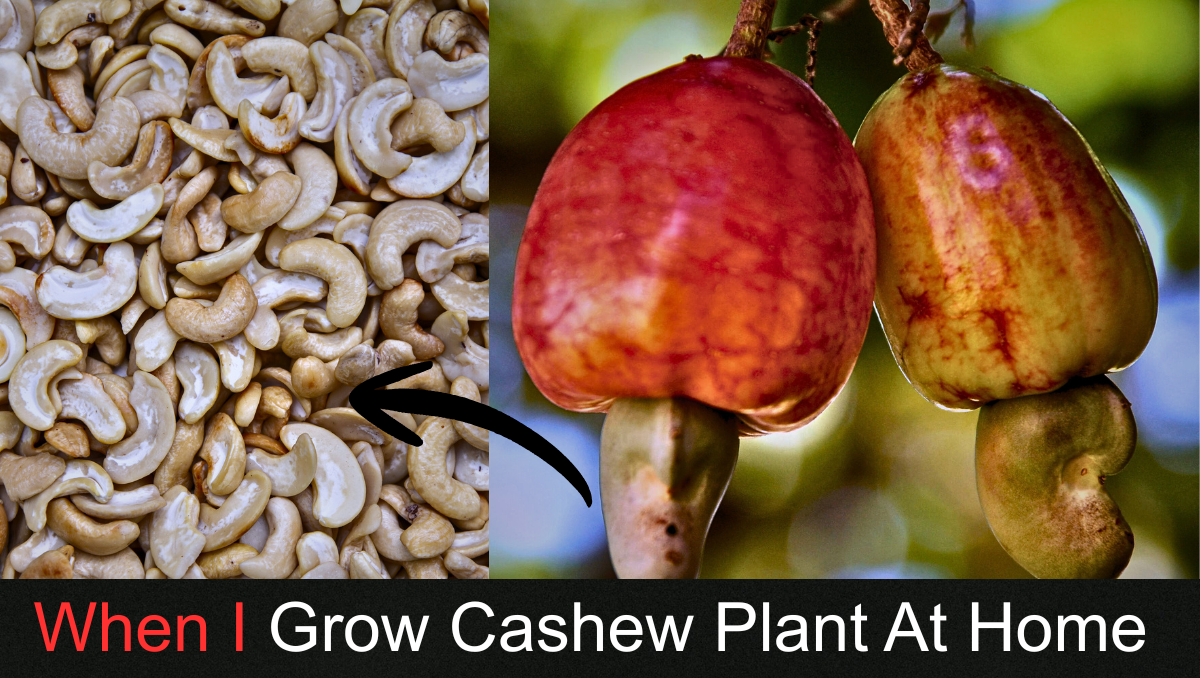
When I Grow Cashew Plant At Home – I See Shocking Result!

When i grow cashew plant at home

The cashew nut is a perennial plant native to northeastern Brazil and southeastern Venezuela in South America, but now it is also grown in many other warm regions such as Asia, India, Africa, and the Southeast. It is a very popular and well-known plant because cashew nuts are a popular item during the winter. Cashew nuts are a popular fruit and are commonly used in jams and jellies, but are more popular in the winter because they are a warming dry fruit. I have also grown a cashew tree in my house and it has grown very well in my house and also bears fruit. Today I will tell you how you can also grow a cashew tree in your house like I have grown in my house. In today’s article, I will tell you the complete method of growing cashew trees, which I have applied and grown cashews at my home. Personal Pro Tips When I grew the cashew plant inside my house, that plant stopped growing inside my house. I just followed the steps that I have told you and my cashew plant has grown very well and very quickly inside the house and I have told you all my personal tips on how you can grow a cashew plant inside your house.I have kept my cashew plant in a good location with light water, good sunlight and has made my cashew plant grow perfectly indoors. How I Grow Cashew Plants (Complete Guide) I have grown a cashew tree very quickly and very well inside my house, and to grow it, I have taken care of some things, which will make it grow very well in my house. Today, we will talk about the same points that I have applied to my tree, which has made my tree grow very quickly and very well at home. I have avoided giving it too much water and I have given it enough water that the soil is moist, and I have also taken care of its lighting, and I have also taken care of it well, and I have also taken care of its food, which has made the cashew tree grow in my house. Also Read: Cactus Key Takeaways There are many major tips for growing cashew plants indoors or outdoors. If you follow these major tips, you can easily grow a beautiful and hearty cashew plant indoors or outdoors. The major tips are as follows: Kind of Cashew Plant Choosing the right variety also helps a lot in growing a cashew tree. If you do not choose the right variety, your cashew tree will not grow in your house. That is why choosing the right variety is very important. Below are the varieties that have been given to you, from which you can choose one according to your circumstances: Dwarf Cashew Varieties Dwarf varieties are a great choice for growing indoors as they are a bit smaller in size but they grow well indoors. They require less maintenance and less light, making them an ideal option for growing indoors.You can also grow them outdoors. Standard (Tall) Cashew Trees This is a traditional variety and can be a little difficult to grow indoors as it requires more care and more space than an outdoor variety. Its production may decrease due to less space at home. Hybrid & High-Yield Varieties This is a very good variety because this variety is specially developed for excellent fruit size, disease resistance and high yield. This variety is a unique variety for indoor growing. If I ever grow cashew trees in my house again, I will choose this variety. How To Grow Cashew Plants In Home To grow a plant anywhere inside or outside the house, you need proper care and space. Below you have been guided step by step about all the things that are very beneficial for growing plants inside and outside the house. Those steps are being followed. Select Fresh, Viable Cashew Seeds I have chosen a good seed to grow a cashew tree in my house because choosing a good seed helps the plant grow a lot. I chose a fresh and unblemished seed, which is a very good option. You too should try to choose fresh and unblemished seeds and avoid roasted or overcooked seeds. Prepare Well-Draining Sandy Soil I have also chosen the soil for growing cashew trees very carefully. Plants always grow in soil that is loose or light. Plants grow with difficulty in hard soil, which reduces their growth. Therefore, try to choose loose or light soil that is nutritious or mix a little sand in your normal soil, which makes it nutritious. Also Read: How To Plants Tulips – Easy Step-by-Step Guide to Grow Beautiful Tulip Flowers at Home Germinate Seeds Properly I soaked the seeds in water for 12 to 14 hours before sowing, which softened the seeds, and soft seeds germinate quickly. When I sowed the cashew seeds, the temperature was 150 degrees Fahrenheit, which is an ideal temperature. You too should soak the seeds in water for 12 to 14 hours before sowing. Provide Proper Sunlight Cashew plants need a lot of sunlight to thrive because this plant likes dry weather and sunlight, so it needs six to eight hours of sunlight every day. You can either place it in an open area where there is plenty of sunlight or you can also place it in a south-facing window. Watering Schedule for Young Plants The best way to water your cashew tree also helps a lot in growing it. So whenever you feel that the top two inches of soil on your cashew tree is dry, moisten the soil by giving it a little water. Cashew trees do not like excess water. Fertilizing for Strong Growth Cashew plants also need food to grow and thrive quickly, so you can give it a light dose of organic fertilizer mixed with water every three to four weeks, which will help your plant grow … Read more

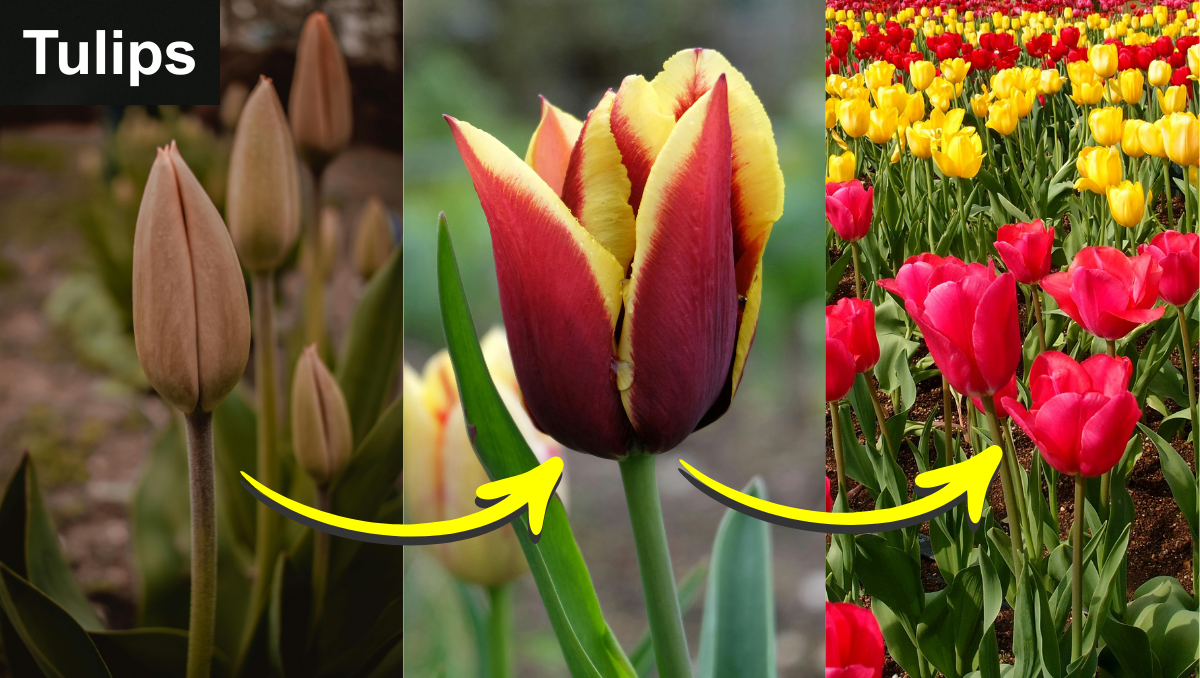
Right Way To Grow Tulips Plant At Indoor – All Tulip Questions Will Be Clear!

Right Way To Grow Tulips Plant At Indoor

Right Way To Grow Tulips Plant At Indoor. Growing tulips seems quite difficult at home, but it is not that difficult. You can grow it inside your home. When I thought of planting it, I also thought that this plant grows very difficult indoors. But it looked so beautiful that I thought of growing it. I planted it inside my home and with a little care, proper light and proper water, it grew very quickly in my home and looks very beautiful in home. Is it possible to grow tulips at home? Yes, you can grow tulips at home. I have grown them indoors and they grow very quickly and well in my house. You just have to take care of their health, light and water, so that they can grow in your house too. This plant looks great in my house. Right Way To Grow Tulips Plant At Indoor (Personal Tips) If I may advise you, you must grow a tulip plant in your home because a tulip plant looks very beautiful when planted in the house and feels good to the heart and also enhances the beauty of the house and it is very easy to grow. You can grow it inside your home with proper care and you can place it anywhere in your house. Also Read: Cucumber What are the 5 points about tulip plant? Below are five points that you can use to grow tulip plants at home: What type of plant is a tulip? Choosing the right varieties for growing tulips indoors is very important. You should know which varieties will grow in your home and which ones will not. I will tell you about the tulips that I have grown in my home. Single Early Tulips I have also grown this variety indoors and it blooms in early spring and has cup-shaped flowers and is very beautiful and easy to grow indoors. Double Early Tulips This is also a very good type of tulip and it grows indoors with extra petals. It is an early blooming variety and it also looks very attractive and beautiful indoors. Triumph Tulips I choose this variety for my home because it is a very good variety and it produces large and colorful flowers that are strong and look very nice and attractive when grown indoors. Darwin Hybrid Tulips This is also a very good variety of tulips and it is very popular because of its long stems. They last from mid to late spring and have a long lifespan and they also present a charming view indoors. Also Read: How to Plant a Peach Seed – Easy Step-by-Step Guide to Grow a Peach Tree Dwarf Tulips (Species Tulips) This type of tulip plant is perfect for small spaces or containers because it requires very little space, so it can be grown indoors with minimal care and it also presents a charming and beautiful view. If you believe me, you can choose Triumph Tulips or Dwarf Tulips and Darwin Hybrid Tulips, it will be a very good choice. What month is the best month to plant tulips? I planted the tulip plant in September and November and it has grown very well so far and my friend also has the same opinion that you should plant it in September or November because they grow very well about three to four weeks before winter. Some varieties of tulips are planted even in the middle of winter, which grow well until the end of winter and present a beautiful and charming view in the house. How to plant a tulip step by step? I have shared the entire method with you below, the way I have grown the tulip plant in my home. How to choose good tulip bulbs? Choosing the right bulb for growing tulips is very important because a right bulb helps a lot in growing the right plant. Always use a bulb that is large and healthy because bulbs that are large in size and healthy produce big and good flowers. Avoid bulbs that are soft, dry or dead. Where is the best place to plant tulips? Choosing the right place to plant tulips is also very important. Tulips always thrive in a place that receives about six to eight hours of sunlight per day because they need sunlight and they grow very well in this place. Do tulip like well drained soil? Tulip plants always grow in soil that is well-drained. I planted the tulip plants in soft, loose soil, in which they grow very well. They need loose, soft soil to grow. Hard soil can hinder the growth of tulip plants. What depth should tulips be planted? To grow the plant, I planted the seed of it about six to seven inches deep in the soil because it needs to be planted that deep. If you plant it too high or too low, it can have trouble growing.If you agree with my opinion, you too should plant your tulips plant seeds six to seven inches deep in the soil. How much water should tulips need? When I planted the tulip plant, I lightly sprinkled the soil to moisten it because the tulip plant dislikes too much water, so I have never watered my tulip plant too much. You should also moisten its soil when it feels dry, but don’t overwater it either. What is the best fertiliser for tulips? I also fed my Tulip plant lightly because it is necessary to fertilize it, it keeps the plant healthy, but be careful to give it a little bit because if you fertilize it too much, your plant can rot. I used to give it a little fertilizer every three to four weeks, which made it grow very well and with beautiful flowers in my house. How to care for tulips in the spring? Take good care of your tulip plant and plant it in a location with balanced light, balanced water, and a good location, … Read more