
Few plants challenge gardening norms like the snake plant. Surviving where others fail, Dracaena trifasciata fits bedrooms, offices, and apartments, thriving under virtually any type of lighting while its dark-green leaves age 25 years effortlessly.
Labeled a succulent, this compact plant naturally stores water in cylindrical leaves, needing only infrequent watering. Its indoor air quality benefits, confirmed by the NASA Clean Air Study, make it a deeply practical home essential.
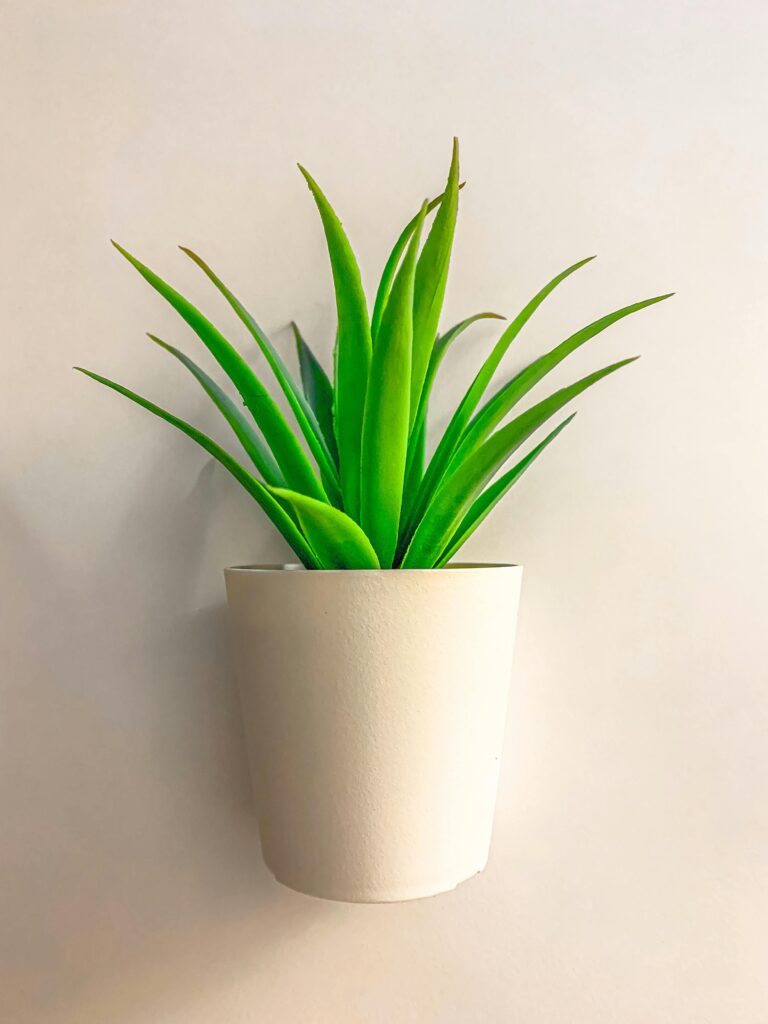
Types of Snake Plant
Few plants surprise quite like Sansevieria. Native to Africa, it offers far more varieties than most beginners ever expect — Laurentii‘s bold green bands and cream leaves contrast sharply against Hahnii‘s compact, easy-care indoor garden form.
Working with mother-in-law’s tongue — a proud asparagus family member — its cultivars surprise you. Some display striking variegation, others stay solid green; leaf patterns mixing yellow and green naturally enhance any living room or office plant.
Also Read: How to Plant a Peach Seed
Light
Snake plants adapt to varying light conditions effortlessly. From a dark corner to east-facing windows, they survive. However, bright indirect light consistently produces stronger leaves and supports balanced growth for healthier, more vibrant plants indoors.
Place near a south-facing window or west-facing window to maximize bright light. In dim spaces, a grow light helps. Avoid direct sunlight — it scorches. North-facing windows suit low-light conditions perfectly, maintaining healthy light intensity year-round.
Watering
Snake plants thrive on minimal watering, a discipline most gardeners widely underestimate. Always wait until the soil dried out completely before watering deeply. During summer, I water once a month; in winter, even less suffices.
Overwatering causes root rot faster than any neglect ever could. Gauge moisture by pressing a finger 1-2 inches into the soil — if damp, pause and revisit after few weeks, avoiding harmful water retention buildup beneath.
Soil
Snake plants demand well-draining soil above all else. Combining cactus compost with horticultural grit or perlite perfectly mimics their arid origin. Skipping good drainage invites root rot — the leading silent killer of these semi-succulent houseplants.
Peat-free compost combined with pumice or succulent compost keeps roots breathing well. I’ve found house plant compost alone retains excessive moisture — worrisome. Fresh soil that mirrors their adaptable nature, nutrient-lean and fast-draining, serves them best.
Fertilizing
Snake plants are slow growers needing very minimal feeding. During summer, apply a diluted fertilizer once monthly. Yellowing leaves signal over-fertilizing. These hardy houseplants thrive with gentle restraint — skipping fertilizer during winter prevents unnecessary stress.
Cactus soil blended with perlite forms the ideal nutrient base for fertilizer absorption. In Indian climates, feed during active growth only. Avoid applying near drainage holes, and never fertilize when potting mix stays consistently damp.
Potting
From personal experience, choosing a terracotta pot over a plastic container makes a real difference for snake plants. Terracotta breathes naturally, drawing excess moisture away from the root ball and preventing rot far more effectively.
Snake plant roots expand aggressively over time and will eventually crack a rigid plastic container. Use a new container filled with well-draining soil, cocopeat, and sandy loam, keeping the mix one inch below the rim.
Propagation
Few gardeners realize rhizomes — not leaf cuttings — drive easiest snake plant propagation. With root division, pull the parent plant free, detach offsets carrying their own roots, and settle each into small pots within 2-3 weeks.
For leaf cuttings, slice a dracaena leaf into 3-inch sections and allow cut ends to callous completely first. Division better suits those who lack patience — especially when growing a less-common cultivar vulnerable to mutation loss.
Also Read: How To Grow Lotus Plants Indoors
Pruning
Pruning is often ignored, yet it shapes new leaf growth and preserves vibrant colors. A sharp knife cuts yellow leaves cleanly at the base of leaves, preventing rot and encouraging a healthier upright form throughout spring.
When mushy roots appear, prune aggressively and water less frequently to restore balance. Trim damaged sections near the rootball, then keep the parent plant in a bright spot to support steady new growth after cutting.
Common Problems
Most snake plant failures trace back to overwatering rather than neglect. When soil stays chronically soggy, roots rot rapidly. A proper drainage hole prevents water from stagnating, protecting health and the appearance of your plant.
Mealybugs and other pests typically attack stressed plants. Damaged leaves invite infestation more readily than healthy foliage. Wiping both front and back of leaves using a damp microfiber cloth removes eggs and early colonies effectively.
Growth Rate & Lifespan
Snake plants typically grow just few inches per year, a slow pace that often surprises even new growers. Their resilience under low light or bright indirect light means lighting conditions rarely stop actively growing plants.
A well-tended snake plant can live 5-10 years indoors, though many enthusiasts report 25 years or more with consistent care. Through propagating newly formed pups and offsets, these plants essentially extend their lifespan across decades.
Choosing a Container
Most growers instinctively default to a plastic container, but a terracotta pot breathes better and resists moisture buildup naturally. Never choose wide shallow pots — they prevent the root ball from establishing any meaningful downward depth.
When a plant turns root-bound, transfer it to new containers that feel snug but not restrictive. Position the crown precisely one inch below rim level, then place a plant saucer underneath to catch drainage efficiently.
Variegation
Variegation is not surface decoration — it’s genetic coding locked within each leaf. Sansevieria trifasciata ‘Laurentii’, the most common species, exhibits grey-green variegation layered with horizontal stripes beneath a distinct creamy-yellow border that never fades indoors.
Twisted Sister produces twisting leaves with vivid yellow edges, sharply contrasting Sansevieria trifasciata ‘Hahnii’ — a compact bird’s nest form at 20cm tall. Sansevieria cylindrica, the African spear, pushes smooth, upright leaves dramatically toward 70cm tall.
Flowering
In my experience, snake plants flowering indoors is almost entirely accidental. Blooming typically signals mild stress — often root-bound conditions. Placing one near bright indirect sunlight consistently seems to coax out these fragrant cream-white clusters eventually.
The flower stalk emerges from the base, shooting upward like a spear during warmer summer months. Blooms are small, tubular, heavily scented — especially at night. Most growers in Indian households never witness this once-in-a-decade event.
Air Purification Benefits
Most people overlook how snake plants filter benzene, formaldehyde, and xylene simultaneously. Unlike passive greenery, this plant converts CO2 into oxygen nightly, creating therapeutic air quality particularly valuable within bedroom settings across fast-paced city life.
Few plants match the snake plant’s proven air-cleaning capacity, actively trapping allergens and dust while releasing oxygen at night — a quality directly supporting better sleep in modern Indian homes and requiring minimal low maintenance care.
Vastu
In Vastu Shastra, snake plants hold a revered position in Indian homes, believed to attract positive energy when placed near east-facing windows. Their air-purifying properties enhance oxygen levels, supporting mental clarity and restful sleep naturally.
Vastu practitioners in Indian conditions recommend placing snake plants in north or east corners, never directly blocking a south-facing wall. Their sculptural leaves and balanced growth maintain positive vibrations in any low-light spot at home.
Also Read: Aloe Vera Plant Care: An Easy Care Succulent Houseplant
Conclusion
Snake plants genuinely thrive for 5-10 years, even decades, when grown in fast-draining soil suited for semi-succulents, repotted into a slightly larger pot every 2-3 years, and consistently kept free from mealybugs and spider mites.From Vastu principles to Feng Shui placement, snake plants deliver positive energy through their upright form and sculptural leaves. Their ability to filter benzene, formaldehyde, and xylene indoors makes them a smart, health-conscious home choice.
Can Snake Plants Grow In Low Light?
Snake plants genuinely thrive in lower light, tolerating even a dark corner or deep shade quite effortlessly. Unlike most houseplants, they adapt well to partial shade and north-facing windows, making them wonderfully versatile indoor growers.
What Are The Most Common Snake Plant Problems?
Snake plants are resilient, but overwatering remains the top issue, causing root rot. Yellowing leaves, brown tips, and mushy roots signal trouble. Mealybugs and fungus gnats occasionally appear in overly moist, poorly drained soil conditions.
What’s The Best Place To Put A Snake Plant In Your Home?
The best spot for a snake plant is near a bright window, though it adapts well to lower light areas. I’ve kept mine in north-facing corners, dim hallways, and shaded shelves with consistent, reliable success.
How Long Do Snake Plants Live?
Snake plants are impressively long-lived houseplants, easily thriving for twenty to twenty-five years with minimal care. Given proper drainage and indirect light, a healthy, well-maintained snake plant can outlast most indoor greenery you’ll ever own.
How Often Should I Water My Snake Plant?
Water your snake plant only when the top two inches of soil feel completely dry. In summer, every two weeks; in winter, once monthly. Overwatering causes root rot far more often than underwatering ever does.
1 thought on “How To Grow Snake Plant At Home – The Easiest Indoor Plant Anyone Can Grow!”